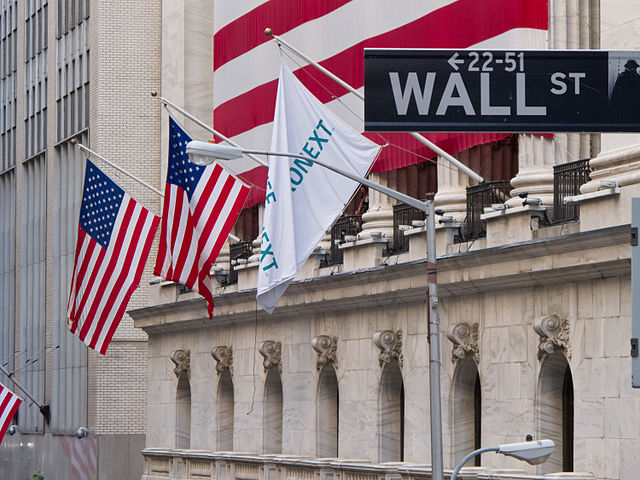
U.S. stock index futures edged lower Thursday evening after a sharp sell-off in technology stocks dragged Wall Street into steep losses, while investors turned their attention to upcoming consumer price index (CPI) inflation data for further direction. Market sentiment remained fragile amid concerns over artificial intelligence disruptions, weaker corporate earnings, and uncertainty surrounding Federal Reserve interest rate policy.
S&P 500 Futures declined 0.1% to 6,845.75 points, while Nasdaq 100 Futures also slipped 0.1% to 24,741.0 points. Dow Jones Futures traded slightly lower at 49,506.0 points as of 19:57 ET (00:57 GMT). The cautious tone followed a broad downturn during the regular trading session, led by heavy losses in technology shares.
On Thursday, the S&P 500 dropped 1.6% to close at 6,832.75 points, while the Nasdaq Composite fell 2% to 22,597.15 points. The Dow Jones Industrial Average slid 1.3% to 49,451.88 points. Technology stocks were at the center of the sell-off, with Cisco Systems plunging 12% after reporting weaker-than-expected earnings. The decline weighed on other major tech companies, including members of the “Magnificent Seven,” which fell between 0.6% and 3%.
Investor concerns also intensified following reports that AI firm Algorhythm Holdings introduced a new logistics optimization tool that could significantly reduce inefficiencies in freight and transportation. While Algorhythm shares surged nearly 30%, trucking and logistics stocks sold off sharply amid fears of reduced demand.
Markets are now closely watching January CPI data, which is expected to show a slight cooling in both headline and core inflation. However, inflation has exceeded expectations in January for the past four years, raising concerns of another upside surprise. Stronger-than-expected nonfarm payrolls data earlier this week reinforced expectations that the Federal Reserve may delay interest rate cuts. According to CME FedWatch data, traders are largely pricing in no rate cuts in March or April, adding further pressure on U.S. equity markets.