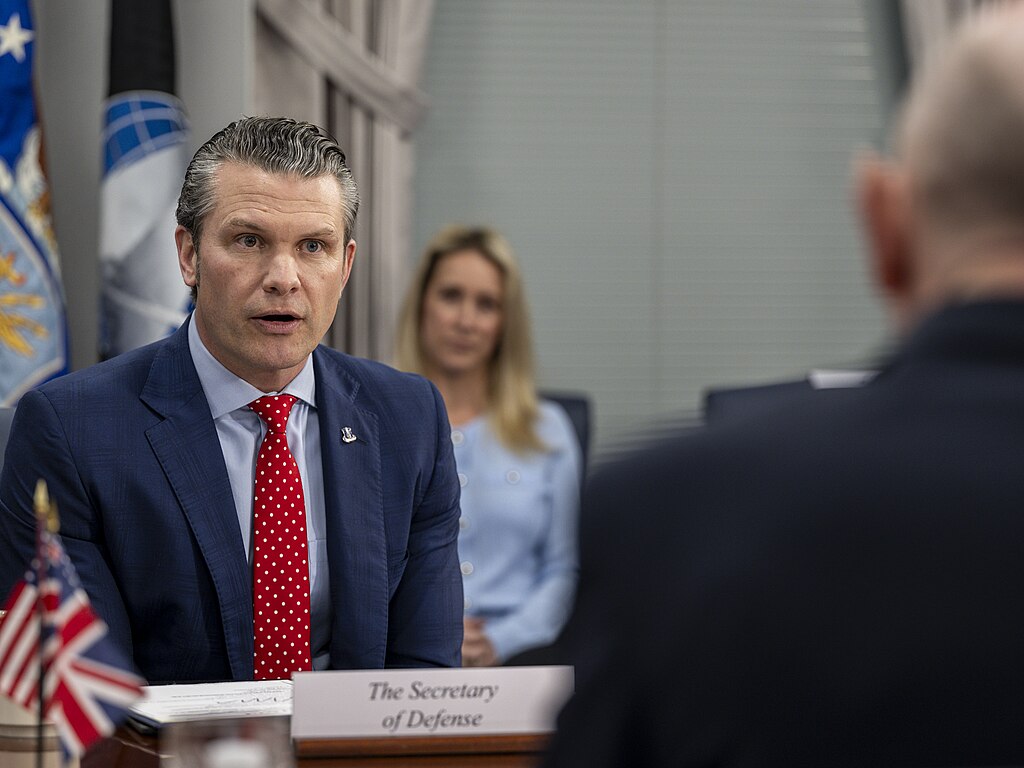
U.S. Defense Secretary Pete Hegseth declared Sunday that American military strikes on Iranian nuclear sites were a “bold and overwhelming success,” stating the mission effectively destroyed Tehran’s nuclear capabilities. The military operation, dubbed "Operation Midnight," was one of the largest in recent history and marked a significant escalation in U.S.-Iran tensions.
According to Hegseth, the strike involved 14 bunker-buster bombs, more than 24 Tomahawk cruise missiles, and over 125 aircraft. The U.S. targeted nuclear infrastructure only, not Iranian personnel or civilians, he emphasized during a Pentagon briefing.
"Iran’s nuclear ambitions have been obliterated," Hegseth said, praising President Trump’s leadership and the military’s precision. “This was a bold and brilliant plan, a message to the world that American deterrence is back.”
General Dan Caine, overseeing the operation, confirmed that “Operation Midnight” was strategically executed to neutralize Iran’s underground nuclear facilities without escalating into direct conflict with Iranian forces.
The strikes come amid a volatile regional backdrop, with ongoing wars in Gaza and Lebanon and continued unrest in Syria. The attack raises fears of a broader conflict across the Middle East, already strained by more than 20 months of sustained violence.
While the full international response remains to be seen, early reports suggest increased military alertness across the region and warnings from Iranian officials of potential retaliation.
As geopolitical tensions spike, global markets and security analysts are closely watching for further developments. The Pentagon’s show of force could redefine strategic dynamics in the Middle East and impact ongoing diplomatic efforts involving Iran’s nuclear program. The Biden administration has yet to comment officially on the long-term implications of the strike.