


 Philippines Holds Historic Bangsamoro Election Amid Tight Security
  US Confirms Weapons in Orbit as Space Tensions Rise
  Honduras Court Drops Charges Against Ex-President Juan Orlando Hernandez
  Texas Republicans Turn Against AI Data Centers as Election Backlash Grows
  U.S. Imposes New Visa Restrictions Over South Africa Policies
  OpenAI Rejects Apple Trade Secret Theft Claims
  US Immigration Arrests Surge as Deportations Lag Behind
  Saudi Arabia Shuts East-West Oil Pipeline After Drone Attack
  New Zealand Labour Backs Social Media Ban for Under-16s
  DOJ Will Investigate AI-Related Crimes, Attorney General Blanche Says
  US Resumes Immigrant Visa Processing for Hungary, Poland
  New Zealand Moves to Ban Social Media for Children Under 16
  UN Chief Raises Concern Over US Sanctions on ICC Officials
  US Bans Canadian Alcohol, Motorcycles as Trade War Escalates
  Brazil Warns EU of Retaliation Over Animal Products Ban
  France Targets Shein, Temu With Fast-Fashion Fees
  Mahmoud Khalil Sues Columbia Over Alleged Pro-Palestinian Harassment


 Add as a preferred source on Google
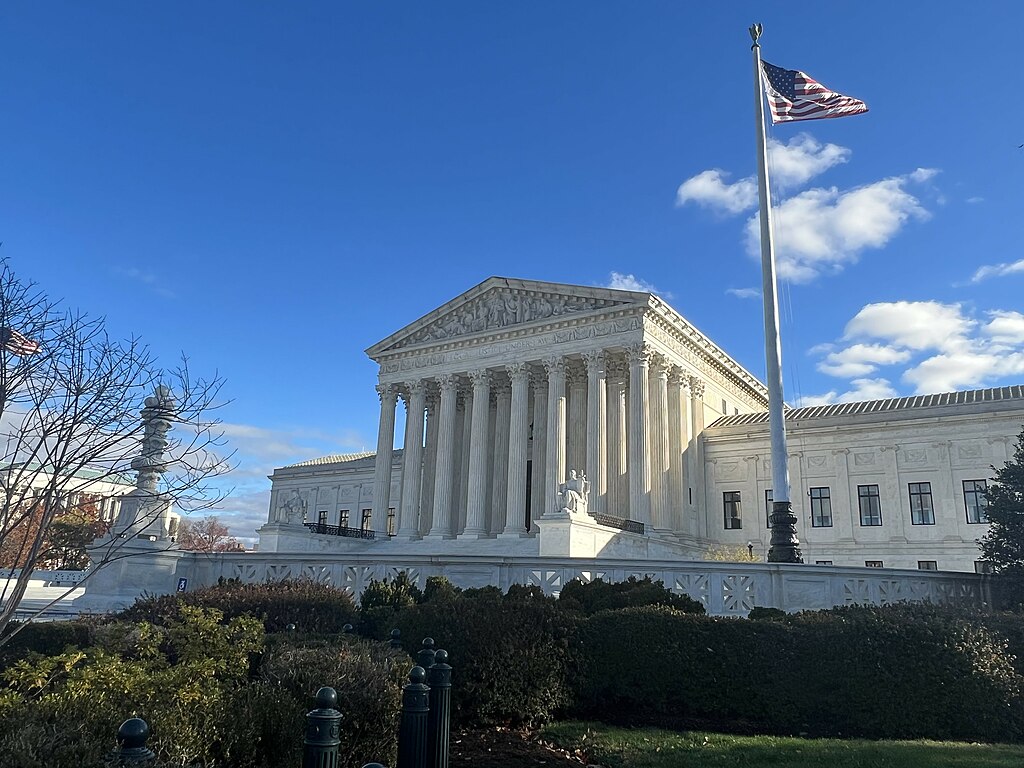
The U.S. Supreme Court has ruled that a Hawaii law restricting licensed handgun owners from carrying firearms on private property open to the public without the owner's explicit permission violates the Second Amendment. The 6-3 decision, led by the court's conservative majority, marks another significant expansion of gun rights in the United States and could affect similar firearm laws in several other states.
Justice Samuel Alito, writing for the majority, said Hawaii's law unfairly limited the constitutional right of Americans to carry firearms for self-defense during everyday activities. The ruling overturns a lower court decision that had previously upheld the law and was supported before the Supreme Court by the Trump administration.
The legal challenge was filed by three Hawaii residents with concealed-carry permits and a Honolulu-based gun rights organization after Governor Josh Green signed the measure into law in 2023. The law required gun owners to receive express authorization before bringing a handgun onto private businesses or other privately owned locations accessible to the public.
The court's three liberal justices dissented. Justice Ketanji Brown Jackson argued that the majority had stretched previous Supreme Court rulings beyond their intended scope, claiming the decision places firearm access above legislative authority. Justice Sonia Sotomayor joined her dissent.
Gun control advocates also criticized the ruling. Giffords Law Center stated that Hawaii's law respected the rights of private property owners to determine whether firearms should be allowed on their premises. However, the group noted that property owners may still have legal options to prohibit guns on their property.
Hawaii officials expressed disappointment but pledged to continue pursuing firearm regulations that comply with the Constitution while prioritizing public safety.
The Supreme Court's decision builds on its landmark 2022 ruling in New York State Rifle & Pistol Association v. Bruen, which expanded the right to carry handguns outside the home for self-defense and established that firearm restrictions must align with the nation's historical tradition of gun regulation. The court did not address separate challenges involving Hawaii's restrictions on carrying firearms in locations such as beaches, bars, and other designated sensitive places.







