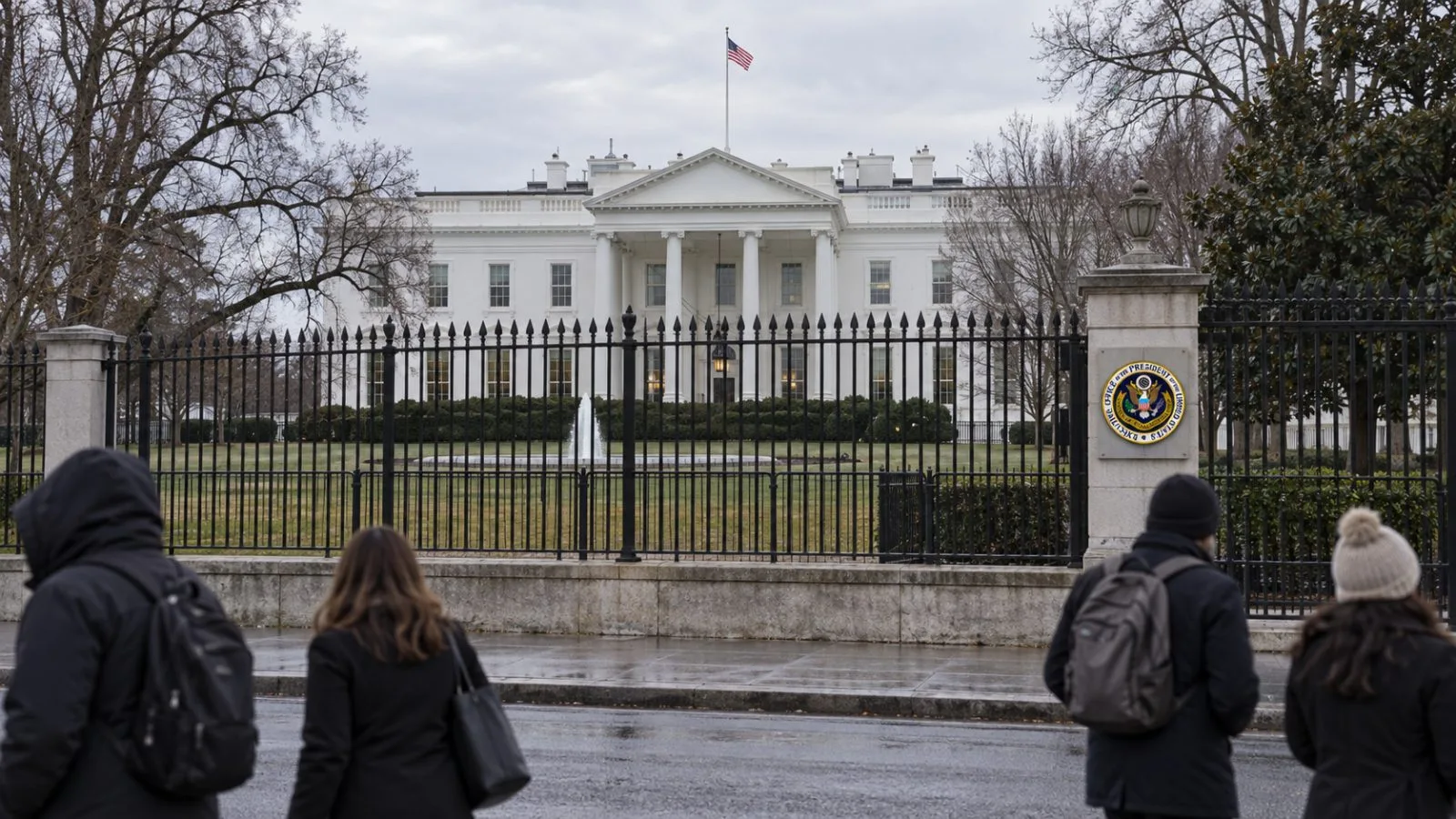
The United States is increasing pressure on Iran during ongoing negotiations, with the White House stating that Tehran must agree to transfer its enriched uranium to the U.S. as part of efforts to maintain stability and end the conflict. White House press secretary Karoline Leavitt shared this position during an interview on Fox News, highlighting that the demand is a key component of broader diplomatic discussions.
Leavitt explained that President Donald Trump’s administration has not set a specific deadline for extending the current ceasefire with Iran. Instead, the administration is focused on coordinating a unified response before making further decisions. This measured approach reflects the complexity of the situation and the importance of aligning national security priorities with diplomatic efforts.
The statement follows President Trump’s recent move to extend the ceasefire between the United States and Iran. The extension signals a willingness to continue dialogue while maintaining pressure on Tehran to meet certain conditions, particularly regarding its nuclear program. The issue of enriched uranium remains central, as it plays a significant role in global concerns over nuclear weapons development and regional security.
Leavitt also noted that President Trump is satisfied with the existing U.S. blockade, which continues to limit Iran’s economic and strategic capabilities. The blockade, combined with diplomatic negotiations, is intended to push Iran toward compliance with international expectations and reduce the risk of escalation.
Requiring Iran to transfer enriched uranium is expected to be a challenging demand, as it directly affects the country’s nuclear capabilities and sovereignty. However, U.S. officials argue that such measures are necessary to ensure long-term peace and prevent further tensions.
As discussions move forward, the outcome of these negotiations could have major implications for global security, energy markets, and international relations. Observers are closely watching how both sides will respond to these high-stakes demands.