The United States has urged South Korea to support efforts to curb China’s growing dominance, particularly in the shipbuilding industry, during ongoing trade discussions, a senior Seoul official said Friday.
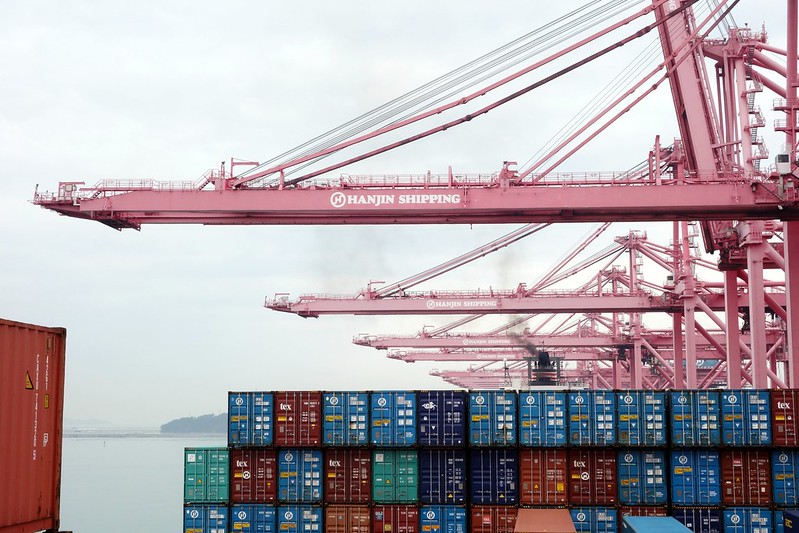
According to Chang Sung-gil, Trade Policy Director at South Korea’s Trade Ministry, Washington is making South Korea’s cooperation on broader China-related trade measures a precondition for joint initiatives in shipbuilding. Speaking at a policy forum, Chang noted, “The U.S. views Korea as a strategic partner due to China’s increasing market share in shipbuilding.”
While shipbuilding cooperation is a key focus, the U.S. has also been reluctant to reduce or remove existing tariffs on critical Korean exports like automobiles and steel. Chang revealed that the U.S. wants Seoul to increase investment in American industries and import more U.S. energy and agricultural goods in exchange for negotiating reciprocal 25% tariffs.
However, expanding agricultural imports remains a politically sensitive issue in South Korea. “There’s considerable domestic resistance to opening up further on agriculture,” Chang said, signaling challenges ahead in balancing diplomatic ties with domestic concerns.
The push comes amid rising global competition and U.S. efforts to restructure supply chains away from China, reinforcing Seoul’s role as a pivotal trade and security partner. As both nations weigh mutual interests in industrial policy and market access, the outcome of these talks could reshape trade dynamics in shipbuilding and beyond.
This development highlights escalating U.S.-China economic tensions and underscores Washington’s strategy of leveraging alliances to counter Beijing’s global influence, with South Korea caught in the middle of a complex geopolitical and trade balancing act.