Top U.S. officials have condemned China’s expanded rare earth export controls, warning that the move poses a serious threat to global supply chains and could force Washington to respond with stronger trade measures. U.S. Trade Representative Jamieson Greer described China’s new export restrictions as a “global supply-chain power grab,” emphasizing that the United States and its allies will not tolerate such actions. Treasury Secretary Scott Bessent added that while Washington hopes to avoid escalation, it will act if China proves to be an unreliable supplier.
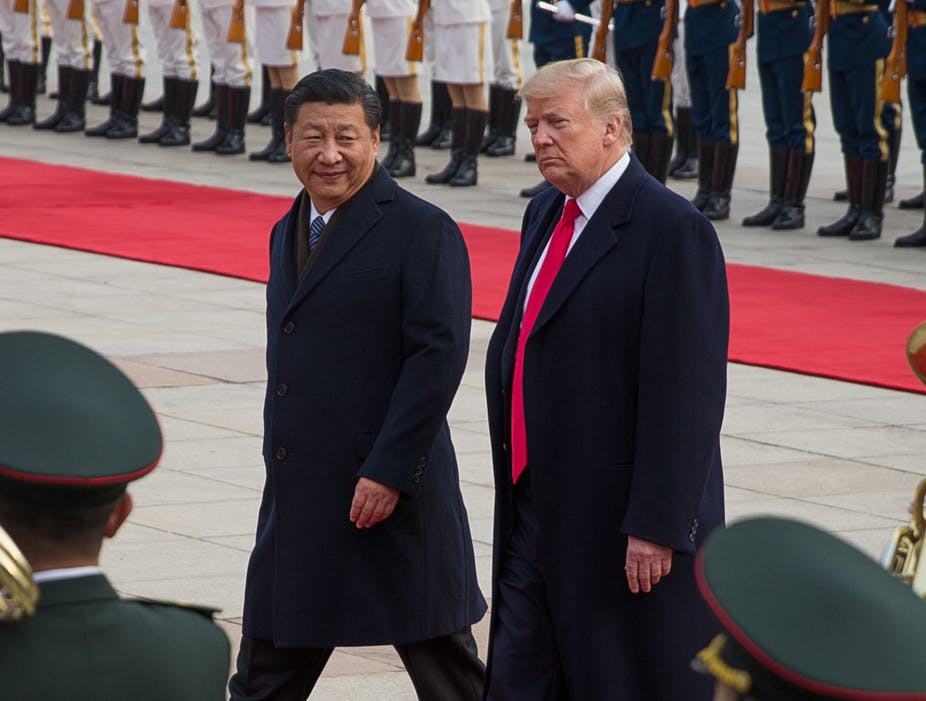
Despite tensions, President Donald Trump still plans to meet Chinese President Xi Jinping later this month in South Korea, according to Bessent. He noted that China has not yet implemented its new rare earth regulations, and the U.S. has similarly held off on imposing a proposed 100% tariff increase. Greer expressed optimism that both sides could still roll back to previously agreed trade conditions.
The rare earth dispute follows the introduction of reciprocal port fees by both nations, escalating their ongoing trade war. The conflict overshadowed the International Monetary Fund and World Bank meetings in Washington, where global leaders voiced concerns over China’s export curbs. Japan’s Finance Minister Katsunobu Kato urged G7 nations to respond firmly, warning that retaliatory measures could unsettle global markets.
Bessent revealed that U.S. and Chinese officials are coordinating to finalize details for the upcoming Trump-Xi meeting. He warned that if Beijing continues to restrict rare earth exports or support Russia’s war efforts, the U.S. may respond with additional tariffs and export controls. While expressing hope for de-escalation, Bessent reiterated that the U.S. will protect its economic and national security interests if China continues to “weaponize” its trade policies.