


 Trump Calls for Zelenskyy Replacement Amid Russian Diesel Deal
  Trump Announces Russia-Ukraine Energy Ceasefire Amid U.S. Pressure on Kyiv
  Panama Declares Emergency After 7.7 Earthquake Triggers 200 Aftershocks
  US Charges Maduro and Wife With Torture Conspiracy
  Zelenskiy Offers Russia Energy Truce Amid Trump Pressure
  Brazil Election: Lula and Bolsonaro Rally Ahead of October 25 Runoff
  Djibouti Migrant Boat Capsizes, Killing 139 and Leaving 84 Missing
  Yandex Data Center Hit by Drone Strike as Russia-Ukraine Cyber Infrastructure Attacks Escalate
  UK Finance Minister Healey Calls for Fiscal Discipline Amid Global Risks
  Trump Sanctions International Criminal Court, Sparking EU Backlash
  Russian Strikes Kill Six in Ukraine, Including Three in Kharkiv
  Trump Buys Up to $25M in Meta Stock, Invests in SpaceX Debt
  US, EU Push for Action Against Asia’s Excess Factory Capacity
  Ripple Chairman Chris Larsen Donates $22.5 Million Ahead of US Midterms
  Flydubai Co-Pilot Planned Suicide Attack on Israel Airport, UAE Says
  JD Vance Questions Pentagon Plan to Livestream Fort Hood Shooter’s Execution


 Add as a preferred source on Google
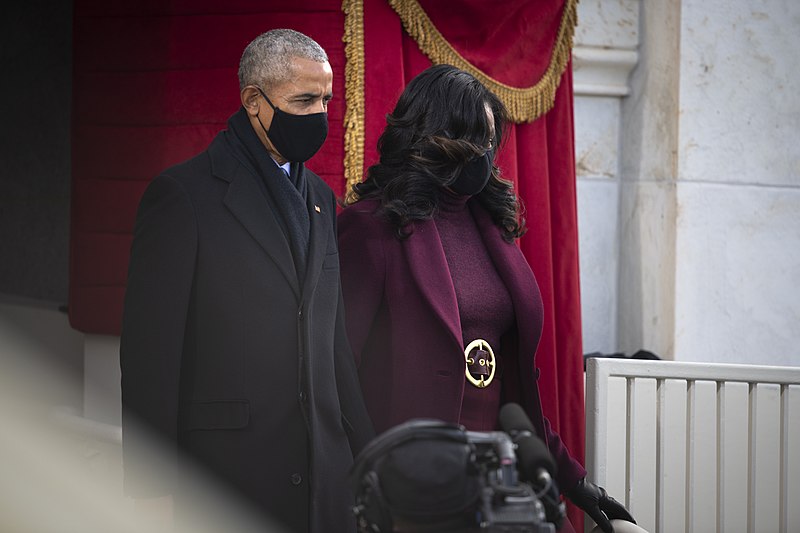
This week, former US President Barack Obama and former first lady Michelle Obama returned to the White House for the unveiling of their presidential portraits. The unveiling of the portraits marks another return to tradition as the custom of unveiling a predecessor’s portrait briefly stopped during Obama’s immediate successor’s administration.
The Obamas returned to the White House Wednesday for the unveiling of their presidential portraits in an event hosted by President Joe Biden, who served as Obama’s vice president for two terms. The unveiling of the portraits also comes more than five years since Obama left office in 2017.
“There are few people I have known with more integrity, more decency, and more courage than Barack Obama,” said Biden. “Nothing could have prepared me more for being president of the United States than being by your side for eight years.”
Artist Robert McCurdy painted a photorealistic portrait of the former Democratic president, while artist Sharon Sprung painted the former first lady’s portrait. The presidential portraits are hung in the rooms and walls of the White House.
The unveiling is also another tradition among presidents, with the current president hosting an unveiling of the presidential portraits of their predecessor. However, Obama’s portrait unveiling did not take place during his successor Donald Trump’s time in office.
“Thanks to your decency and thanks to your strength, maybe most of all thanks to your faith in our democracy and the American people, the country’s better off than when you took office and we should all be deeply grateful to you for that,” said Obama to Biden.
On the same day, Senate Majority Leader Chuck Schumer said the temporary funding to keep the government running past the current fiscal year that ends on September 30 may be extended until mid-December.
Schumer told reporters that he plans to attach a permitting reform bill that would aid the country’s energy industry to the stopgap funding legislation.
However, some Senate Republicans are hoping to hold out until next year on finishing the 2023 fiscal year spending in the hopes that the GOP reclaims the majority at least in the House following the midterm elections in November.







