


 Trump Warns Houthis Over Attacks, Considers Erdogan Intervention
  US Supreme Court Denies Release of Anti-ICE Activist Kyle Wagner
  Most Americans Oppose Election Betting on Prediction Markets, Poll Finds
  Zelenskiy Seeks New US Talks to Revive Ukraine-Russia Peace Negotiations
  European Auto Stocks Rise as EU-China Trade Deal Targets Hybrid Imports
  Trump Defends Russian Diesel Deal Amid US Sanctions Backlash
  Trump Denies Russia and China Are Helping Iran in U.S. Conflict
  Flavio Bolsonaro Backs Brazil’s 40-Hour Workweek Reform Ahead of Runoff
  MI5 Warns of Rising Iran, Russia Threats and AI Bioweapon Risks
  India Voter List Protests Reach Supreme Court as Opposition Demands Election Chief's Resignation
  Pakistan Declares Emergency in Khyber Pakhtunkhwa, Suspends Imran Khan’s PTI Government
  Elon Musk Donates $366 Million to 2026 US Midterms
  Trump Announces Russia-Ukraine Energy Ceasefire as Zelenskiy Awaits Details
  Mahmoud Abbas Postpones Palestinian Elections to September 2027
  Panama Declares Emergency After 7.7 Earthquake Triggers 200 Aftershocks
  Trump Sanctions International Criminal Court, Sparking EU Backlash
  Greenland Lawmakers Back Trump Security Deal Despite Economic Concerns


 Add as a preferred source on Google
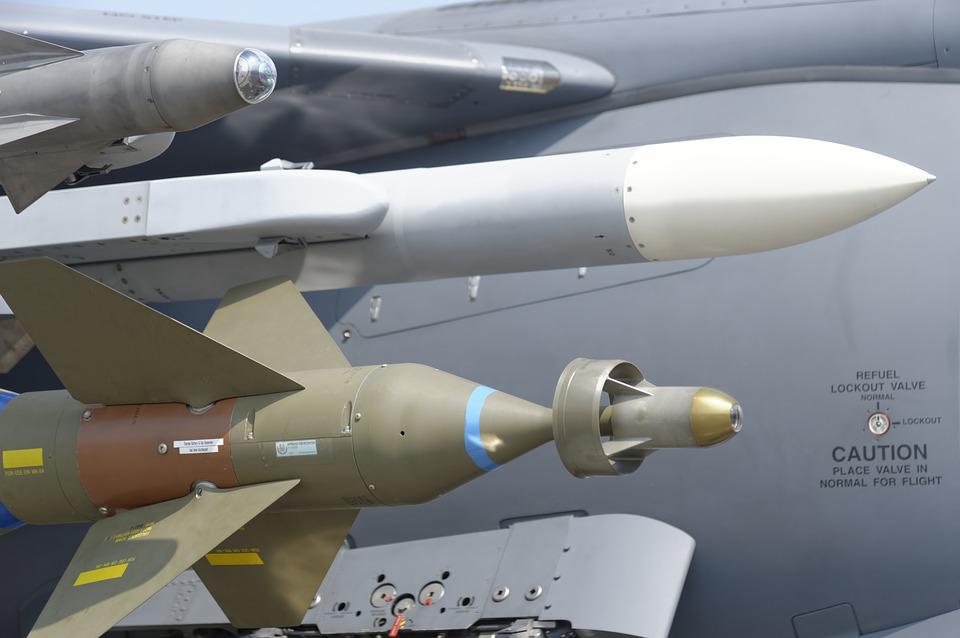
The United States announced last week that it had approved the potential $1.1 billion sale of arms to Taiwan. The arms sale comes amidst tensions between the US and China over the island nation.
The Pentagon’s Defense Security Cooperation Agency announced the details of the possible sale Friday last week. The $1.1 billion arms package to Taiwan includes 60 anti-ship missiles, 100 air-to-air missiles, and contractor logistics support for a surveillance radar program. The US State Department approved the sale.
Even as the State Department has approved the potential sale, Congress may still disapprove. However, Taiwan has strong bipartisan support from lawmakers of both parties which would make disapproval unlikely.
The State Department spokesperson said the package was important for the security of Taiwan.
“These proposed sales are routine cases to support Taiwan’s continuing efforts to modernize its armed forces and to maintain a credible defensive capability,” said the spokesperson.
The Pentagon’s announcement comes amidst strained relations with China over Taiwan. China claims Taiwan as its territory including the Taiwan Strait. Beijing called for Washington to revoke the sale.
To note, the US is legally bound to provide arms to the island nation, with President Joe Biden previously saying that Washington would respond with force should Taiwan be attacked.
Taiwan’s defense ministry thanked the US, saying that China’s latest provocations posed a serious threat and the arms sale would help the democratically-governed island nation to counter China’s military pressure campaign.
Tensions over the island nation flared following the visit of US House Speaker Nancy Pelosi to Taiwan, defying China’s threats to the US not to go.
Last week, Taiwanese premier Su Tseng-chang said the island’s decision to shoot down a drone off the Chinese coast that flew over a Taiwan-controlled island was the appropriate response.
The Taiwanese military shot down what would be the first unidentified civilian drone that entered its airspace through the Kinmen Islands which it controls.
Speaking to reporters Friday, Su said Taiwan repeatedly issued warnings and asked not to make an incursion on its airspace. Su added that China should exercise restraint.
“We will never provoke, and we will do the most appropriate thing to protect our land and our people,” said Su.







