


 UN Allows Mahmoud Abbas Video Address After US Visa Denial
  US Bans Canadian Alcohol, Motorcycles as Trade War Escalates
  U.S. Issues Cuba Health Alert as Illnesses Rise
  US Officials Meet Houthis in Oman Amid Yemen Offensive
  Synthetic data could ease people’s concerns about privacy breaches. But who gets to create it?
  US Judge Dismisses Imran Ahmed Deportation Lawsuit
  Google Changes EU Spam Policy Amid Antitrust Scrutiny
  Trump Hopes Iran War Nears End as Yemen Fighting Escalates
  FAA Allows Boeing to Sell 35 More 777F Freighters Beyond 2028
  Trump Grants Clemency to Jay-Z Associate Emory Jones
  Who should own the knowledge that underpins AI technology?
  US Immigration Arrests Surge as Deportations Lag Behind
  FDA Names Permanent Drug and Biologics Center Chiefs
  Trump Says US Army Base in Poland Talks Make Progress
  Iran Economic Crisis Forces Afghan Families to Return Home
  Pentagon Restarts Testosterone Testing for US Troops
  Trump Eyes End to Iran War, Plans Gulf Leaders Meeting


 Add as a preferred source on Google
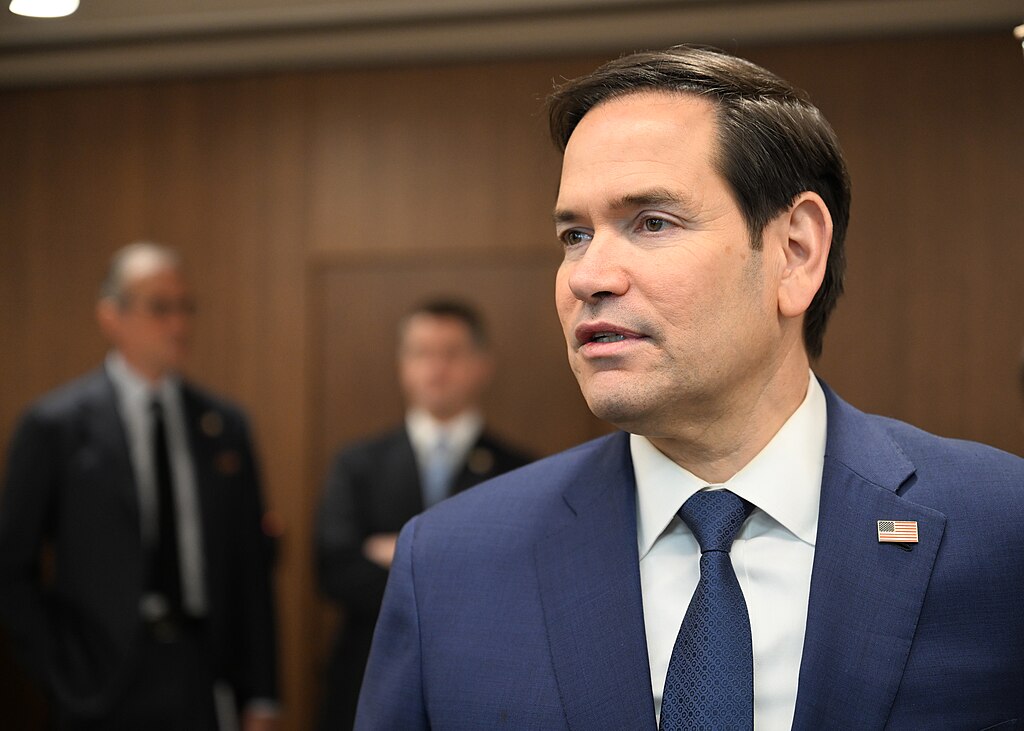
U.S. Secretary of State Marco Rubio announced Wednesday that the United States will begin revoking visas of Chinese students, particularly those linked to the Chinese Communist Party (CCP) or studying in sensitive academic fields. This move is part of President Donald Trump’s administration’s broader hardline immigration strategy, which includes expanded deportations and stricter visa policies.
Rubio stated the U.S. State Department will collaborate with the Department of Homeland Security to aggressively review and revoke student visas. In addition, the visa application process for Chinese and Hong Kong nationals will undergo more rigorous scrutiny moving forward.
The Chinese Embassy in Washington has not yet issued a response.
This latest policy development reflects heightened U.S.-China tensions, extending beyond immigration to trade, technology, and national security. China remains at the center of Trump's global trade war, which has disrupted supply chains, shaken global markets, and fueled fears of an economic downturn.
The number of Chinese international students in the U.S. has already seen a sharp decline—from around 370,000 in 2019 to approximately 277,000 in 2024. Analysts attribute this drop to deteriorating U.S.-China relations and intensified American scrutiny of Chinese nationals in academia.
Additionally, Reuters reported Tuesday that the State Department has suspended new visa appointments for all international student and exchange visitor applicants, signaling a broader immigration clampdown. The Trump administration has also expanded social media vetting and is taking steps to ramp up deportations.
These actions are expected to further strain educational and diplomatic ties between the two global superpowers and may significantly impact U.S. universities that have historically relied on Chinese students for enrollment and revenue.







