


 US Recalls Nicaragua Envoy After Ambassador Rejection
  US Condemns China Sanctions on Taiwan Allies Belize and Paraguay
  NATO Commander Warns Russia of Devastating Response to Attack
  Trump Denies China, Russia Are Helping Iran in War
  Jordan Bardella Antisemitism Allegations Threaten Le Pen’s Campaign
  India Voter List Protests Reach Supreme Court as Opposition Demands Election Chief's Resignation
  Flavio Bolsonaro Backs Brazil’s 40-Hour Workweek Reform Ahead of Runoff
  Mahmoud Abbas Postpones Palestinian Elections to September 2027
  North Korea Fires Ballistic Missiles as Tensions With South Korea Escalate
  Most Americans Oppose Election Betting on Prediction Markets, Poll Finds
  US Supreme Court Denies Release of Anti-ICE Activist Kyle Wagner
  Djibouti Migrant Boat Capsizes, Killing 139 and Leaving 84 Missing
  Zelenskiy Seeks New US Talks to Revive Ukraine-Russia Peace Negotiations
  Trump Warns Houthis Over Attacks, Considers Erdogan Intervention
  Trump Announces Russia-Ukraine Energy Ceasefire as Zelenskiy Awaits Details
  US Senate Midterms 2026: Key Races That Could Flip Control
  MI5 Warns of Rising Iran, Russia Threats and AI Bioweapon Risks


 Add as a preferred source on Google
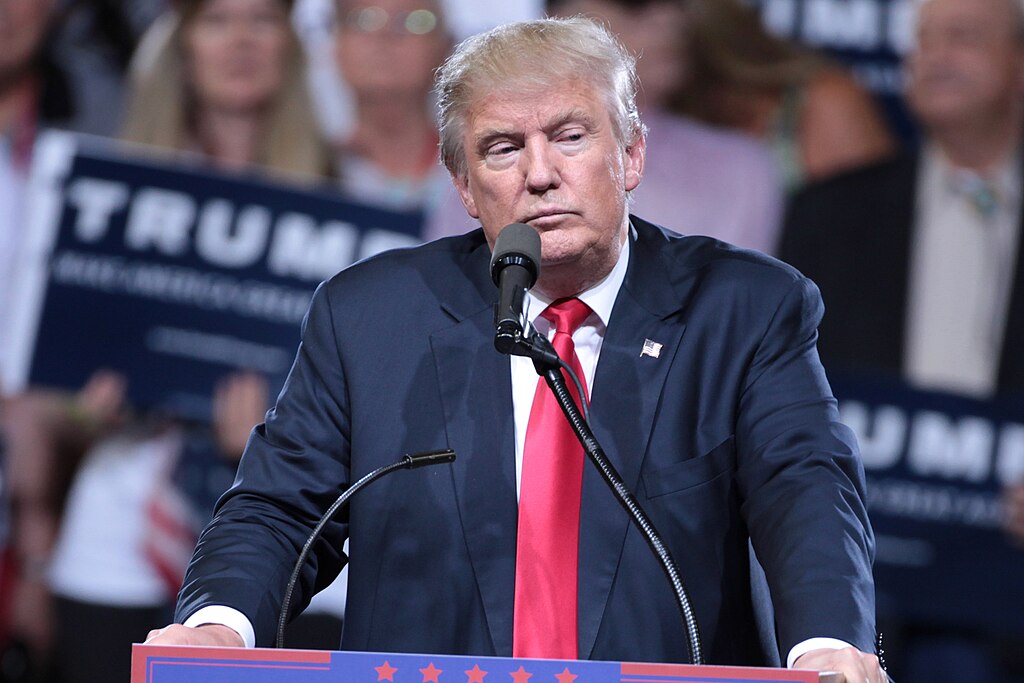
As the 2024 presidential election nears, recent polls reveal a highly competitive race between former President Donald Trump and Vice President Kamala Harris. According to a Rasmussen Reports survey conducted from September 12 to 18, Trump currently holds a slight lead over Harris, garnering 49% of the vote compared to Harris’ 47%. Notably, 2% of voters indicated they would back another candidate, while 3% remain undecided, highlighting the pivotal role that swing voters may play in determining the outcome of this closely fought race.
The narrow gap between Trump and Harris underscores the continued polarization in the electorate. Trump’s appeal remains strong among key voter blocs, particularly male voters, veterans, and those without a college degree. These groups were instrumental in his 2016 and 2020 campaigns, and their support remains crucial to his chances of reclaiming the White House in 2024. Harris, meanwhile, continues to lead among women, younger voters, and college-educated individuals, reflecting a familiar demographic divide that has characterized recent U.S. elections.
Further complicating the landscape is the significant support Harris retains among Black, Hispanic, and Asian voters, key constituencies for the Democratic Party. Polls, such as a recent Pew Research survey, show that Harris holds substantial backing within these communities. The vice president’s candidacy is particularly resonant among Black voters, who overwhelmingly supported Joe Biden in 2020. Harris’ ability to maintain and expand that support will be crucial to her path to victory, particularly in swing states with large minority populations.
The tight polling results emphasize the importance of swing states in the 2024 election. States like Pennsylvania, Michigan, and Wisconsin, which played a decisive role in the 2016 and 2020 elections, are once again expected to be battlegrounds that could tilt the outcome. With the race so close, even minor shifts in voter turnout or preferences in these key states could determine whether Trump returns to the Oval Office or Harris ascends as the first female president.
Undecided voters, who account for 3% of those surveyed in the Rasmussen poll, are another critical factor in this election. Both campaigns will be working hard in the coming months to court these voters, knowing that their decisions could tip the scales in such a tightly contested race. With high levels of polarization and voter engagement, those who remain undecided may prove to be the deciding factor in what promises to be one of the most competitive elections in recent history.
As the 2024 election draws closer, both Trump and Harris will need to focus on energizing their respective bases while also reaching out to undecided voters and moderates in key swing states. The narrow polling margins suggest that every vote will count, and the final outcome remains highly uncertain.
EconoTimes cannot independently verify the polling data or specific voter demographics mentioned in this report. Polling results are based on publicly available surveys, including those from Rasmussen Reports and Pew Research, and are subject to change as the election approaches.







