


 Gold Prices Rebound as Dollar Weakens Ahead of US Inflation Data
  Fed’s Williams Sees One More Rate Hike in 2026, None in 2027
  Oil Prices Surge Above $106 After Deadly Saudi Airport Attack
  US Dollar Hits 18-Month High as Inflation Fuels Fed Rate Hike Bets
  Asian Currencies Steady as Dollar Nears 18-Month High Ahead of US CPI
  Philippines Current Account Deficit Seen at $19.1 Billion in 2026
  Wall Street Closes Lower as Bank Earnings and AI Concerns Weigh
  Gold Prices Mixed Ahead of US Inflation Data and Fed Rate Outlook
  Trump Defends Russian Diesel Deal Amid US Sanctions Backlash
  Asian Stocks Plunge as AI Chip Selloff Hits South Korea and Japan
  US Dollar Index Falls as Fed Signals Caution, Indian Rupee Surges
  RBA Signals More Rate Hikes as Inflation Risks Rise
  China Bank Lending Rebounds in September, Beats Forecasts
  Italy’s Meloni Warns US-Russia Diesel Deal Could Weaken Ukraine Sanctions
  IMF Warns US Debt Crisis Needs Fiscal Action, Urges China to Boost Consumption
  Nasdaq Falls as Oil Prices Surge Ahead of Bank Earnings


 Add as a preferred source on Google
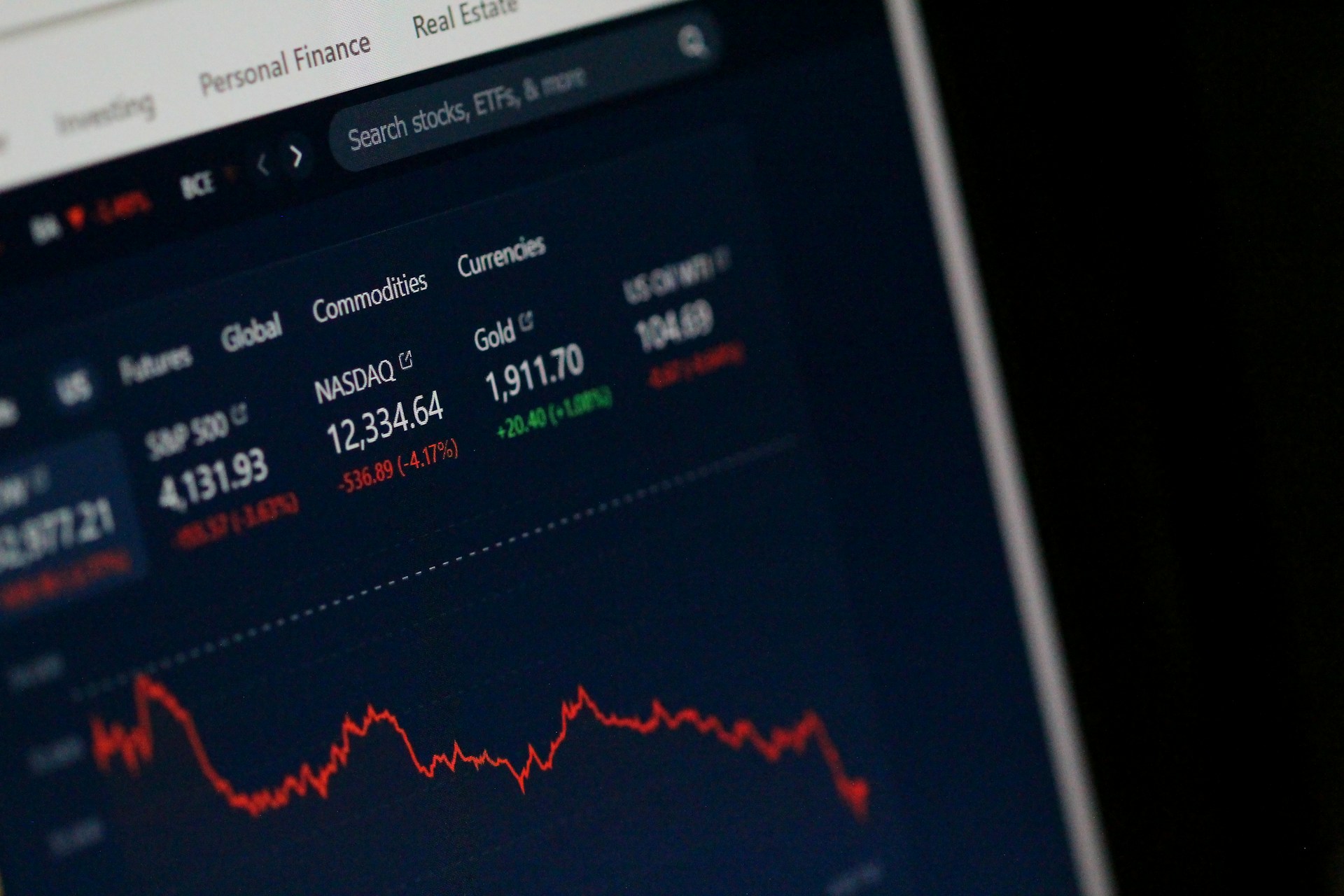
Wall Street remains cautious as global headlines shake up markets. The fatal shooting of UnitedHealth’s CEO, Brian Thompson, a prominent leader in the U.S. health insurance industry, is one of the most shocking events of the day. Thompson was killed in New York City Wednesday in what police believe was a premeditated attack. The tragic incident has cast a shadow over the markets, particularly as investors digest the news and anticipate possible disruptions in the healthcare sector.
Thompson, who had been at UnitedHealth since 2004 and became the CEO of its insurance division in 2021, was in New York for an investors' meeting when the attack occurred. According to police, the killing was not random, and the motive appears to be targeted. Thompson's wife, Paulette, revealed that he had received threats related to his work, although the exact nature of those threats remains unclear.
As investors grapple with the news of Thompson’s death, Wall Street futures showed little movement on Thursday. U.S. stock futures were constrained within tight ranges as traders awaited more economic data, including jobless claims and the highly anticipated jobs report on Friday. Despite the tragic news, the broader markets have managed to remain resilient, driven by optimism regarding the strength of the U.S. economy and corporate earnings. Stocks had closed at new record highs the previous day, following Federal Reserve Chair Jerome Powell's comments on the economy's strength.
In other global developments, Bitcoin surged past the $100,000 mark, reaching a new high as traders reacted to President-elect Donald Trump’s recent nomination of Paul Atkins as the new head of the U.S. Securities and Exchange Commission. Atkins, who has shown support for cryptocurrencies, is expected to replace the current SEC Chair, Gary Gensler, in January. The move is seen as a positive signal for the cryptocurrency market, which has struggled with regulatory uncertainty in recent years.
Meanwhile, the oil market is seeing subtle shifts. Prices for U.S. crude oil ticked upward following reports of a significant draw in U.S. inventories. Oil traders are also keeping an eye on an upcoming OPEC+ meeting, where the group is expected to discuss extending production cuts to maintain price stability. Shell and Equinor also announced a joint venture to form the largest independent producer in the U.K. North Sea by 2025, adding further intrigue to energy market dynamics.
However, the most unsettling news comes from France, where Prime Minister Michel Barnier is expected to resign following a vote of no-confidence. The resignation comes after a bitter clash over a controversial budget aimed at addressing a growing deficit. The political fallout from Barnier’s departure is expected to create uncertainty in French markets and could destabilize the broader European Union. The timing is especially critical as the EU faces multiple challenges, including political turmoil in Germany and financial instability in several member states.







