


 Oil Prices Fall as Russia Signals Higher Diesel Exports
  IMF Maintains 2027 Global Growth Forecast at 3.4% Amid Rising Risks
  IMF Warns US Debt Crisis Needs Fiscal Action, Urges China to Boost Consumption
  US Inflation Surges in September, Raising Fed Rate Hike Bets
  Asian Stocks Plunge as AI Chip Selloff Hits South Korea and Japan
  US Dollar Slips From 18-Month High Ahead of Key Inflation Data
  China Bank Lending Rebounds in September, Beats Forecasts
  Gold Prices Mixed Ahead of US Inflation Data and Fed Rate Outlook
  S&P 500 Futures Rise Ahead of US Inflation Data and Bank Earnings
  Gold Prices Rebound as Dollar Weakens Ahead of US Inflation Data
  Gaza Olive Harvest Collapses as War Destroys Farmland
  Italy’s Meloni Warns US-Russia Diesel Deal Could Weaken Ukraine Sanctions
  Trump Defends Russian Diesel Deal Amid US Sanctions Backlash
  RBA Signals More Rate Hikes as Inflation Risks Rise
  Fed's Hammack Urges Faster Rate Hikes to Fight Inflation
  Samsung, SK Hynix Shares Plunge as China Chip Competition Grows
  Fed’s Williams Sees One More Rate Hike in 2026, None in 2027


 Add as a preferred source on Google
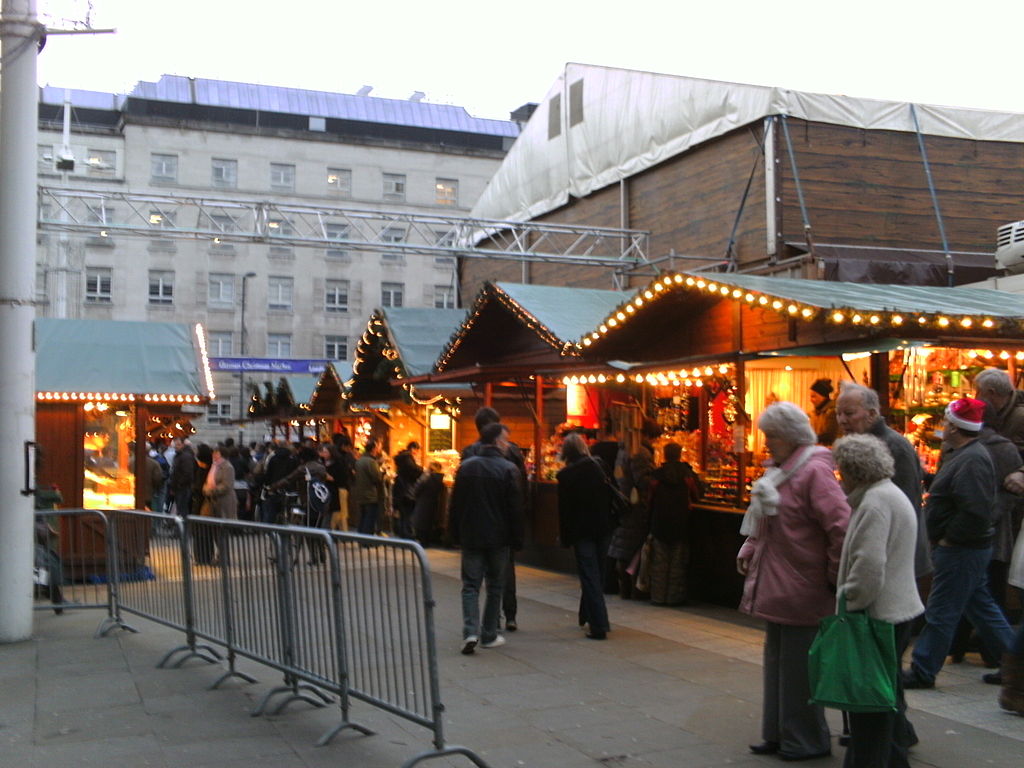
Germany’s iconic Christmas markets, celebrated for their warm charm and festive traditions, are facing an unprecedented challenge this holiday season: skyrocketing costs. In cities like Berlin, the cherished Glühwein (mulled wine) has reached an all-time high of €5 per mug, up from €3.25 pre-pandemic. Visitors, once enticed by the markets' affordable treats, now tread cautiously, evaluating every purchase against inflated prices driven by rising energy costs and labor shortages.
Event organizers have adopted innovative solutions to sustain visitor enthusiasm. Among the standout strategies is the all-inclusive Christmas market concept. Spearheaded by FARO Group at Berlin's Spree, this initiative offers unlimited food and drink options for a fixed price starting at €29.90 for off-peak hours, escalating to €45.90 during peak times. The result? An overwhelming demand, with over 1,000 tickets sold daily, reflecting a fundamental shift in how people experience these festive events.
Traditional markets, such as those at the Memorial Church and Potsdamer Platz, have also adapted, combining culinary offerings with unique attractions like ice skating, tobogganing, and even themed markets catering to pets. Such adaptations not only help maintain footfall but also reinforce Berlin’s position as the epicenter of Germany’s Christmas festivities, hosting over 60 markets annually.
However, not all changes have been embraced universally. Critics argue that escalating prices risk alienating locals, turning these markets into luxury experiences rather than inclusive community gatherings. Vendors remain cautiously optimistic, with many noting that the holiday spirit still drives both tourists and residents to partake in festive indulgences, albeit more selectively than before.
This year’s Christmas season highlights both the enduring appeal of Germany’s holiday traditions and the evolving strategies needed to preserve them in challenging economic times.







