


 Zcash Price Analysis: Can ZEC Rebound Above $1,300?
  XRP Ledger Foundation Confirms 100B Supply Safe After Security Fix
  TSMC Profit Set to Surge 65% as AI Chip Demand Drives Record Earnings
  Nasdaq Faces Pullback to 26,225 Despite Bullish Outlook, UBS Says
  US Judge Blocks Trump Administration’s Taxpayer-Funded Political Ads
  Coinbase CEO Backs SEC Accredited Investor Reform
  Canton Network Expands in South Korea With Major Partnerships
  Trump Defends Russian Diesel Deal Amid US Sanctions Backlash
  FxWirePro- Major Crypto levels and bias summary
  DeFi Development Adds 22,070 SOL to Solana Treasury
  Apple Supplier Luxshare Sees Limited Impact From US Patent Probe
  Trump Sanctions International Criminal Court, Sparking EU Backlash
  Syndax Stock Drops 15% After Axatilimab Trial Failure
  Robinhood Chain Eyes Priority Gas Auctions for Faster Trades
  Mahmoud Abbas Postpones Palestinian Elections to September 2027
  Samsung, SK Hynix Shares Fall as China's CXMT Advances DRAM Technology


 Add as a preferred source on Google
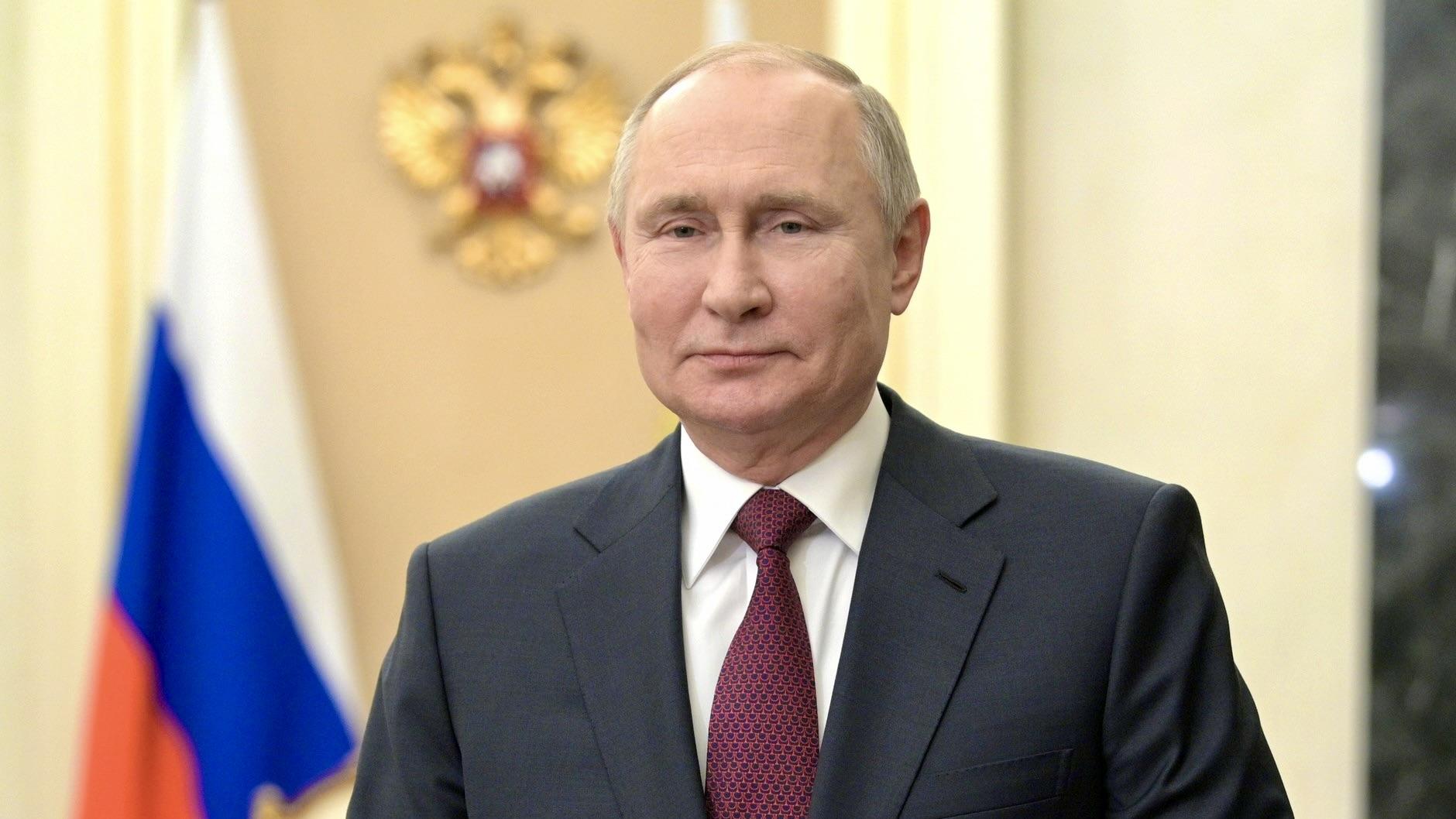
Russia, under Vladimir Putin, is tightening its grip on crypto mining by capping energy use at 6,000 kWh for unregistered miners and requiring entrepreneur licenses. Starting in December 2024, the measures include tax reforms that classify cryptocurrencies as property, reshaping the industry.
Restrictions Expand Across Russian and Occupied Territories
Russia plans to implement crypto mining restrictions in thirteen locations, including the Ukrainian seized territory, from 2024 to 2031. Some portions of the Siberian Republic of Buryatia, the Irkutsk region, and the Zabaikalsky Krai are impacted.
The heating season in the territories of Dagestan, Ingushetia, North Ossetia-Alania, Chechnya, Kabardino-Balkaria, and Karachay-Cherkessia must also adhere to annual emission regulations from 2012 until 2031.
The Moscow Times states that the occupied territories of Donetsk and Luhansk, as well as the provinces of Zaporizhzhia and Kherson, will be impacted by the measures. A government commission meeting, presided over Russian Deputy Prime Minister Alexander Novak, deliberated on such steps. Since the nation's power usage is expected to increase over the winter season, energy savings was a topic of discussion at the meeting.
Energy Caps for Unregistered Crypto Miners
The government has established a maximum electricity usage of 6,000 kWh per month for unregistered cryptocurrency miners as an additional measure to manage energy consumption.
If you want to keep mining cryptocurrency after this limit, you'll need an entrepreneur's license. The administration justified the move by saying it would prevent unlicensed miners from putting additional pressure on the electricity grid. While mining enterprises must comply with reporting and taxation standards, they will not be subject to judicial challenges.
Impact on Siberia’s Crypto Mining Hub
Therefore, the new regulations can significantly affect the cryptocurrency mining industry in Russia, particularly in cities like Irkutsk.
The Irkutsk region is well-known for its frigid weather, abundant hydropower supplies, and inexpensive electricity rates, all of which make it an attractive location for mining. Opened in 2019 in Bratsk, close to one of the world's largest hydroelectric power stations, this building houses BitRiver's largest data center.
Consequently, mining corporations have found the Siberian regions to be suitable due to these circumstances, Coingape points out. However, work in these places will be limited and crypto mining output will decrease as a result of government restrictions on energy supplies.
US and Russia Diverge in Crypto Strategies
Donald Trump's crypto pledges, such as the Strategic Bitcoin Reserve, suggest that the United States might emerge as a crypto hub, in contrast to Russia's crypto mining prohibitions. Notably, Bitcoin proponent Anthony Pompliano has lately pushed for the US to generate $250 billion to fund the strategic reserve.
New Tax Regulations for Russian Crypto Miners
Russian government officials have imposed new tax rules on Bitcoin transactions and mining operations on top of existing mining limitations. For financial reporting reasons, digital currencies will now be considered property under the new rules. Taxes will be applied to mining and trading income according to its market value when it is received.
Crypto transactions will continue to be free of value-added tax, and miners will be able to deduct operational expenditures from their taxable revenue. Mining infrastructure operators will have to report on the miners they work with on a regular basis to make sure they're paying their taxes.
These measures are an attempt to strike a balance between the needs of the state and those of companies, according to the Ministry of Finance. These steps show that Russia is serious about controlling its energy consumption and regulating the cryptocurrency market.







