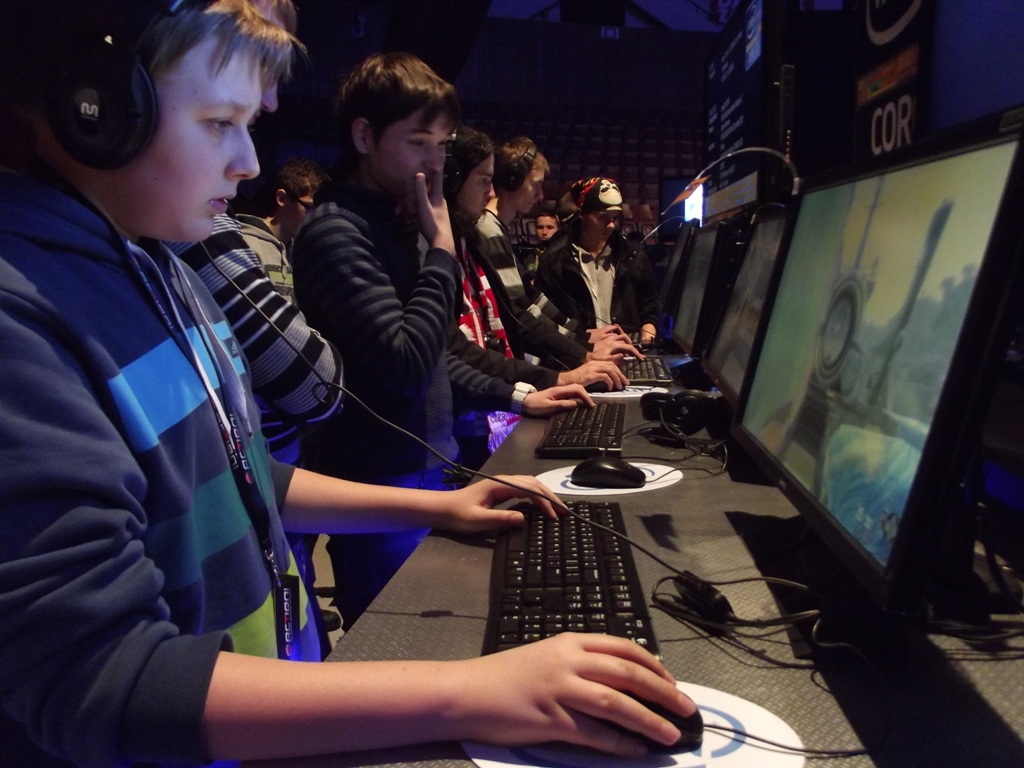
The World Health Organization (WHO) ended 2017 by dropping a massive bomb on the video game industry, classifying gaming as a health hazard. As expected, this sparked outrage from the community and more than a few experts have called out the organization for what they considered was an irresponsible move. Recently, the gaming industry weighed in on the controversy and not surprisingly, denied the classification.
It’s worth pointing out that, at least for now, the recent classification of “gaming disorder” is just part of the first draft of the WHO’s revision of its International Compendium of Diseases. It still needs to be approved and this is what the Entertainment Software Association (ESA) wants to stop, GamesIndustry.biz reports.
The ESA is basically the trade group that has major clout and investment in the video game industry. In a recent statement released by the association, it is urging the WHO to reverse its decision and instead focus on real health issues.
"Just like avid sports fans and consumers of all forms of engaging entertainment, gamers are passionate and dedicated with their time. Having captivated gamers for more than four decades, more than 2 billion people around the world enjoy video games. The World Health Organization knows that common sense and objective research prove video games are not addictive. And, putting that official label on them recklessly trivializes real mental health issues like depression and social anxiety disorder, which deserve treatment and the full attention of the medical community. We strongly encourage the WHO to reverse direction on its proposed action," the statement reads.
As Cinemablend notes, the decision by the WHO to label gaming as a disorder is being taken seriously by those in the community for fear that it would lead to further stigmatization. Gamers are just finally overcoming the stereotype of being antisocial, overweight, and weak nerds. Then there’s the matter of eSports, which is just taking off the ground.