


 Apple Supplier Luxshare Faces US Patent Probe, Sees Limited Impact
  OpenAI Revenue Hits $50 Billion, Below Earlier $70 Billion Estimate
  Brazil Election: Lula and Bolsonaro Rally Ahead of October 25 Runoff
  Zelenskiy Offers Russia Energy Truce Amid Trump Pressure
  Mahmoud Abbas Postpones Palestinian Elections to September 2027
  TSMC Profit Set to Surge 65% as AI Chip Demand Drives Record Earnings
  JD Vance Questions Pentagon Plan to Livestream Fort Hood Shooter’s Execution
  Trump Sanctions International Criminal Court, Sparking EU Backlash
  Russia Approves Sberbank for Crypto Exchange Services
  Yandex Data Center Hit by Drone Strike as Russia-Ukraine Cyber Infrastructure Attacks Escalate
  Moonshot AI Executives Seek Settlement Ahead of Hong Kong IPO
  Nasdaq Faces Pullback to 26,225 Despite Bullish Outlook, UBS Says
  Panama Declares Emergency After 7.7 Earthquake Triggers 200 Aftershocks
  Most Americans Oppose Election Betting on Prediction Markets, Poll Finds
  Elon Musk Eyes Semiconductor Manufacturing Expansion With $15 Billion Terrafab Project
  Pakistan Declares Emergency in Khyber Pakhtunkhwa, Suspends Imran Khan’s PTI Government
  European Auto Stocks Rise as EU-China Trade Deal Targets Hybrid Imports


 Add as a preferred source on Google
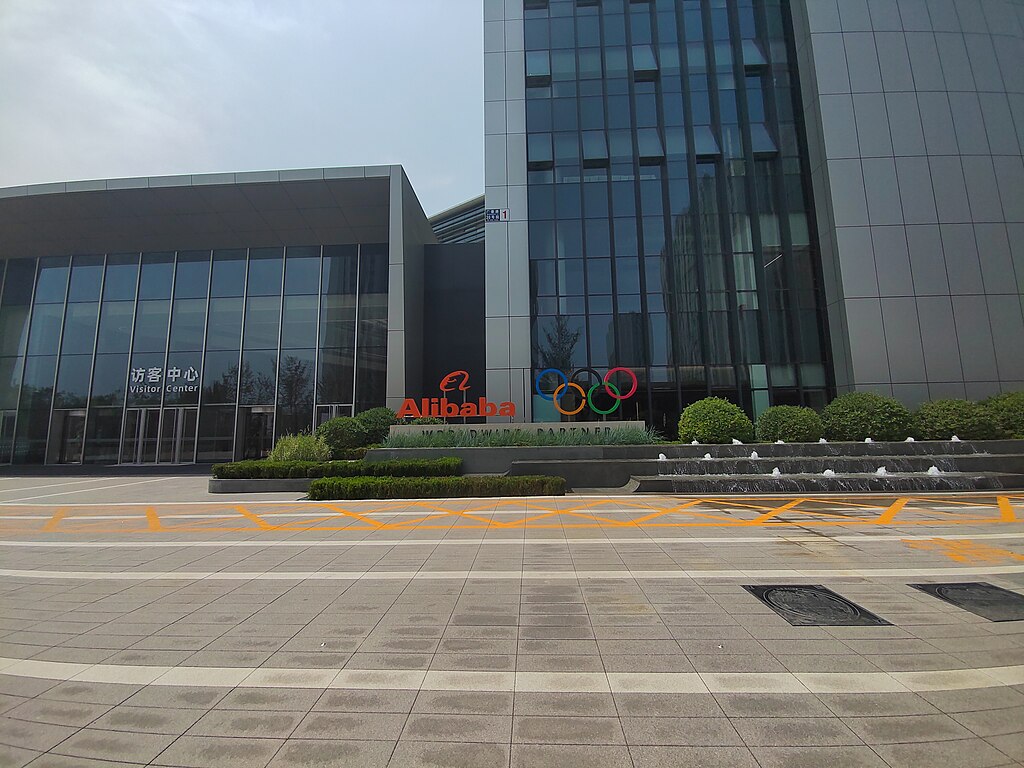
The United States has reportedly accused Alibaba, one of China’s largest technology and e-commerce companies, of supplying technological support to the Chinese military for operations targeting the U.S., according to a Financial Times report citing a White House national security memo. The memo, which includes declassified intelligence, suggests that the company has provided capabilities to the People’s Liberation Army that Washington views as a potential threat to U.S. national security. However, the report did not detail the specific technologies involved or indicate whether the U.S. plans to take further action.
Following the publication of the claims, Alibaba’s U.S.-listed shares dropped more than 4%, reflecting investor concerns about renewed geopolitical tensions and potential regulatory fallout. In a firm response, Alibaba dismissed the allegations as entirely baseless, emphasizing that the information came from an unverifiable anonymous source. The company criticized the leak as a deliberate attempt to undermine the recent trade agreement reached between President Trump and China, framing the accusations as part of a malicious public relations effort.
The Chinese embassy in Washington also rejected the report, reiterating that China opposes cyberattacks in all forms and follows strict laws against such actions. Embassy spokesperson Liu Pengyu condemned the U.S. for what he described as unfounded claims lacking evidence, calling the accusations irresponsible and a distortion of facts. He stressed that China “firmly opposes” the allegations and urged the United States to avoid escalating tensions based on unverified information.
The White House declined to comment on the report, leaving the broader implications uncertain amid an already strained U.S.–China relationship. As both nations navigate sensitive economic and security issues, the controversy adds another layer of complexity to ongoing discussions about technology, cybersecurity, and international trust.
The situation continues to evolve as markets react and both governments maintain firm positions, keeping global attention focused on one of the world’s most closely watched tech and geopolitical conflicts.







