


 Gold Prices Rise as Hormuz Tensions Fuel Inflation Risks
  Deere, CNH and AGCO Stocks Fall as FTC Launches Farm Equipment Probe
  Gold Prices Hit One-Week High as Oil Falls, Fed Rate Outlook Weighed
  France to Release 10 Million Barrels of Diesel to Ease Fuel Prices
  Dollar Near 18-Month High as Euro, Yen and Pound Weaken
  US Treasury Yields Ease After Strong 10-Year Auction as Global Bonds Struggle
  Trump Secures Russian Diesel Deal as US Fuel Prices Surge
  Wall Street Falls as Oil Prices Rise and Tech Stocks Slide
  European Stocks Fall as Oil Rises Ahead of Fed Minutes


 Add as a preferred source on Google
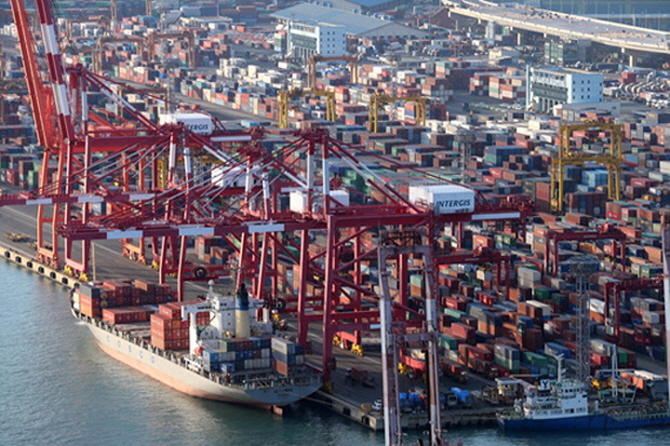
GDP growth has been revised to 5.3% (QoQ saar) for 3Q, compared to 5.0% in the preliminary figures. The upward revision mainly came from domestic demand, including both private consumption (5.0% vs. 4.7%) and investment (12.8% vs. 12.2%). But exports contracted more than expected, by 2.2% (vs. -1.0% in the initial estimate). On average, domestic demand expanded at a solid pace of 4.6% per quarter so far this year. Exports, on the other hand, barely grew and stagnated at the levels a year ago.
The picture of weak exports and strong domestic demand remains unchanged this quarter. Retail sales surged strongly in Oct as the effects of a temporary consumption tax cut kicked in. Although exports contracted at a slower rate in Nov, the main reason behind was a low comparison base. The latest PMI survey confirmed that it was the drop in overseas demand that contributed to the weakness in new orders and production.
Thanks to the strength in domestic demand, GDP growth is expected to be underpinned at the 3% level in 4Q. This should allow the Bank of Korea to maintain its baseline economic forecasts and to hold rates steady at the last policy meeting this year (10th Dec). Domestic growth will lose momentum at some point next year as the effects of policy stimuli will eventually wane. A recovery in exports will be required then to avoid a renewed slowdown in GDP growth. Persistent weakness in exports will be a potential source of worry, given the headwinds from China's slowdown, Fed's tightening and increase in external competitions.

- News

- Economy

- Central Banks
- Investing
- Research
- Roundups
- Digital Currency
- Insights
- Technical Analysis
- Technology
- Business
- Law
- Health
- Nature
- Fintech
- Science
- Topic
- Opinions
- ©Econometrics LLC . All Rights Reserved.
Weak exports remain a source of worry in South Korea
Friday, December 4, 2015 1:43 AM UTC
Editor's Picks



- Market Data
Most Popular




