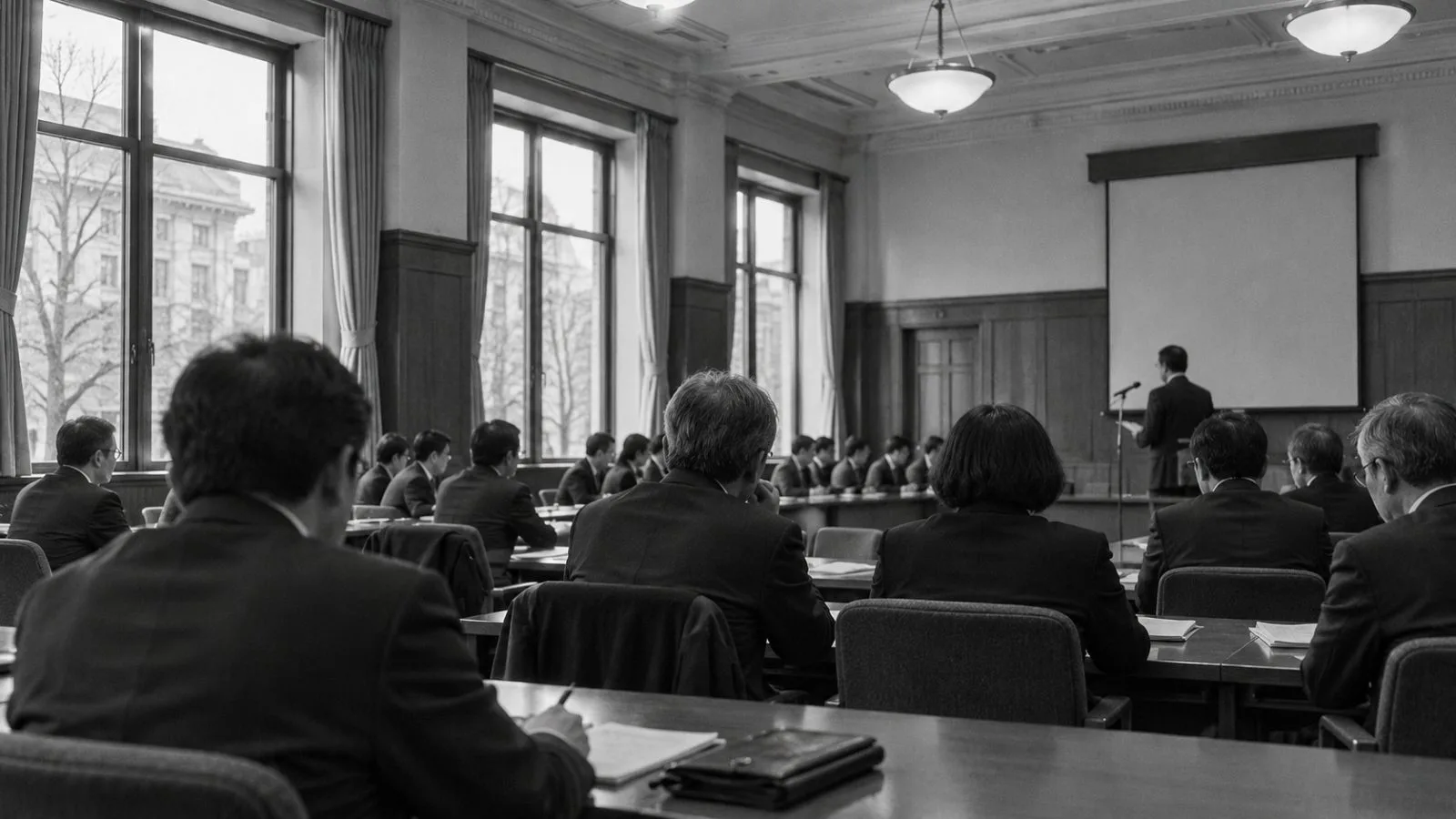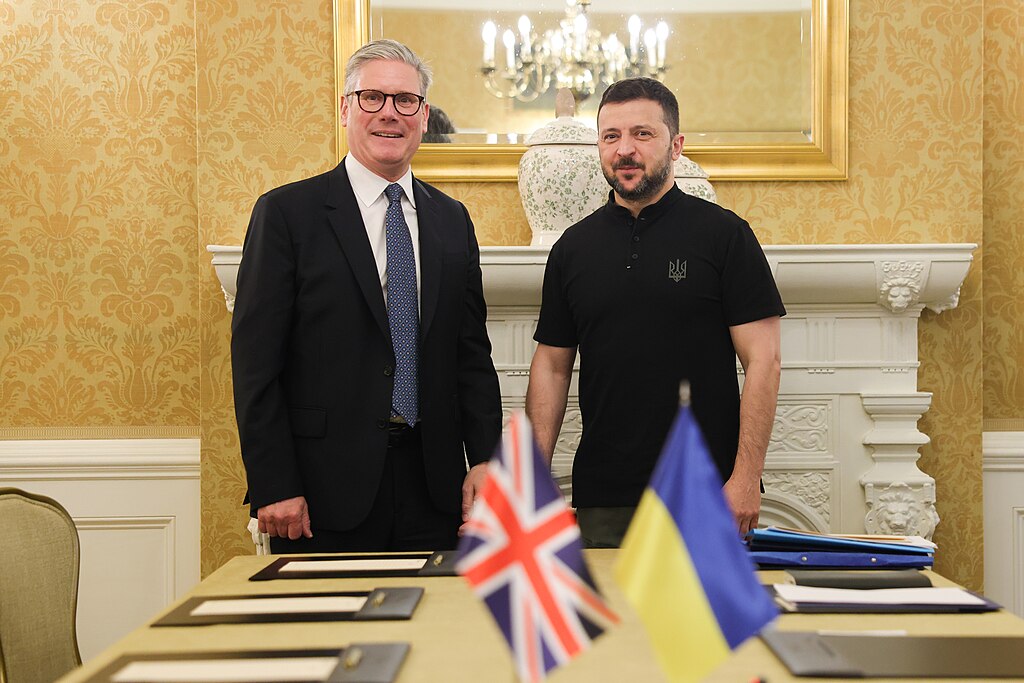
British Prime Minister Keir Starmer announced that Western allies, excluding the U.S., are intensifying support for Ukraine in case of a ceasefire with Russia. Starmer hosted a virtual meeting with leaders from Germany, France, Italy, Canada, Australia, and NATO Secretary General Jens Stoltenberg to pressure Russian President Vladimir Putin into accepting a ceasefire deal proposed by U.S. President Donald Trump.
The coalition reaffirmed its commitment to sustaining military aid to Ukraine while tightening economic sanctions on Russia to weaken its war efforts. Britain and France have expressed willingness to deploy peacekeepers, while Australia is open to requests. Meanwhile, Ukraine continues to demand security guarantees, including foreign troop presence—something Russia opposes.
Western nations are responding to Trump’s push for Europe to take greater responsibility for Ukraine’s security. Starmer revealed that military leaders would convene in the U.K. this Thursday to develop "robust plans" for Ukraine’s future security. While Russia has welcomed the ceasefire proposal in principle, its demands—Ukraine abandoning NATO ambitions and conceding occupied territories—remain contentious.
Zelenskiy rejected Putin’s territorial claims but acknowledged that negotiations would be complex. Trump, who sees a "very good chance" of ending the war, has indicated that Ukraine may not recover all its land. However, the U.S. recently backed a G7 communique reaffirming Ukraine’s territorial integrity.
Despite diplomatic efforts, Russia continues its military aggression. French President Emmanuel Macron stated that Putin appears unwilling to negotiate in good faith. Starmer emphasized that pressure must remain on Russia to ensure meaningful peace talks. As tensions persist, Ukraine’s allies are preparing strategic plans to deter future threats and secure lasting stability.