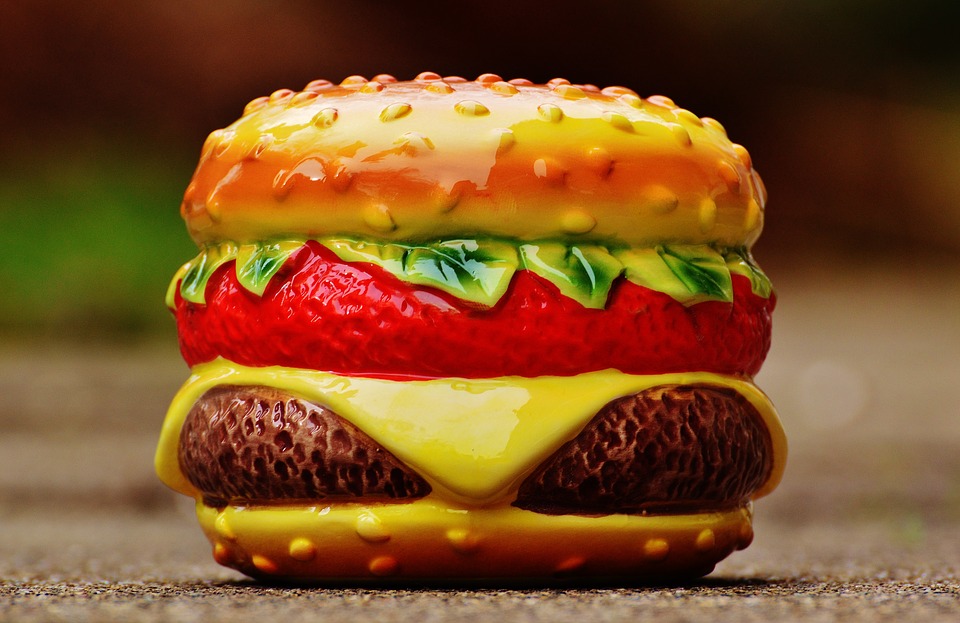
Emojis are supposed to be harmless messaging features intended to convey emotion through animated images rather than words. That’s why this latest controversy surrounding Google’s cheeseburger emoji, of all things, has been rather baffling. The crux of the matter lies in how the tech giant made the odd decision to place the cheese under the patty whereas Apple placed it on top of the patty.
This latest emoji-related controversy might seem silly, but it was apparently disruptive enough that Google CEO Sundar Pichai himself had to step in and address the matter. First, though, what exactly is the problem in this scenario? Well, it would seem that a lot of people took issue with the cheese placement, which actually sparked arguments all over the net.
In a rather cheeky Tweet, Pichai hinted last Friday that Google would be making the relevant changes if people could agree on where the cheese should be. Whether or not he is serious about this remains to be seen.
Will drop everything else we are doing and address on Monday:) if folks can agree on the correct way to do this! https://t.co/dXRuZnX1Ag
— Sundar Pichai (@sundarpichai) October 29, 2017
“Will drop everything else we are doing and address on Monday:) if folks can agree on the correct way to do this!” Pichai Tweeted.
As of now, over 14,000 users on Twitter have been discussing how cheeseburgers should be made, Tech Times. Many agree that the standard bun, tomato, cheese, patty, lettuce, and bun that McDonald's popularized should be the norm. Others, on the other hand, disagree and emojis by other brands and services are even getting dragged into the controversy.
Even if Pichai was serious in his Tweet, it’s going to be difficult to come to an agreement as to how the cheeseburger emoji should be arranged. For now, the one made by Google will likely stay as it is. More to the point, there really is no good reason for changing it.