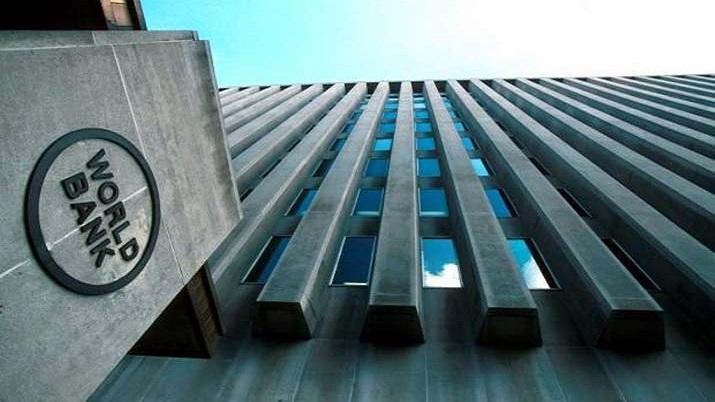
The World Bank painted a gloomy picture of the global economy this year, forecasting that it will shrink by 5.2 percent to mark the deepest recession since World War II.
The World Bank revised its January 2020 global growth estimate by 7.7 percentage points on its Global Economic Prospects report.
Countries that rely heavily on commodity exports, global trade, and tourism, and those with high case and death counts will suffer the most.
The World Bank pointed out that the global crisis would affect more countries than any other economic downturn since 1870.
Expected to contract by 7 percent are advanced economies while emerging markets and developing economies are forecast to shrink 2.5 percent, which is the weakest shown by these economies in at least sixty years.
It would result in lower investment, fragmentation of global trade and supply linkages, and erosion of human capital due to lost work and schooling.
The decline is expected to reverse years of progress and send tens of millions to extreme poverty.
World Bank Group Vice President for Equitable Growth, Finance and Institutions, Ceyla Pazarbasioglu, called the outlook deeply sobering and urged the global community to prevent more people from falling into poverty and unemployment.


South Korea Assures U.S. on Trade Deal Commitments Amid Tariff Concerns
Gold Prices Slide Below $5,000 as Strong Dollar and Central Bank Outlook Weigh on Metals
Asian Markets Slip as AI Spending Fears Shake Tech, Wall Street Futures Rebound
Global Markets Slide as AI, Crypto, and Precious Metals Face Heightened Volatility
Vietnam’s Trade Surplus With US Jumps as Exports Surge and China Imports Hit Record
Trump Signs Executive Order Threatening 25% Tariffs on Countries Trading With Iran
Japan Economy Poised for Q4 2025 Growth as Investment and Consumption Hold Firm
Australia’s December Trade Surplus Expands but Falls Short of Expectations
RBI Holds Repo Rate at 5.25% as India’s Growth Outlook Strengthens After U.S. Trade Deal
Japanese Pharmaceutical Stocks Slide as TrumpRx.gov Launch Sparks Market Concerns
U.S.-India Trade Framework Signals Major Shift in Tariffs, Energy, and Supply Chains
South Korea’s Weak Won Struggles as Retail Investors Pour Money Into U.S. Stocks
China Extends Gold Buying Streak as Reserves Surge Despite Volatile Prices
Thailand Inflation Remains Negative for 10th Straight Month in January
Dow Hits 50,000 as U.S. Stocks Stage Strong Rebound Amid AI Volatility
Asian Stocks Slip as Tech Rout Deepens, Japan Steadies Ahead of Election
Singapore Budget 2026 Set for Fiscal Prudence as Growth Remains Resilient 


