


 US-Taiwan Ties Remain Strong as Taipei Urges Timely Arms Deliveries
  US Pressures Allies to Distance From Anti-Disinformation Conference
  Merz Warns of Extremism After AfD Gains Power in Saxony-Anhalt
  US-Led Coalition Targets Global Factory Overcapacity
  Saudi Airport Attacks Kill Three as Yemen Fighting Escalates
  Mike Rogers Calls for End to US-Canada Tariff War
  Houthis Strike Aden Airport as Yemen Fighting Escalates
  North Korea Slams US Taiwan Arms Sales, Reaffirms Russia Support
  US, Greece Launch New Counterterrorism Security Program
  Lula Weighs Alckmin as Finance Minister to Boost Fiscal Credibility
  Maduro, Wife May Face New US Torture Charges
  Trump Envoy Meets Sudan Army Chief in Egypt
  San Francisco Halts New Data Center Construction With 45-Day Moratorium
  Rapidus Seeks Chip Customers as Japan Pushes 2nm Semiconductor Revival
  Trump Rallies in Texas as Republicans Face Tight Midterm Races
  Mexico Bars Dual Citizens From Presidential Races Starting in 2028
  Trump Says He Deserves 2026 Nobel Peace Prize Despite Uncertain Chances


 Add as a preferred source on Google
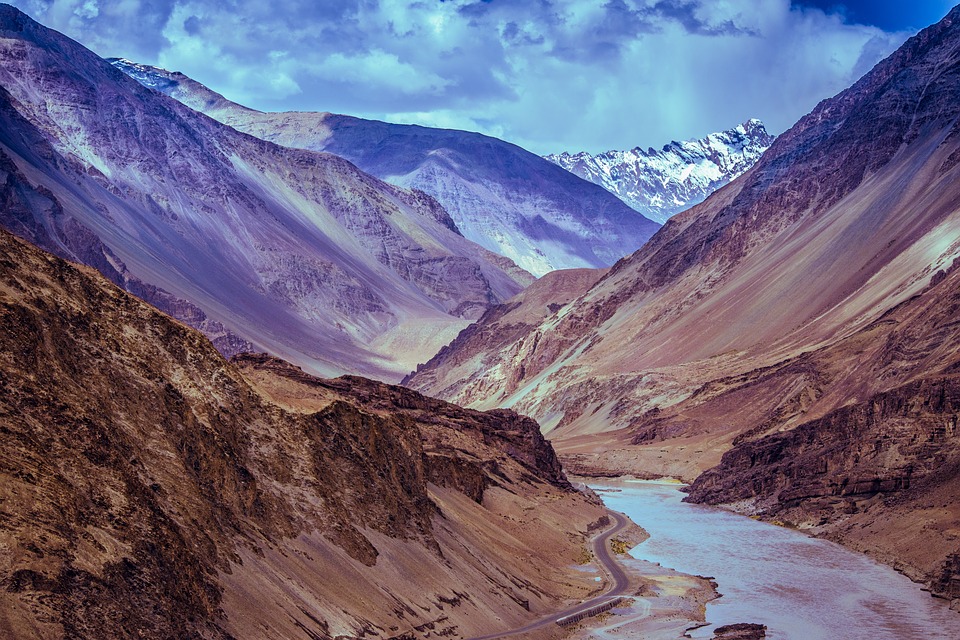
China and India have been at odds over the Himalayan border, which both countries have claimed to have sovereignty over. As tensions could lead to another world war, Chinese leader Xi Jinping has ordered his troops to expand the construction of the border, including Tibet.
Tensions remain between India and China over the border, and recently, the Xinhua News Agency reported that Xi called on the Tibetan people to help in the country’s efforts to defend itself. This may serve as a warning to India, according to academic Robert Barnett. Barnett told Bloomberg that Xi’s message suggests that China’s border issue with India is among the highest priorities in the national agenda.
“The timing of his visit seems designed to de-emphasize China’s original promises of autonomy and freedom to Tibetans,” said Barnett. “It instead emphasizes to Tibetans that they owe everything to the Communist party.”
To note, China has controlled Tibet for 70 years after it pushed into the region in 1951. China also led a crackdown on anyone challenging its control of Tibet. In another effort to maintain control of Tibet since the protests in 2008, China has further ramped up security in the region.
The Himalayan border that China and India are disputing over has seen an increase of military presence from both sides over the past several months. New Delhi deployed an additional 50,000 troops to the region as of late.
“China will strengthen infrastructure construction along the border,” said Xi, amidst the rising tensions with India. “It also encourages people of various minorities to set their roots at the border, to defend the territory, and build the homeland.”
China also faces tensions with Australia, with the Australian government previously reporting that they are closely monitoring the presence of a Chinese spy vessel along the coast. The presence comes ahead of the military exercises that Australia is carrying out with the US. Defense officials have expressed concern, noting that at that time, there are now two spy ships from China possibly monitoring Australia.
The joint exercises also include participation from troops of Japan, South Korea, New Zealand, Canada, and the UK.







