


 Robinhood Chain Eyes Priority Gas Auctions for Faster Trades
  Moonshot AI Executives Seek Settlement Ahead of Hong Kong IPO
  TSMC Q3 Revenue Beats Estimates as AI Chip Demand Surges
  Elon Musk Accuses Indian Telecom Giants of Blocking Starlink Launch
  Meta Launches Muse Wonder AI Models, Shares Rise 3.7%
  Apple Supplier Luxshare Faces US Patent Probe, Sees Limited Impact
  TSMC Profit Set to Surge 65% as AI Chip Demand Drives Record Earnings
  European Auto Stocks Rise as EU-China Trade Deal Targets Hybrid Imports
  Solidigm Taps Goldman, Morgan Stanley for $10 Billion US IPO
  Visa Wins China Approval to Prepare Domestic Payments Expansion
  Yandex Data Center Hit by Drone Strike as Russia-Ukraine Cyber Infrastructure Attacks Escalate
  Ethereum Foundation-Linked Wallets Move $11.13M in ETH to Kraken
  Jameson Lopp Downplays AI Threat to Bitcoin Cryptography
  Samsung, SK Hynix Shares Plunge as China Chip Competition Grows
  Nvidia’s China AI Chip Market Share Falls to 34% as Huawei Gains Ground
  Most Americans Oppose Election Betting on Prediction Markets, Poll Finds


 Add as a preferred source on Google
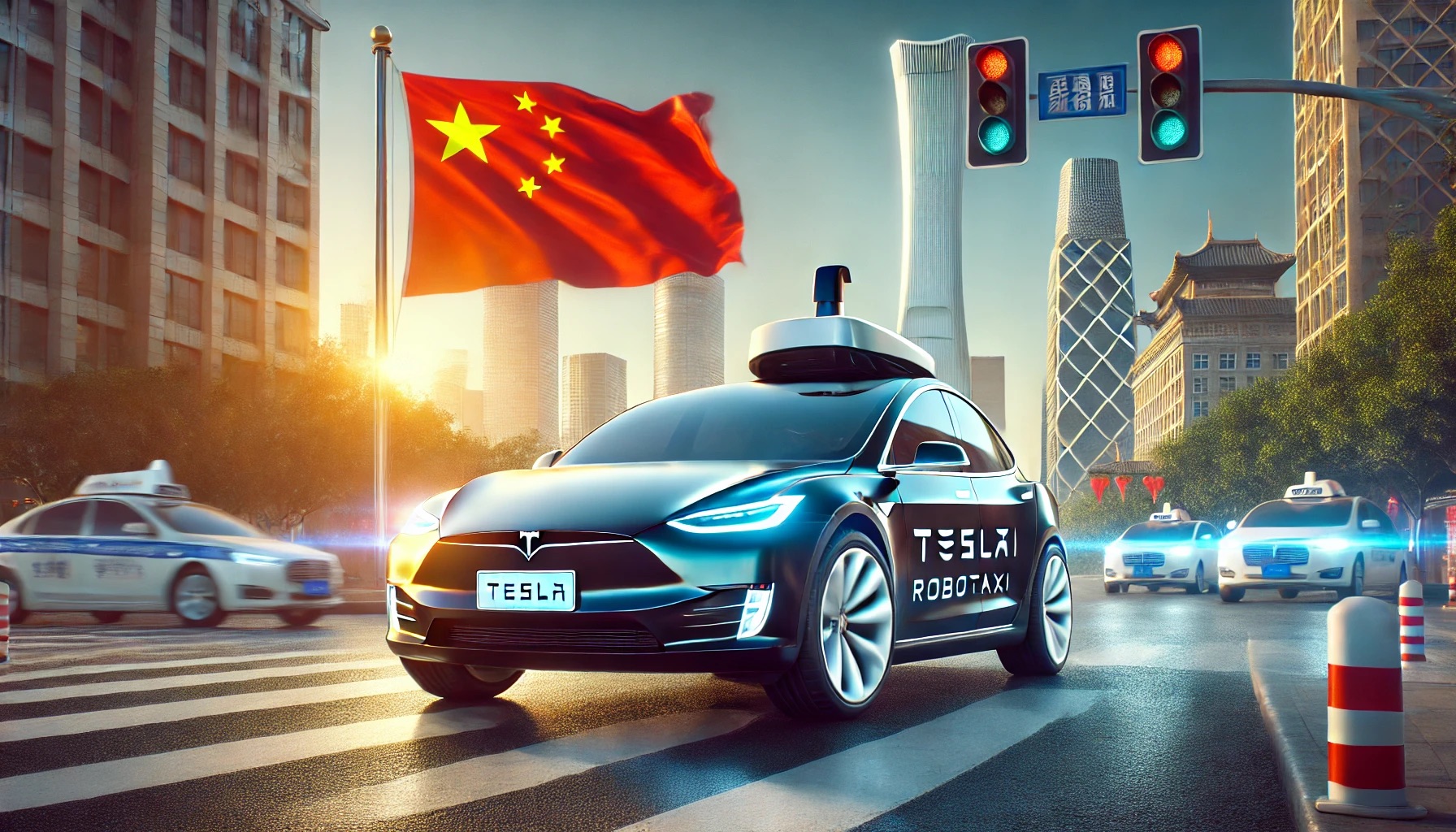
XPeng's adoption of Tesla’s vision-only FSD technology aligns with Beijing's latest self-driving Robotaxi rules, advancing the autonomous driving landscape.
According to Notebookcheck.net, after hearing that its Apollo robotaxi service was turning a profit, Baidu, a mapping provider, saw its stock price soar, signaling that China is getting ready for the age of mass autonomous driving.
Taxi drivers in Wuhan, a city that calls itself "the world’s largest autonomous-driving operation service region," are taking issue with Baidu's Apollo Go robotaxis, which provides cheaper alternatives to traditional taxis.
Beijing Eases Robotaxi Regulations
Not only has Wuhan legalized robotaxis on public roads, but other major cities such as Shenzhen and Shanghai have done the same. Tesla was just granted authorization to test FSD in Shanghai. Bloomberg shares that legislation to loosen restrictions on robotaxis in the capital has also been developed in Beijing.
Using Baidu's mapping and navigation services, Tesla has successfully met the regulations set by the Chinese government regarding car autonomy.
On August 8, Tesla's CEO will unveil both the Cybercab ride-share platform and a standalone Robotaxi.
Chinese Automakers Follow Tesla's Lead
It is said that Tesla would test its Robotaxi in China first because the country is ahead of the curve when it comes to regulating and implementing driverless cabs.
When it comes to autonomous driving, it appears that Chinese automakers are also taking a page out of Tesla's playbook to reduce production costs. They have always used more sensors, LiDAR, and cameras for it than Tesla.
Per CnEVPost, XPeng, a Chinese leader in autonomous technolog, hinted at its upcoming P7+ car, which will ostensibly forego the costly LiDAR in favor of Tesla's Vision-only camera strategy.
The CEO recently visited the US and tried out Tesla's FSD feature, which could have been the decisive factor.
Potential Validation for Tesla's FSD System
If Tesla were to follow XPeng's lead and equip their production vehicles with LiDAR, it would prove that their camera-only FSD system is practical.







