
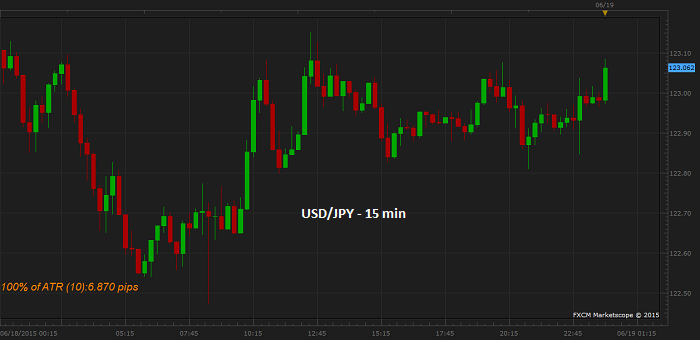
The Bank of Japan (BOJ) decided to sit tight on monetary policy today and continue its wait and watch mode before it decides to take further action.
As of now, Bank of Japan (BOJ) is continuing its monetary policy to increase monetary base by ¥ 80 trillion per annum. This massive stimulus makes yen defensive against most of its major trading counterparts.
Why Yen weak against Dollar and Pound?
- Monetary policy remained polls apart against FED reserve and Bank of England (BOE). With higher yield difference makes Yen a preferred sell against Dollar and Pound.
Why Yen might weaken against Euro?
- European Central Bank (ECB) is purchasing assets at somewhat faster pace than Bank of Japan (BOJ), however recent rout and volatility in European yields have spooked investors out. In contrast to that low Japanese yields and lower volatility makes Yen the preferred funding currency.
Key highlights from monetary policy statement -
- BOJ noted that prices are on the rise on long term perspective, however inflation might remain subdued in the short term due to lower energy prices.
- BOJ also hinted that growth might be returning in Japan. According to latest growth might have jumped back to 3.9% in the first quarter.
Bank of Japan's view on inflation and growth suggests that BOJ is unlikely to increase the stimulus under current circumstance.
Yen is likely to remain weak unless BOJ hints at altering the stimulus to downside or massive risk aversion hits market.


