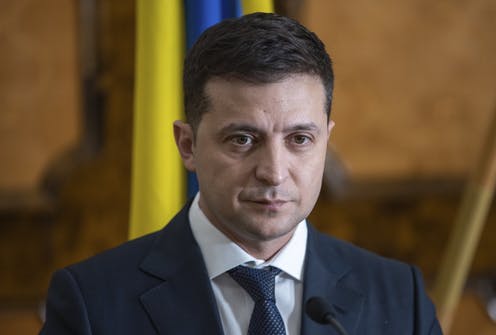
Ukrainian President Volodymyr Zelenskiy announced plans to raise the share of domestically produced weapons to 50% within six months, as part of a broader effort to strengthen Ukraine’s defense industry amid ongoing war with Russia.
The announcement follows a major political reshuffle, with Zelenskiy nominating Yulia Svyrydenko as the new prime minister. Svyrydenko, a key figure in a minerals deal with the U.S., replaces Denys Shmyhal, who has been proposed as the next defense minister. These appointments, still pending parliamentary approval, come at a critical time as diplomatic efforts to end the war stall and Ukraine seeks to stabilize its economy.
In a meeting with Shmyhal and outgoing defense minister Rustem Umerov, Zelenskiy emphasized that the defense ministry will now play a more direct role in overseeing arms production. Currently, Ukrainian-made weapons account for around 40% of those used on the battlefield. “Our goal is to reach 50% within six months through expanded domestic production. It’s challenging but achievable,” Zelenskiy said in his nightly video address.
Ukraine has prioritized the production of drones and air defense systems to counter Russia’s escalating drone and missile attacks. Zelenskiy has recently highlighted the strategic value of drone interceptors to protect urban areas from aerial threats. Last week, Kyiv’s military officials allocated $6.2 million to bolster a drone interceptor program aimed at defending the capital’s airspace.
Zelenskiy continues to push for greater collaboration with Western allies in joint weapons production, viewing this as essential to Ukraine’s long-term defense strategy. Enhancing local arms manufacturing is seen as a critical step toward military self-sufficiency and economic resilience during wartime.