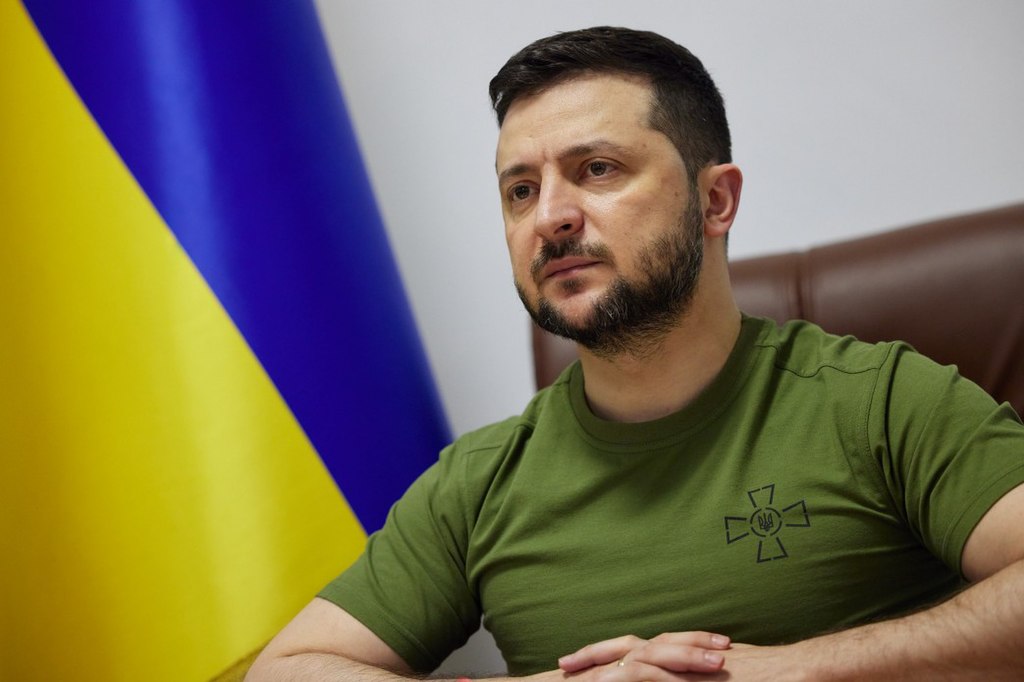
Ukrainian President Volodymyr Zelenskiy has called on the United States to intensify pressure on Russia if Washington hopes to secure an end to the war in Ukraine by summer. Speaking on Wednesday, Zelenskiy said it remains unclear whether Moscow will participate in proposed U.S.-brokered peace talks expected to take place in Miami next week.
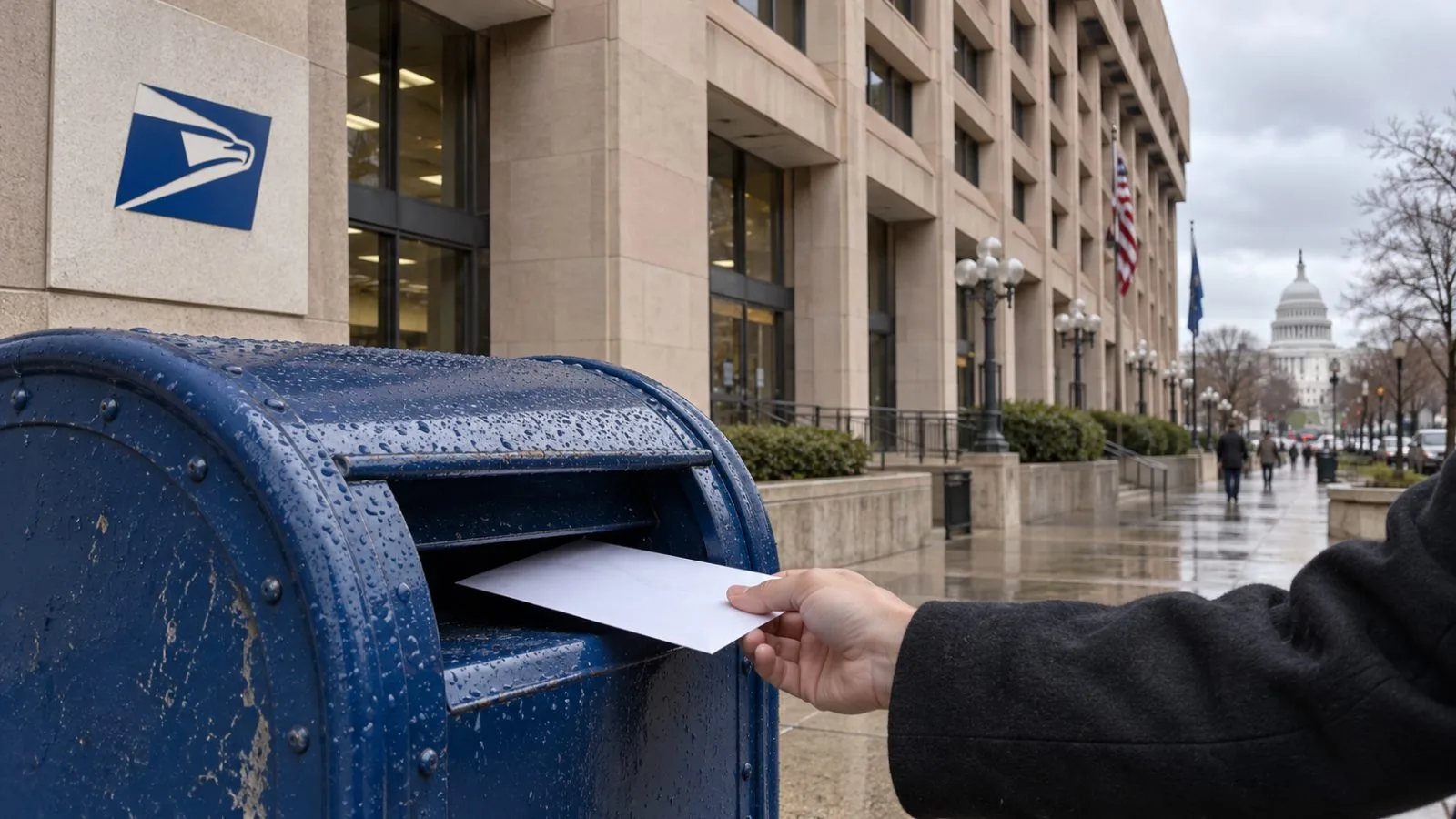
According to sources familiar with the matter, U.S. officials have suggested holding a new round of trilateral negotiations involving Ukraine, Russia, and the United States on Monday and Tuesday in Miami. The Kremlin stated that no official date has been set but signaled that talks could happen soon. The White House declined to comment on the schedule.
The potential Miami meeting follows two previous rounds of negotiations in Abu Dhabi that failed to produce a breakthrough, particularly over the disputed Donbas region in eastern Ukraine. Russia is demanding full control of the Donbas as part of any peace agreement, while Ukraine has firmly rejected territorial concessions, though it has shown openness to options such as a demilitarized or free-trade zone.
Zelenskiy emphasized that achieving a peace deal depends not only on Kyiv but also on Washington’s willingness to apply stronger diplomatic and economic pressure on Moscow. He previously suggested the U.S. aims to see progress before upcoming congressional mid-term elections.
The Ukrainian leader also dismissed a Financial Times report claiming he planned to announce presidential elections and a referendum on a peace agreement on February 24, the anniversary of Russia’s full-scale invasion. Zelenskiy reiterated that elections cannot take place under martial law and would only occur after credible security guarantees and a ceasefire are secured. Ukrainian law currently bans elections during wartime, and public opinion largely opposes holding a vote amid ongoing hostilities.
Negotiators are reportedly working on a 20-point peace framework that includes organizing elections once conditions permit. However, officials caution that without a finalized peace deal and sustained ceasefire, discussions about elections remain premature.