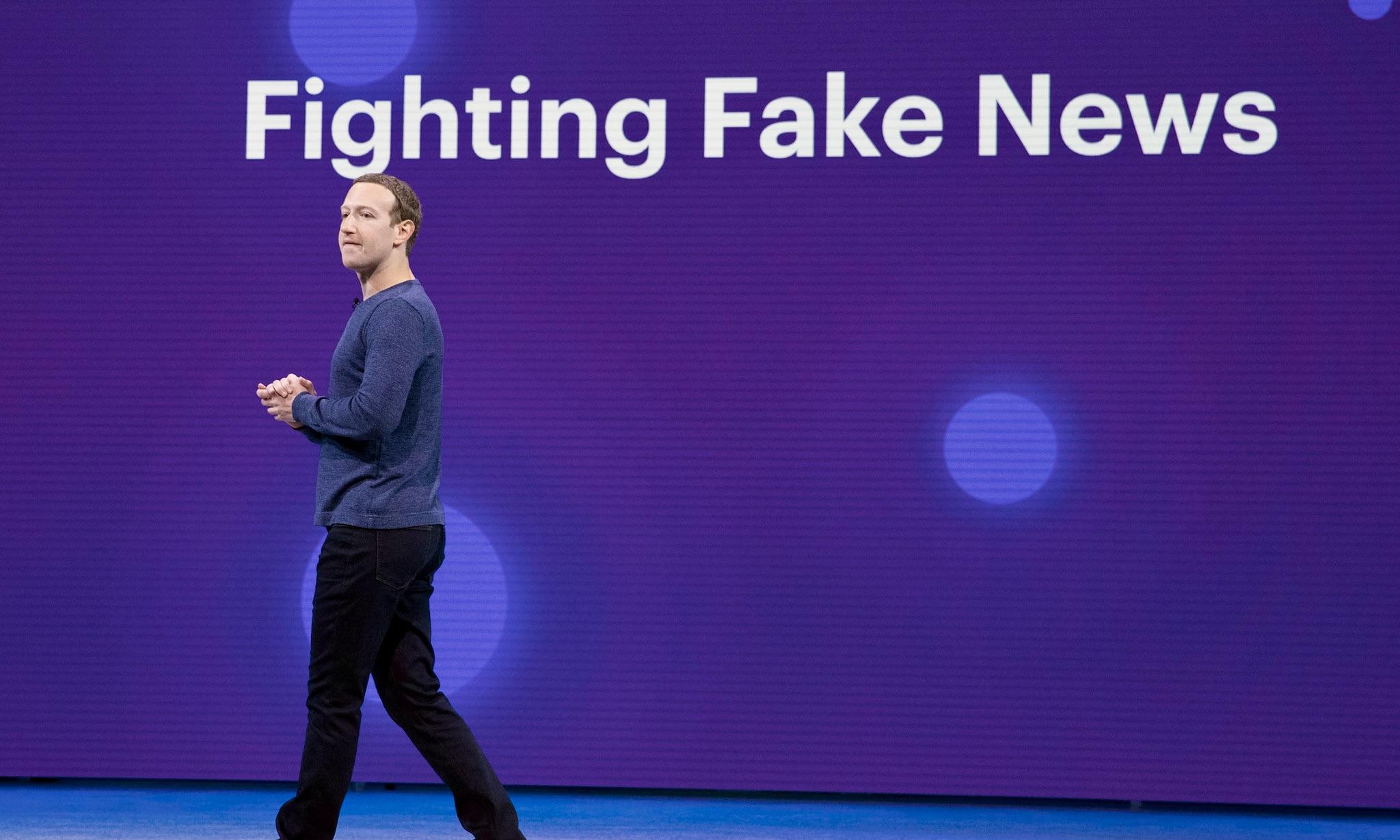
In a stunning revelation, Meta CEO Mark Zuckerberg disclosed that the Biden administration relentlessly pushed the company to censor COVID-19 content during the pandemic, including humorous posts, a move he now regrets complying with.
Zuckerberg Expresses Regret in Judiciary Letter
Mark Zuckerberg, CEO of Meta Platforms, stated that social media business COVID-19 content had been censored at the behest of senior officials in the Biden administration during the pandemic. He further stated that he would resist such an attempt in the future.
In a letter dated August 26, Zuckerberg expressed his remorse for his silence over this pressure and other choices regarding the removal of content from Facebook, Instagram, and WhatsApp to the judiciary committee of the United States House of Representatives.
Judiciary Committee Publishes Zuckerberg’s Letter
According to Reuters, the Judiciary Committee posted Zuckerberg's letter on its Facebook page. "In 2021, senior officials from the Biden Administration, including the White House, repeatedly pressured our teams for months to censor certain COVID-19 content, including humor and satire, and expressed a lot of frustration with our teams when we didn't agree," Zuckerberg wrote.
"I believe the government pressure was wrong, and I regret we were not more outspoken about it," said he. "I also think we made some choices that, with the benefit of hindsight and new information, we wouldn't make today."
A request for response outside of U.S. work hours was not responded to by either the White House or Meta.
Jim Jordan, a Republican serving as committee chairman, was the intended recipient of the correspondence. An admission by Zuckerberg that "Facebook censored Americans" was hailed by the committee as a "big win for free speech" in a Facebook post.
Also in the letter, Zuckerberg stated his intention to "not play a role one way or another" in the next November presidential election by refraining from contributing to electoral infrastructure.
Zuckerberg’s Election Contributions Under Scrutiny
The billionaire's philanthropic venture with his wife, the Chan Zuckerberg Initiative, contributed $400 million to support election infrastructure during the last election in 2020, which was held during the pandemic. This action drew criticism and lawsuits from groups that claimed it was partisan.