


 Iran Plans New Gulf Restricted Zone as Hormuz Tensions Push Oil Higher
  South Korea GDP Surges on Chip and AI Boom
  Russia Seeks to Claw Back Soldier Bonuses After Crimes
  Cuba Says No US Talks as Blockade Costs Hit $8.1 Billion
  US Bans Canadian Alcohol, Motorcycles as Trade War Escalates
  Flavio Bolsonaro Rallies Brazil Opposition Ahead of Election
  Google Changes EU Spam Policy Amid Antitrust Scrutiny
  GLP-1 Weight-Loss Drug Use Surges Among U.S. Children
  China to Inject $45 Billion Into State Financial Institutions
  Trump Imposes New Tariffs on Drone Imports Over US Security Concerns
  Australia Defends Social Media Algorithm Law Amid US Concerns
  Iraq Seeks 6 Million Bpd OPEC+ Oil Quota
  Trump Administration Pauses Visa Appointments Worldwide
  Japan GDP Growth Beats Forecast, Boosting BOJ Rate Hike Bets
  Iran Threatens Gulf Energy Assets as U.S. Tensions Escalate
  Qualcomm Stock Jumps on Amazon AI Chip Deal
  Volkswagen Approves 50,000 More Job Cuts in Major Restructuring


 Add as a preferred source on Google
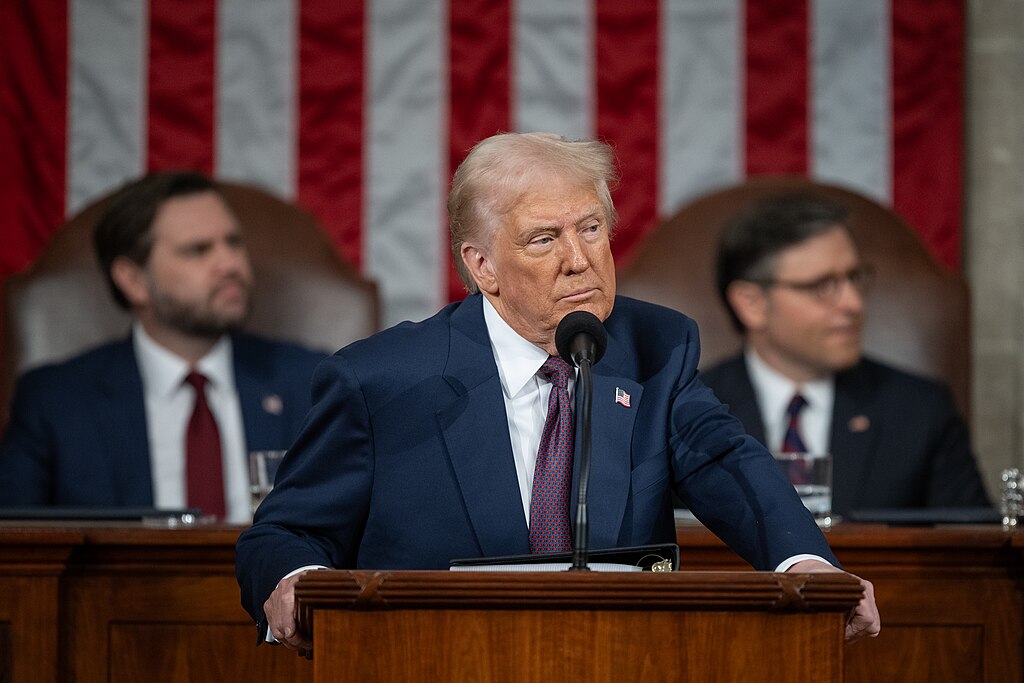
U.S. President Donald Trump announced plans to impose a 25% tariff on all foreign-made cars and light trucks starting April 2, intensifying his protectionist trade agenda. Speaking at the White House, Trump said the move is aimed at bringing automotive manufacturing back to the United States, stating, “Business is coming back to the U.S. so they don’t have to pay tariffs.”
The decision sent shockwaves through the stock market. Shares of major U.S.-listed automakers slumped in after-hours trading. General Motors (NYSE:GM), Ford (NYSE:F), and Stellantis (NYSE:STLA) dropped between 3% and 8%, while Tesla (NASDAQ:TSLA) steadied after a 5% dip. Foreign automakers such as Toyota (NYSE:TM), Honda (NYSE:HMC), and Ferrari (NYSE:RACE) also fell 1% to 3%.
Trump expects global automakers to relocate production to the U.S., citing Hyundai’s recent $21 billion investment, including $5.8 billion for a steel plant in Louisiana. The project is set to create nearly 1,500 jobs and expand U.S. production by 200,000 vehicles.
The administration estimates the tariffs could generate $100 billion in revenue. However, critics warn the cost will fall on local importers, potentially leading to higher car prices, disrupted supply chains, and elevated inflation.
Trump also plans to propose a bill making interest payments on U.S.-made vehicles tax deductible to further incentivize domestic manufacturing.
Investors are bracing for broader economic consequences. On April 2—dubbed “liberation day” by Trump—the president is expected to roll out additional tariffs targeting at least 15 countries, as well as select commodities and key industries like semiconductors and pharmaceuticals.
Economists and the Federal Reserve are expressing concerns that these tariffs could dampen consumer spending and drive inflation higher, adding new uncertainty to the economic outlook.







