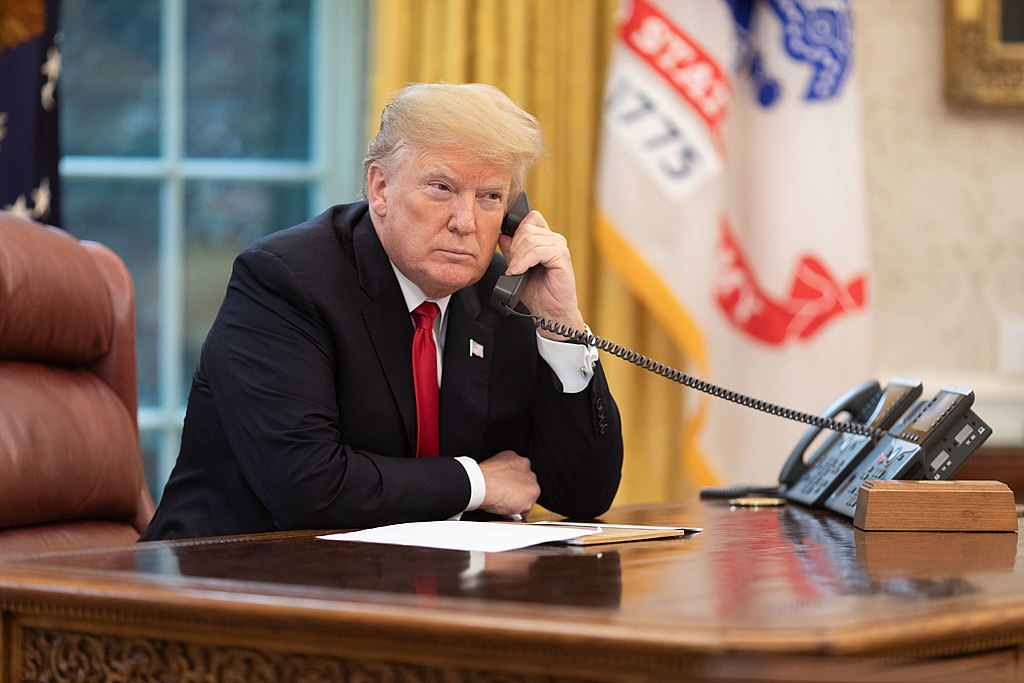
A federal appeals court has upheld a lower court ruling that blocks President Donald Trump’s attempt to freeze $3 trillion in federal grants, loans, and financial assistance. The U.S. Court of Appeals for the First Circuit, based in Boston, unanimously rejected the Trump administration’s argument that the initial injunction was overly broad.
This decision marks the first time an appellate court has ruled on the legality of Trump’s spending freeze—a key policy initiative facing multiple legal challenges. The court’s 48-page decision maintains a March 6 injunction by U.S. District Judge John McConnell, who ruled that the administration overstepped its authority by bypassing Congress.
McConnell, an Obama appointee, stated the freeze violated the Constitution by infringing on Congress’s exclusive power to control federal spending. He asserted that the executive branch had “put itself above Congress,” threatening the balance of power between government branches.
The lawsuit was led by Democratic state attorneys general, who argued the freeze unlawfully blocked crucial financial aid across the country. A separate federal judge in Washington had also issued a similar preliminary injunction in February, further challenging the administration's actions.
The appeals court ruling keeps the freeze on hold as the legal battle continues. The White House has not commented on the decision but may escalate the case to the U.S. Supreme Court, where conservatives hold a majority.
The outcome of this case could set a significant precedent regarding executive power and control over federal funds. With billions in aid at stake, the legal fight underscores ongoing tensions over constitutional authority and separation of powers in U.S. governance.