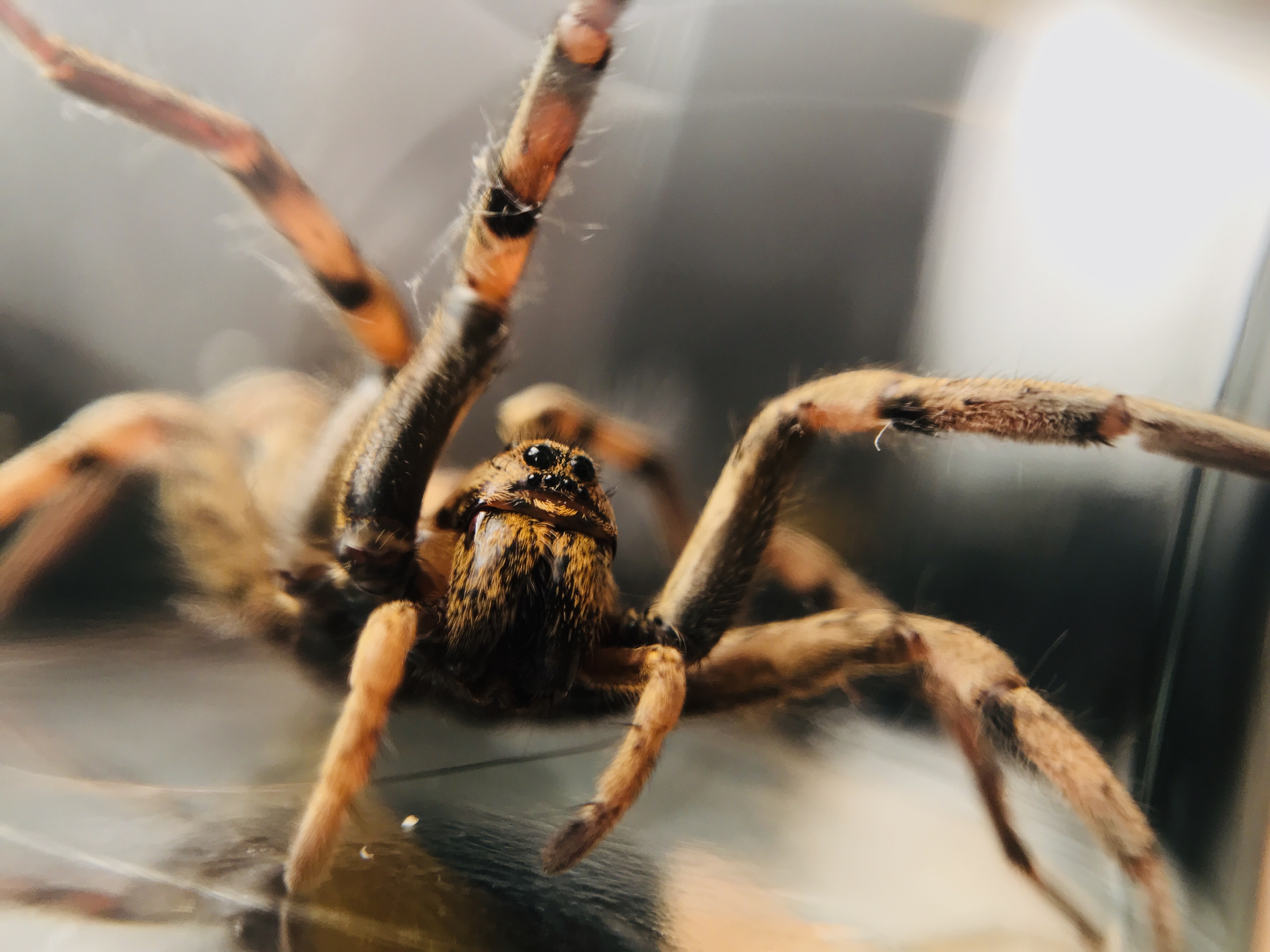
South Korean scientists have developed an artificial intelligence (AI)-based peptide detection model that can predict the antibiotic functionality of peptides antibiotic for hay bacillus, colon bacillus, staphylococcus aureus, and staph.
The research team from the National Institute of Biological Resources and Dongguk University applied the AI model that learned antibiotic peptide data for the transcriptome of the wolf spider’s venom gland and succeeded in exploring two types of new antibiotic peptides.
The spider venom’s peptide has the property of destroying cells and paralyzing nerves, and can thereby be used as a functional material in various areas, including medicines, food, and cosmetics.

Oil Prices Hold Steady as Ukraine Tensions and Fed Cut Expectations Support Market
Asian Currencies Steady as Rupee Hits Record Low Amid Fed Rate Cut Bets
Neuralink Expands Brain Implant Trials with 12 Global Patients
Blue Origin’s New Glenn Achieves Breakthrough Success With First NASA Mission
Eli Lilly’s Inluriyo Gains FDA Approval for Advanced Breast Cancer Treatment
SpaceX Starship Test Flight Reaches New Heights but Ends in Setback
NASA Partners with Katalyst to Save Swift Observatory with Innovative Docking Mission
BOJ Governor Ueda Highlights Uncertainty Over Future Interest Rate Hikes
Gold Prices Steady as Markets Await Key U.S. Data and Expected Fed Rate Cut
Lost in space: MethaneSat failed just as NZ was to take over mission control – here’s what we need to know now
SpaceX’s Starship Completes 11th Test Flight, Paving Way for Moon and Mars Missions
Visa to Move European Headquarters to London’s Canary Wharf
Australia’s Economic Growth Slows in Q3 Despite Strong Investment Activity
Anthropic Reportedly Taps Wilson Sonsini as It Prepares for a Potential 2026 IPO
Gold Prices Edge Higher as Markets Await Key U.S. PCE Inflation Data
Asia’s IPO Market Set for Strong Growth as China and India Drive Investor Diversification