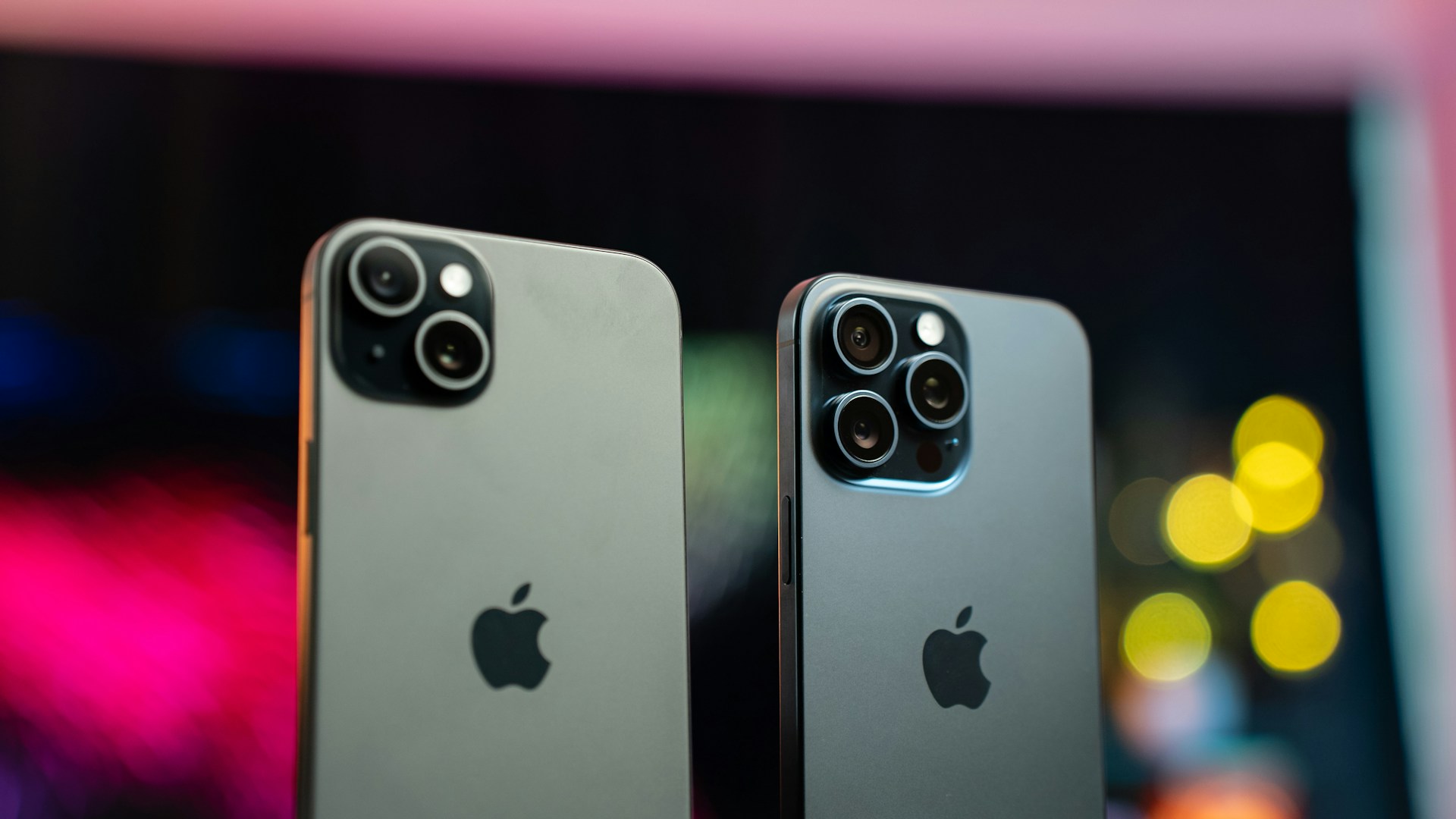
Apple is gearing up to enhance the iPhone 16 with increased RAM for advanced on-device AI capabilities while exploring using NAND flash for similar tasks. In a strategic move, Apple is rumored to partner with China's Baidu to integrate generative AI technology into iOS 18, marking a significant leap in smartphone innovation.
Apple Eyes RAM Boost for iPhone 16 AI Capabilities Amid Challenges and NAND Flash Innovations
The tipster Revegnus did not mention the name of the Korean securities firm. Still, he stated that some analysts believe Apple will increase the memory on these models rather than the internal storage on the iPhone 16.
According to Wccftech, this potential RAM upgrade could significantly enhance the performance of on-device AI if it applies to all upcoming models or just the iPhone 16 Pro and iPhone 16 Pro Max. More RAM is always beneficial when running on-device AI, and it is estimated that future handsets will need 20GB of RAM to perform the same function.
However, having more memory can be counterproductive because it forces companies to redesign the entire logic board, and additional RAM chips can consume more power, resulting in shorter battery life, not to mention having to pay a higher price for the memory. Despite these challenges, Apple's ongoing research on using flash memory and running LLMs demonstrates its proactive approach to innovation.
It is unclear when the first iPhones with this technology will be released, but it appears unlikely that the company will increase the base storage capacity of its iPhones, at least for now.
According to the technology giant's most recent advertisement, 128GB of onboard memory is more than enough for the iPhone 15. While this amount will not bother regular users, it may cause problems in the future, especially if the industry mandates the requirement of supporting on-device AI functionality.
This highlights the evolving nature of technology and the potential need for increased storage capacity in future iPhones, should Apple's researchers fail to enable NAND flash to run Large Language Models.
Apple Bolsters AI Ambitions with Baidu, Aiming for Generative AI Leap in iOS 18
Apple is steadfastly pushing forward with its AI efforts, demonstrating a solid commitment to innovation. It actively seeks collaborations with industry leaders like Google and OpenAI while showing a willingness to leverage technology created by others.
As previously discussed, Apple is set to incorporate some of Google's Gemini AI models ahead of the major iOS 18 release later this year. A recent report by 9to5mac reveals Apple's plans to advance the development of generative AI models further, this time with Baidu, a prominent Chinese company.
iOS 18, still in its early development stages, promises to bring generative AI technology to the iPhone through various channels. Despite entering the industry later than some, Apple is poised to make a significant impact with its AI efforts, set to be unveiled with the release of iOS 18 and the upcoming iPhone 16 lineup.
The Wall Street Journal reports that Apple has been in discussions with Baidu, a Chinese generative AI company, about the potential integration of this technology into the iPhone, further fueling anticipation.
Apple's pursuit of AI excellence extends beyond seeking partnerships. The company has invested significant time and resources in developing its generative AI models, a testament to its commitment to research and development.
These models are set to be seamlessly integrated into various aspects of iOS 18 and the upcoming iPhone 16 lineup, showcasing Apple's dedication to pushing the boundaries of technology. A recent revelation highlights the company's progress, with Apple developing generative AI technology capable of editing, manipulating, and animating still images using natural language commands. This feature may debut in iOS 18's Photos app.
If Baidu decides to collaborate with Apple and integrate its generative AI technology into Apple's ecosystem, it may be able to cater to users in specific Asian regions. Similarly, Google and OpenAI could help Apple in the North American market.
At this point, it is still being determined what type of generative AI technology Apple expects from Baidu, Google, and OpenAI and how it will use it. The company may connect the technology to form a global mesh, seamlessly making information available to the iPhone and other Apple products.
Photo: Amanz/Unsplash