


 TSMC Profit Set to Surge 65% as AI Chip Demand Drives Record Earnings
  Moonshot AI Executives Seek Settlement Ahead of Hong Kong IPO
  Nvidia’s China AI Chip Market Share Falls to 34% as Huawei Gains Ground
  Samsung, SK Hynix Shares Plunge as China Chip Competition Grows
  Apple Cuts iPhone 18 Pro Production Orders Amid Weak Demand
  Apple Supplier Luxshare Sees Limited Impact From US Patent Probe
  US Suspends Microsoft, Adobe From Green Card Program
  Samsung, SK Hynix Shares Fall as China's CXMT Advances DRAM Technology
  Apple Names Steve Smith M&A Chief in Leadership Shakeup
  Meta Launches Muse Wonder AI Models, Shares Rise 3.7%
  Robinhood Chain Eyes Priority Gas Auctions for Faster Trades
  Zcash Plans Quantum-Resistant Security Upgrade for January
  OpenAI Annualized Revenue Hits $50 Billion, Below Earlier Estimates
  Yandex Data Center Hit by Drone Strike as Russia-Ukraine Cyber Infrastructure Attacks Escalate
  Oracle Uses Trucked Natural Gas to Power AI Data Centers Amid Pipeline Delays
  Amazon Cuts More Jobs as AI Investment Expands


 Add as a preferred source on Google
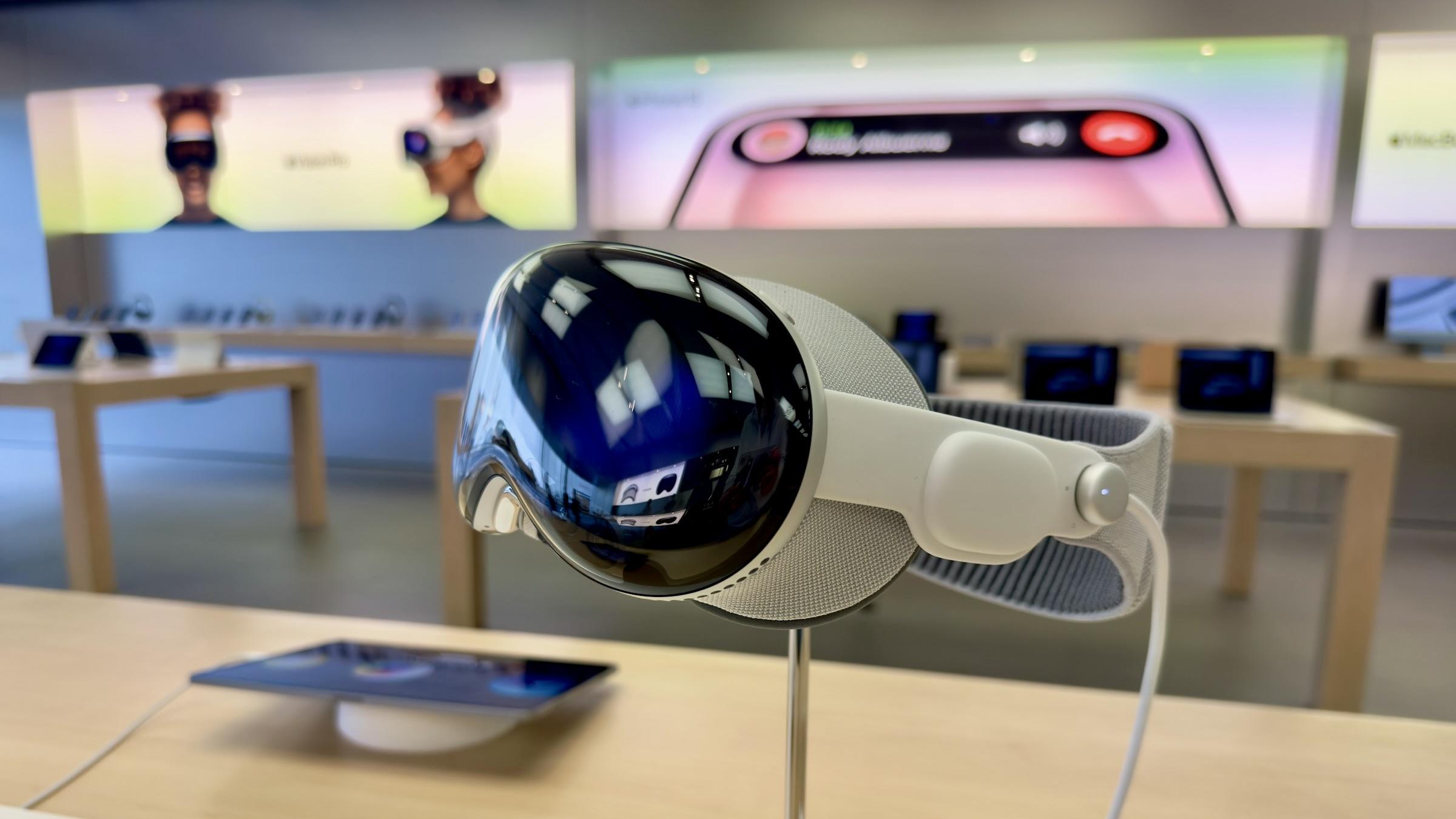
Apple has released updates for iOS 17.4.1, iPadOS 17.4.1, and VisionOS 1.1.1, focusing on critical bug fixes and security improvements. These updates come alongside the major VisionOS 1.1 release, which introduces enhanced Personas and enterprise features, solidifying Apple's commitment to user experience and security.
Apple Rolls Out iOS 17.4.1 and iPadOS 17.4.1: Enhancing Security and Fixing Bugs
On March 21, Apple released minor updates to the iOS 17 and iPadOS 17 operating systems. According to MacRumors, the new software arrived just a few weeks after Apple released iOS 17.4 and iPadOS 17.4, which included app changes in the European Union, new emoji, and more.
iOS 17.4.1 and iPadOS 17.4.1 are available for download over-the-air on eligible iPhones and iPads via Settings > General > Software Update. Customers still on iOS 16 will receive an iOS 16.7.7 security update.
Apple's release notes show that the iOS 17.4.1 update includes significant security and bug fixes. In addition, Apple will likely begin testing iOS 17.5 soon, with betas expected within the next two weeks.
VisionOS 1.1.1 Update Brings Key Security Enhancements and Bug Fixes to Vision Pro
Apple has released VisionOS 1.1.1, a minor update to the operating system that was released in February. It was released two weeks after its predecessor, VisionOS 1.1.
visionOS updates can be installed by going to the Settings app on the Vision Pro, selecting the General section, and choosing Software Update. To install new software, remove the Vision Pro headset, which will show a progress bar on the front EyeSight display.
Apple's release notes state that visionOS 1.1.1 includes "important bug fixes and security updates." The software is recommended for all users.
Major VisionOS 1.1 Update Unveiled: Enhanced Personas and Expanded Enterprise Features
According to an iMore report this month, the first major VisionOS update is available, including some welcome improvements and additions to Apple Vision Pro. VisionOS 1.1 is now available for download, including enhancements to your Persona and enterprise support for email, among other exciting features.
Persona is essential for interacting with others when using Vision Pro, as your avatar when making FaceTime calls, or even when participating in a work conference call on Zoom. Personas have been significantly improved in visionOS 1.1, giving them a lifelike appearance and feel.
According to Apple, version 1.1 improves the appearance of hair and makeup, neck and mouth representation, and EyeSight eye rendering. EyeSight appeared comically bad at launch for many, so we're looking forward to seeing how visionOS 1.1 improves the external display.
Enterprise support for email, contacts, and calendars is also available, allowing businesses to manage mobile devices on Vision Pro in the same way they do on other Apple devices. This simplifies the implementation of Vision Pro in businesses, allowing them to manage device deployment, security, and privacy features.
Photo: David Grandmougin/Unsplash







