


 Apple Supplier Luxshare Faces US Patent Probe, Sees Limited Impact
  TSMC Profit Set to Surge 65% as AI Chip Demand Drives Record Earnings
  Moonshot AI Executives Seek Settlement Ahead of Hong Kong IPO
  OpenAI Uses AI to Uncover Hidden Recording Device, FBI Makes Arrest
  MNX Crypto Exchange Launches Futures for OpenAI, Anthropic Valuations
  Arm Shares Fall Over 3% After Qualcomm Wins License Dispute
  Zcash Plans Quantum-Resistant Security Upgrade for January
  Amazon in Talks to Acquire AI Startup Decart for $7 Billion
  Apple Supplier Luxshare Sees Limited Impact From US Patent Probe
  Samsung, SK Hynix Shares Fall as China's CXMT Advances DRAM Technology
  Trezor Cuts Reseller Network After Ledger Security Breach
  Arm Breaches Qualcomm License Deal, Jury Awards $2
  New York Times, AFP Join Coalition to Protect Content From AI
  Meta Launches Muse Wonder AI Models, Shares Rise 3.7%
  Robinhood Chain Eyes Priority Gas Auctions for Faster Trades
  Elon Musk Eyes Semiconductor Manufacturing Expansion With $15 Billion Terrafab Project
  Arthur Hayes Announces FLOP Testnet Launch Within Weeks


 Add as a preferred source on Google
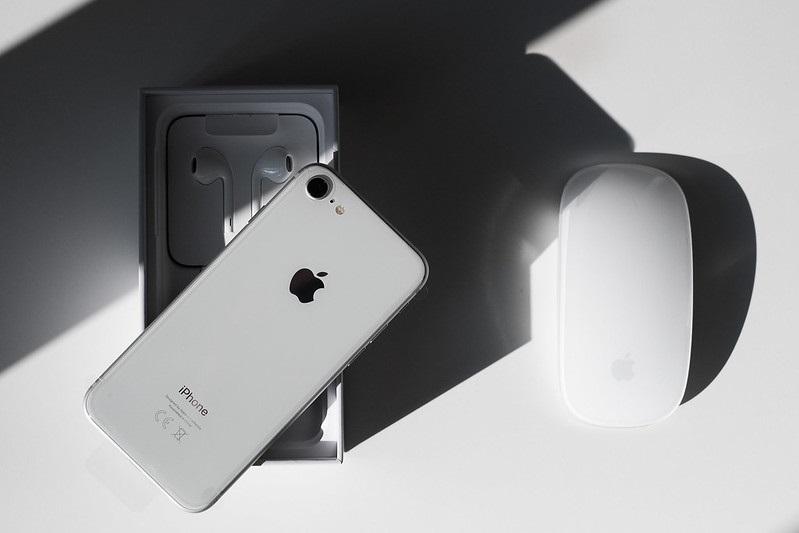
More clues appear online suggesting that the launch of the iPhone 9 (could also be called iPhone SE 2020) is right around the corner. More recently, the delivery date of the iPhone 8 was spotted to be delayed suggesting that it could be to prioritize a new product.
iPhone 9 release date set for April?
Since 2019 until earlier this year, the widely rumored device has been expected to be launched in March. Apple usually holds a spring product launch event in that month, but insider reports claim it was ultimately canceled due to the rising cases of coronavirus infections in the United States.
Reports now have it that Apple has decided to launch the iPhone 9 within April. Tech analyst and well-known leaker Jon Prosser has sources claiming that the device would be officially announced, specifically, on April 15. Of course, everyone would be advised to take it with a grain of salt but it should also be noted that Prosser has a good track record with these mobile leaks.
iPhone 9 update ????
— Jon Prosser (@jon_prosser) March 31, 2020
Per an internal meeting yesterday, Apple is now preparing for an April release.
Tentative dates:
- Announcement on April 15
- Shipments on April 22
Keep in mind: we’re in the middle of a pandemic, and things could change.
Fingers crossed ???? pic.twitter.com/egz8UWXd9F
This week, Prosser also pointed out that the iPhone 8 delivery dates are curiously delayed compared to the iPhone 8 Plus. Since the iPhone 8 is practically the device to be replaced by the iPhone 9, delaying the former’s deliveries could only mean Apple would be prioritizing the launch of a new product soon. This theory sounds more plausible since the iPhone 8 Plus is promised to be delivered a few days earlier than the smaller device in the series.
iPhone 9 specs rumors: What to expect
While the iPhone 9 is expected to look very similar to the iPhone 8, what it has inside will be different. The upcoming device is expected to sport the A13 Bionic or the same processor found on the iPhone 11 series.
Meanwhile, the anticipated form factor also says plenty about the smartphone’s design and features. For one, this means the device would bring back the physical home button and it would rely on the Touch ID for its security feature. Face ID is unlikely for the iPhone 9 since the sensors it requires would immediately bring up its price tag.
iPhone 9 or iPhone SE 2020: What is it going to be called?
Aside from the release date, the device’s official name is still being debated online. Many think that the mere decision to use the iPhone form factor should be enough reason to call it iPhone 9. For a while, the device has also been referred to as the iPhone SE 2. Now, another suggestion emerged that it could be simply called iPhone SE with the “2020” quantifier.
Featured photo by Karlis Dambrans licensed under Creative Commons







