


 Oil Prices Fall as Trump Ceasefire Claim Shifts Market Focus to U.S. CPI
  European Auto Stocks Rise as EU-China Trade Deal Targets Hybrid Imports
  Trump Secures Russian Diesel Deal as US Fuel Prices Surge
  Gold Prices Rise Above $4,200 as Russia-Ukraine Energy Truce Eases Oil Concerns
  Philippines Current Account Deficit Seen at $19.1 Billion in 2026
  Samsung, SK Hynix Shares Plunge as China Chip Competition Grows
  IMF, World Bank Meetings Face Global Economic Risks Amid Iran War
  Deutsche Bank CEO Urges Faster German Economic Reforms
  Bank of America Predicts Yen Rebound as USD/JPY Faces Risks
  UK Finance Minister Healey Calls for Fiscal Discipline Amid Global Risks
  Asian Stocks Plunge as AI Chip Selloff Hits South Korea and Japan
  RBA Signals More Rate Hikes as Inflation Risks Rise
  Asian Currencies Steady as Dollar Nears 18-Month High Ahead of US CPI
  S&P 500 Rally Masks Losses for Over 40% of Stocks in 2026
  US Stock Futures Rise as Oil Prices Fall Ahead of Q3 Earnings
  Fed's Hammack Urges Faster Rate Hikes to Fight Inflation


 Add as a preferred source on Google
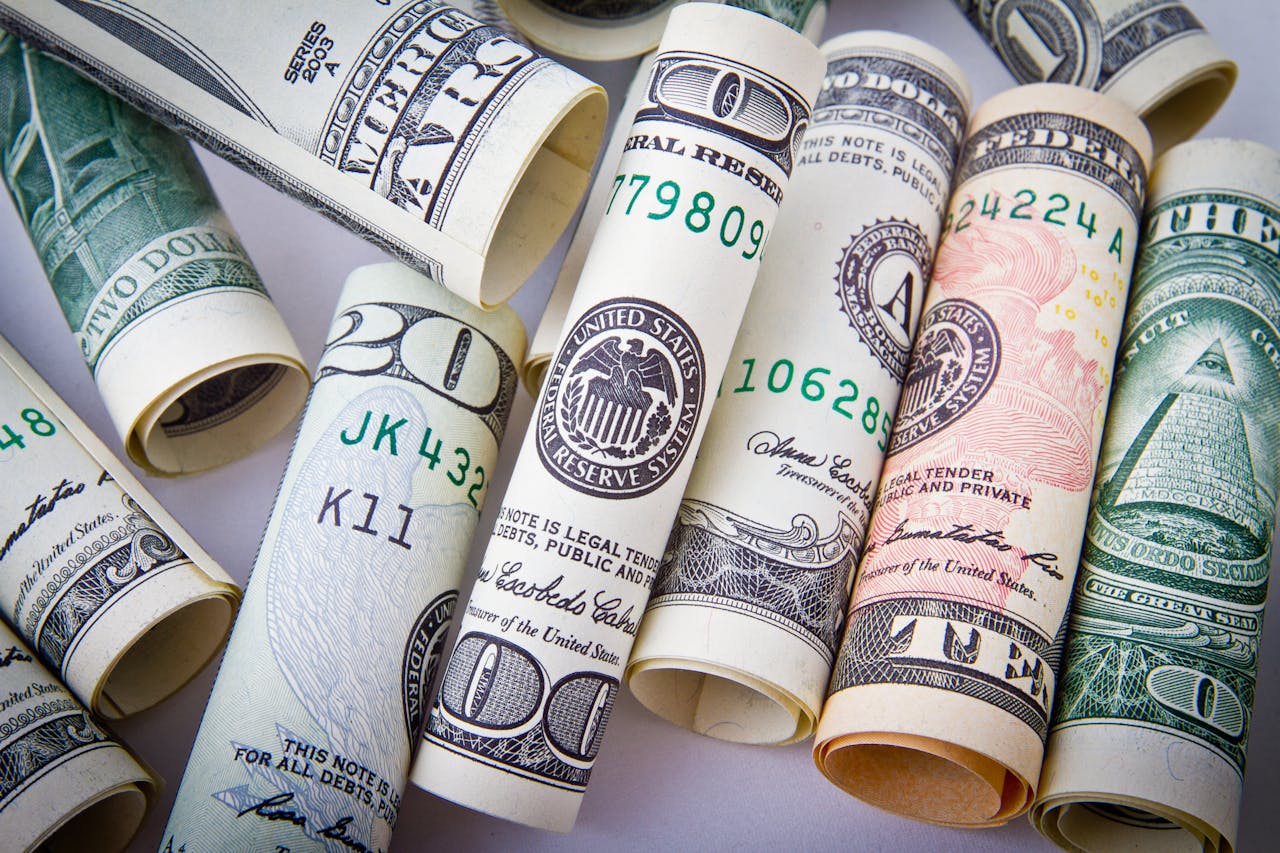
The U.S. dollar strengthened on Wednesday as fresh economic data reinforced expectations that the Federal Reserve could keep interest rates elevated. Investors also assessed remarks from Fed Chair Kevin Warsh, while the euro weakened following softer-than-expected Eurozone inflation data and the Japanese yen hovered near its weakest level in four decades.
The U.S. Dollar Index (DXY), which measures the greenback against six major currencies, climbed 0.2% to 101.39 after recording its fourth consecutive quarterly gain with a 1.2% rise in the second quarter.
Markets remained focused on the Fed’s policy outlook after mixed U.S. labor market reports. Challenger, Gray & Christmas said planned job cuts fell to 45,849 in June, down 53% from May and marking the lowest level since December 2025. Meanwhile, ADP reported that private employers added 98,000 jobs during the month, below forecasts of 118,000 and May’s 122,000 increase.
The labor data followed stronger-than-expected U.S. job openings released a day earlier, while investors awaited the closely watched June nonfarm payrolls report. Policymakers have continued emphasizing inflation as the Federal Reserve’s primary concern, citing a resilient labor market.
Additional support for the dollar came from the Institute for Supply Management. Although the manufacturing PMI eased to 53.3 in June from 54.0 in May, the index remained in expansion territory. The survey also showed manufacturers’ raw material costs declined significantly, with the prices-paid index dropping to 73 from 82.1, suggesting inflation pressures may be easing.
Investors also analyzed comments from Fed Chair Kevin Warsh during the European Central Bank forum in Sintra, Portugal. Warsh avoided offering direct guidance on future interest rates, saying only that policymakers were prepared for a “good family fight” at the Federal Open Market Committee’s July meeting. However, he acknowledged that inflation risks have eased following lower energy prices after the U.S. and Iran reached an interim peace agreement.
Despite softer inflation risks, traders continued to expect the Fed to maintain a hawkish stance. Treasury yields moved higher as bonds sold off, reflecting expectations that borrowing costs could remain elevated.
Interactive Brokers senior economist José Torres said Warsh’s remarks were largely neutral but reinforced confidence in the Fed’s focus on controlling inflation while economic activity and employment remain strong. He added that recent hiring data, declining layoffs, and continued manufacturing expansion supported the dollar’s advance.
The euro fell 0.4% to around $1.1380 after Eurozone inflation slowed more than expected in June. Consumer prices increased 2.8% annually, down from 3.2% in May and below economists’ forecasts of 3.0%. Core inflation also cooled, strengthening expectations that the European Central Bank may eventually adopt a less aggressive policy stance.
ECB President Christine Lagarde defended last month’s interest rate increase, saying policymakers acted because economic conditions justified the decision. However, analysts noted that a stronger U.S. dollar and weaker euro could increase imported inflation by raising the cost of dollar-priced commodities such as crude oil.
Meanwhile, the Japanese yen remained under pressure, with USD/JPY trading near 162.5, its weakest level since 1986. The currency failed to gain support despite stronger business sentiment in the Bank of Japan’s Tankan survey and continued expansion in manufacturing activity.
The yen’s persistent weakness has fueled speculation that Japanese authorities could intervene again in currency markets. Officials recently reiterated that previous interventions had been effective, while investors remain alert for any action if the yen continues to depreciate.
Market attention now turns to the U.S. nonfarm payrolls report and developments surrounding the Strait of Hormuz, both of which are expected to influence the outlook for the U.S. dollar, the euro, the Japanese yen, and broader global currency markets.







