The United States has introduced new travel restrictions tied to the ongoing Ebola outbreak in the Democratic Republic of Congo (DRC), preventing U.S. citizens and nationals who have been in the country within the previous 21 days from boarding commercial flights bound for the United States.
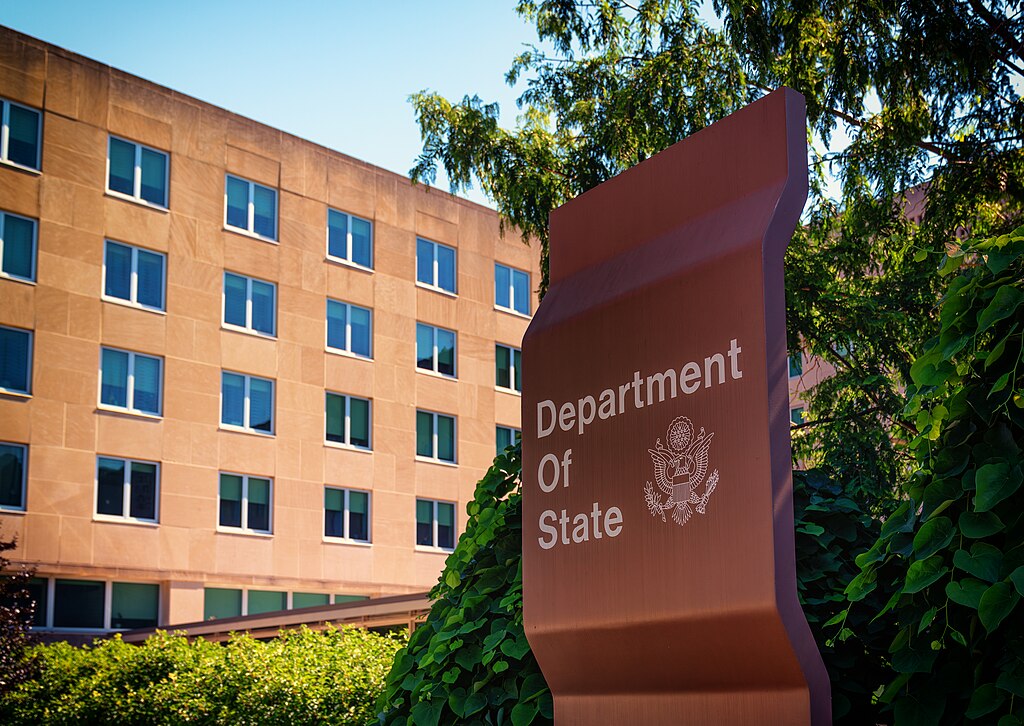
The U.S. State Department confirmed the measures on Wednesday, following reports that the Trump administration had imposed stricter entry rules to reduce the risk of Ebola transmission. According to the U.S. Embassy in the DRC, travelers who have been in Congo during the 21 days before their scheduled departure will not be permitted to board commercial flights to U.S. destinations.
The embassy also advised American citizens and U.S. nationals currently in the DRC to remain outside the country for at least 21 days before attempting to return to the United States. The policy applies regardless of citizenship status if travelers have recently been in the affected country.
The restrictions come as Congo continues to battle a worsening Ebola outbreak that has spread across multiple provinces. Official figures released by Congolese authorities on Sunday showed 1,926 confirmed Ebola cases nationwide, including 702 deaths, underscoring the severity of the public health emergency.
The move has sparked concern among some public health experts. Dr. Daniel Jernigan, a former senior official at the U.S. Centers for Disease Control and Prevention who helped lead the U.S. response during the 2014–2015 West Africa Ebola epidemic, described the policy as unprecedented when applied to U.S. citizens with little or no risk of infection.
Jernigan warned that preventing Americans from returning home through commercial aviation could create unintended consequences. He said the policy may shift medical and public health responsibilities to other countries, encourage travelers to hide their recent travel history or potential exposures, and make it more difficult to recruit American healthcare professionals and outbreak responders for Ebola response efforts.
The new restrictions highlight the Trump administration’s efforts to strengthen border health measures while balancing disease control with the challenges of international travel and global public health cooperation.