


 Trump Claims Iran Sought Ceasefire as Middle East War Escalates
  Bank of Japan Eyes Further Rate Hikes Amid Middle East Tensions and Inflation Pressures
  Apple Turns 50: From Garage Startup to AI Crossroads
  Google's TurboQuant Algorithm Sends Memory Chip Stocks Tumbling
  Norma Group Posts Revenue Decline in 2025, Eyes Modest Recovery in 2026
  Microsoft Eyes $7B Texas Energy Deal to Power AI Data Centers
  Annie Altman Amends Sexual Abuse Lawsuit Against OpenAI CEO Sam Altman
  U.S. Dollar Climbs as Trump Escalates Rhetoric Against Iran
  McDonald's and Restaurant Brands International Face Headwinds Amid Iran Conflict and Rising Costs
  SMIC Allegedly Supplies Chipmaking Tools to Iran's Military, U.S. Officials Warn
  U.S. Job Market Braces for Slow Recovery Amid Middle East Tensions and Economic Uncertainty
  MATCH Act Targets ASML and Chinese Chipmakers in New U.S. Export Crackdown
  First Western Ship Transits Strait of Hormuz Since Iran War Began
  U.S. Stock Futures Stabilize Ahead of Good Friday as Investors Eye Jobs Report
  China's Services Sector Maintains Growth Streak Despite March Slowdown
  Ukrainian Drones and the #MadeByHousewives Movement: Kyiv Fires Back at Rheinmetall CEO
  Oil Prices Climb as Middle East Conflict Keeps Supply Risks Elevated


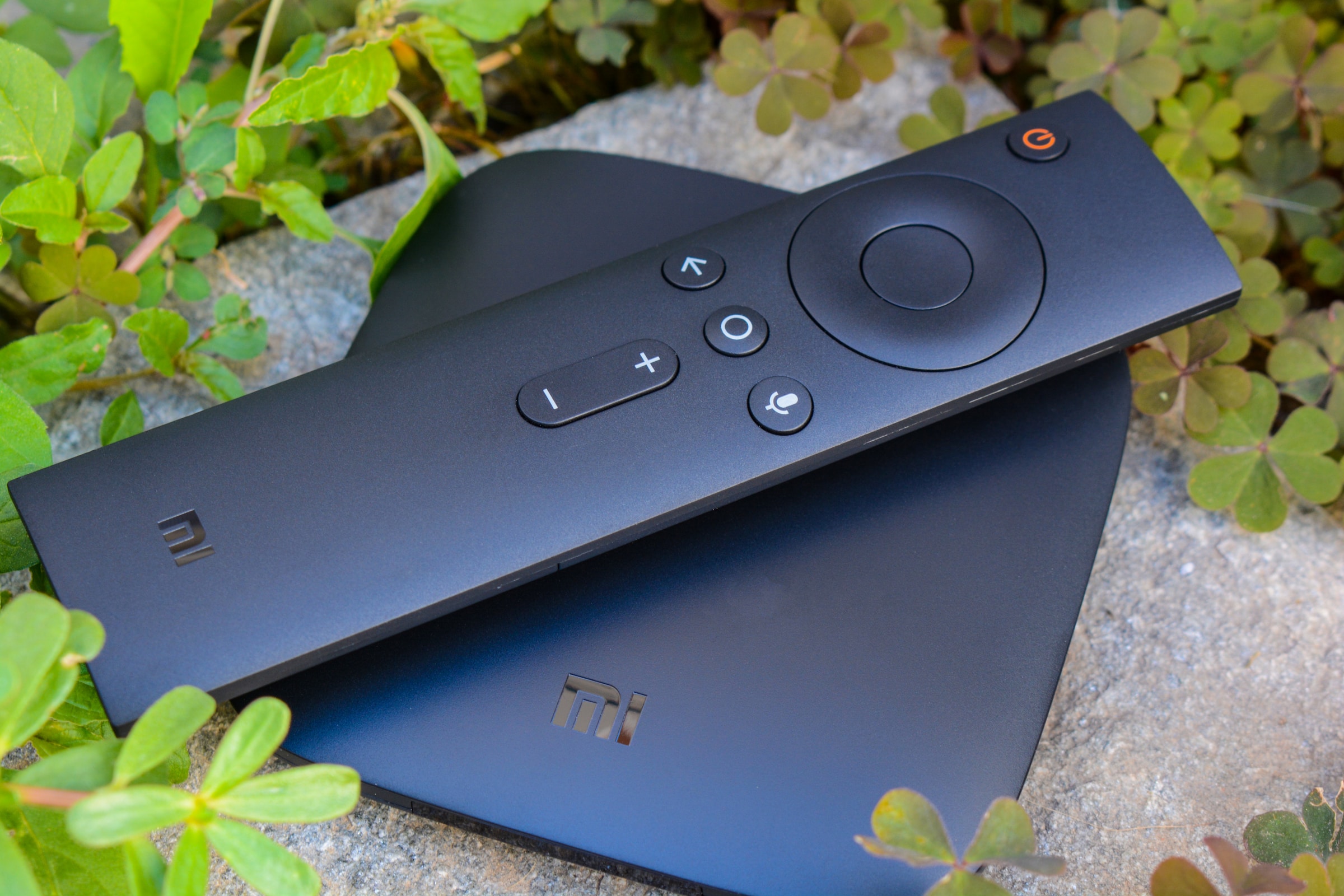
Xiaomi is strategically shifting to enhance offline retail sales in India, an effort to rebound in the face of Samsung's lead. The company's decision underlines its intent to leverage India's still significant brick-and-mortar smartphone market, even as online sales boom.
The e-commerce sales boom in India, primarily led by Amazon and Flipkart, has enabled the Chinese smartphone company to expand its reach in one of the world's fastest-growing markets, which boasts 600 million smartphone users.
Although online sales now account for 44% of India's smartphone sales, Xiaomi recognizes that the brick-and-mortar segment remains significant and expects it to grow further. Muralikrishnan B., Xiaomi's India head, emphasized the brand's lower market position in offline sales than online. He acknowledged the strong competition from competitors with a larger market share.
Recent data from Hong Kong-based Counterpoint Research indicates that only 34% of Xiaomi's India unit sales this year have been through retail stores, with the majority coming from the brand's dominant online sales channel. In contrast, Samsung achieves 57% of its sales from physical stores.
To counter this imbalance, Xiaomi plans to broaden its store network beyond the existing 18,000 locations. Additionally, the company intends to establish partnerships with phone vendors to offer a wider range of products, such as Xiaomi TVs or security cameras, where Muralikrishnan believes less intense competition exists.
Interestingly, while displaying Xiaomi's bright orange branding outside the shops, Xiaomi discovered that some partner stores were prominently showcasing rival brands inside. This marketing issue will be addressed to ensure consistent messaging for the brand.
Xiaomi's offline push comes as it seeks to regain its leadership position from Samsung, whose portfolio of premium phones has gained popularity. Samsung currently holds a 20% market share in India, while Xiaomi, historically renowned for its budget-friendly phones, commands 16%.
Counterpoint analyst Tarun Pathak highlights the significance of offline sales, especially as India embraces the premiumization trend. Consumers who are willing to spend more desire the look and feel of a premium product.
To support the offline expansion, Xiaomi plans to hire more store promoters to engage and sell phones to prospective buyers inside the outlets. The company aims to triple the number of promoters by the end of next year.
Aside from market competition, Xiaomi also faces the challenge of a federal agency's freeze on its bank assets, which amount to $673 million. The agency alleges that Xiaomi engaged in illegal remittances to foreign entities.
Xiaomi's strategic shift towards offline sales and expanding its physical store network demonstrates its commitment to regain market share in India. By focusing on partnerships, enhancing branding consistency, and investing in store promoters, Xiaomi aims to leverage the offline segment and cater to the growing demand for premium products in the country.
Photo: Panos Sakalakis/Unsplash







