The Association of Southeast Asian Nations (ASEAN) will host world leaders this weekend in Kuala Lumpur for a pivotal summit that coincides with high-stakes U.S.-China trade talks. The meeting marks the start of U.S. President Donald Trump’s five-day Asia tour, aimed at strengthening diplomatic and economic ties across Malaysia, Japan, and South Korea.
At the summit, ASEAN will advocate for trade multilateralism and stronger global partnerships, even as the bloc navigates the effects of Washington’s global tariff measures. Leaders attending include China’s Premier Li Qiang, Brazil’s President Luiz Inácio Lula da Silva, South Africa’s Cyril Ramaphosa, and Japan’s new Prime Minister Sanae Takaichi. Malaysia’s Prime Minister Anwar Ibrahim said the summit reflects ASEAN’s growing diplomatic outreach to regions like Africa and Latin America. East Timor, also known as Timor-Leste, will be officially welcomed as ASEAN’s 11th member, a symbolic milestone for the young nation.
A key highlight will be a peace agreement between Thailand and Cambodia following deadly border clashes in July. Mediated by Malaysia and supported by Trump, the ceasefire deal—requiring mine and artillery removal—will be signed Sunday in Trump’s presence.
However, ASEAN remains divided over Myanmar’s ongoing civil conflict, with ministers debating whether to send observers to the country’s upcoming election, which critics have condemned as illegitimate.
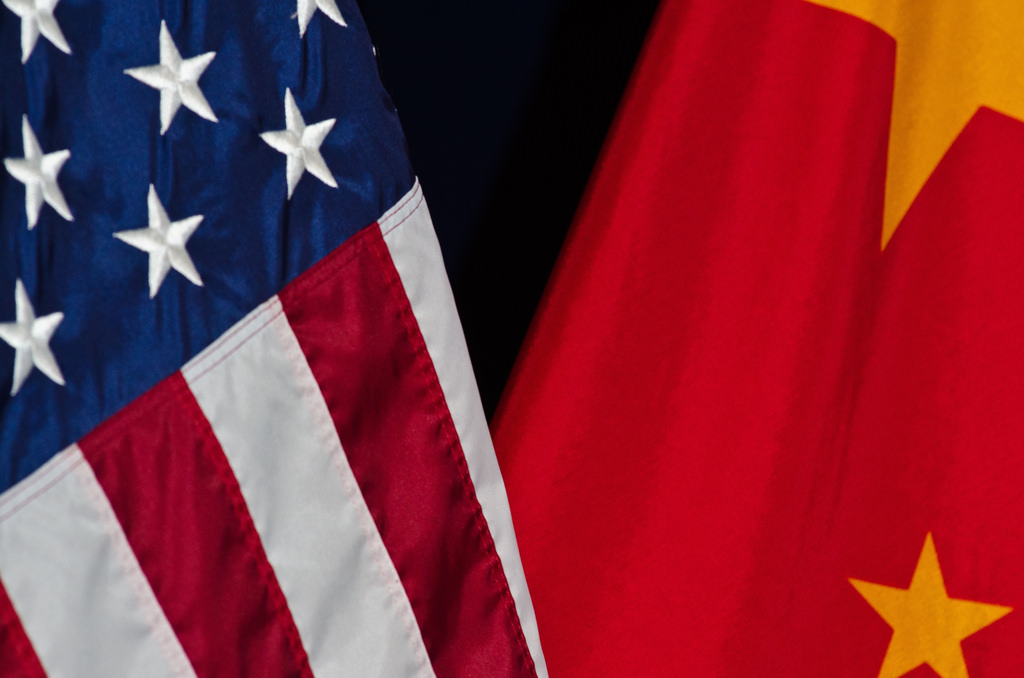
Trade tensions between the U.S. and China will dominate discussions. U.S. Treasury Secretary Scott Bessent and Trade Representative Jamieson Greer are meeting Chinese Vice Premier He Lifeng to ease disputes over tariffs and export controls ahead of Trump’s meeting with President Xi Jinping. ASEAN leaders will also hold a rare joint economic meeting to discuss the impact of U.S. tariffs—ranging from 10% to 40%—and explore deeper trade cooperation.
Malaysia will additionally host the Regional Comprehensive Economic Partnership (RCEP) summit, as member nations seek balance amid shifting global trade dynamics.