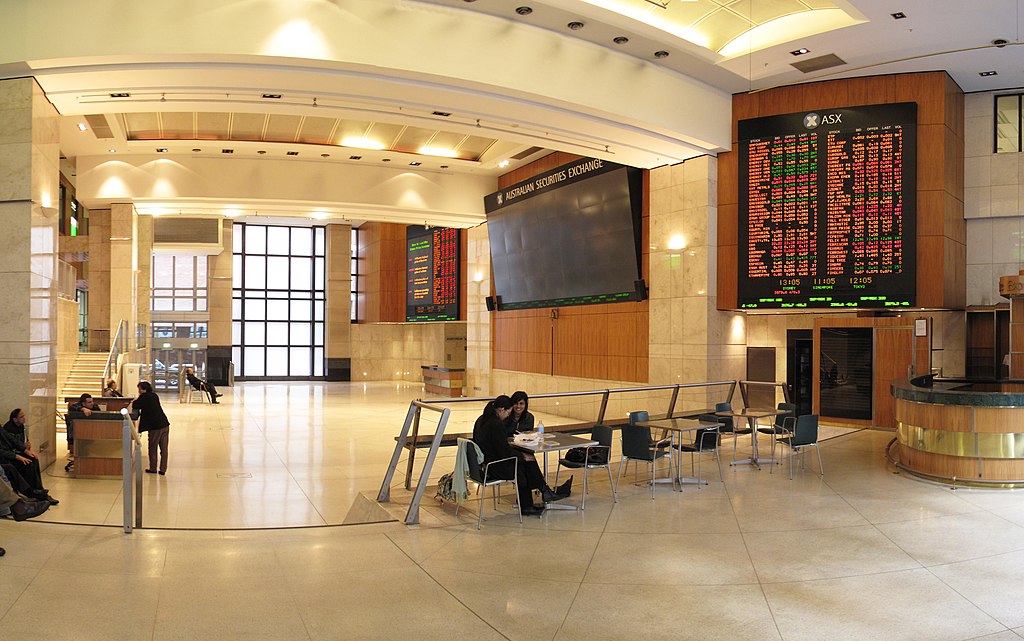
Shares of the Australian Securities Exchange (ASX:ASX) fell on Tuesday after the Australian Securities and Investments Commission (ASIC) granted approval for Cboe Global Markets Inc. (NYSE:CBOE) to operate as a listing market in Australia. The decision marks a major step toward increasing competition in the country’s stock exchange sector, which has long been dominated by the ASX.
ASX shares declined as much as 1.7% to A$57.85, their lowest point since June 2024, as investors reacted to the regulatory shift. Cboe Australia, a subsidiary of the Chicago-based exchange operator, can now list new companies on its platform, directly challenging ASX’s long-held monopoly on company listings.
ASIC Chair Joe Longo welcomed the move, saying it would “provide more choice for companies to list in Australia, build stronger connections to international markets, and offer greater options for investors,” ultimately benefiting the broader Australian economy.
Originally launched in 2011 as Chi-X Australia, Cboe Australia has operated as an alternative trading venue for ASX-listed securities. Cboe acquired Chi-X in 2021 and has since expanded its market presence. The platform currently handles around 20% of Australia’s equity market turnover, averaging roughly A$2 billion (US$1.32 billion) in daily trades.
The approval comes as ASIC intensifies its efforts to enhance competition and transparency in the financial markets. The regulator has also increased its scrutiny of ASX’s market infrastructure after the exchange faced heavy criticism for a failed software upgrade project.
Cboe now joins three other authorized listing markets in Australia—the ASX, National Stock Exchange of Australia, and Sydney Stock Exchange—signaling a new era of competition in the Australian equities landscape.