The governing Taliban administration in Afghanistan has ordered a ban on female students from taking university entrance exams. The ban marks the latest in the insurgent group’s restrictive policies against women and education.
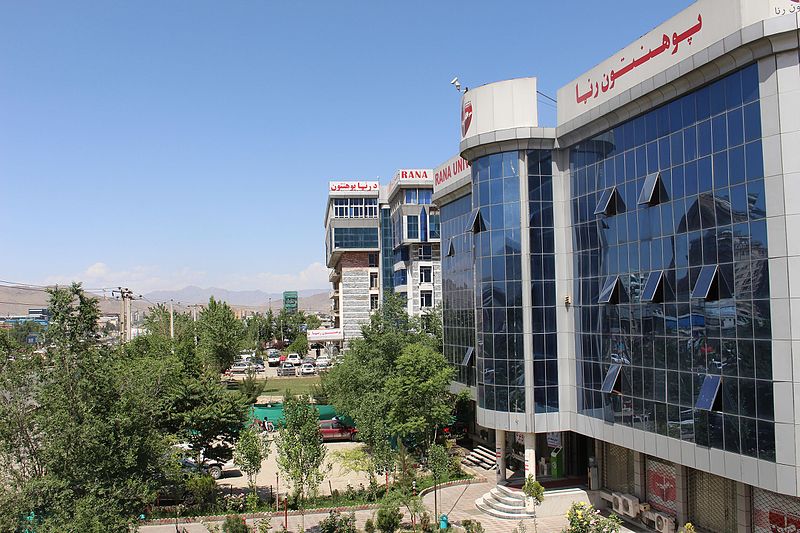
The Taliban-backed ministry of higher education ordered private universities in Afghanistan to bar female students from taking entrance exams. The ministry addressed several universities in northern Afghanistan, including the capital Kabul, where exams are set to take place by the end of February. The ministry warned that those who do not comply with the order would face legal action.
This follows the ban by the Taliban-run ministry back in December on female students attending universities “until further notice.” The Taliban administration put a ban on female aid workers shortly after. Most high schools for girls have also been shut down by the authorities.
The latest restrictions on women and girls have resulted in widespread condemnation even from predominantly Muslim countries even as the group seeks to be recognized internationally. Western diplomats have made clear that the Taliban would need to uphold the rights and freedoms of women in order to gain international recognition.
Afghanistan has since been in an economic crisis since the Taliban returned to power in 2021, with international sanctions imposed on its banking sector and cuts in development funding. Aid agencies have warned that tens of thousands of Afghans are in need of aid.
Friday last week, thousands of Afghans took to the streets to protest against the actions of a far-right anti-immigrant politician, who burned a copy of the Koran during protests near the Turkish embassy in Sweden. The Koran burning was done by Rasmus Paludan, the leader of the Danish far-right party Hard Line, during the protests in Sweden’s capital Stockholm against Turkey and Sweden’s bid to join the NATO alliance. Paludan, who also holds Swedish citizenship, has previously held demonstrations where he burned a copy of the Koran.
The Afghan foreign ministry has since called on the Swedish government to punish the politician and prevent any similar incidents from happening in the future. Swedish foreign minister Tobias Billstrom condemned the burning, saying that the Islamophobic provocations were appalling.
The United Nations Alliance of Civilizations has also condemned the incident, and the spokesperson for the United States State Department said that the Koran burning was a “deeply disrespectful act.”