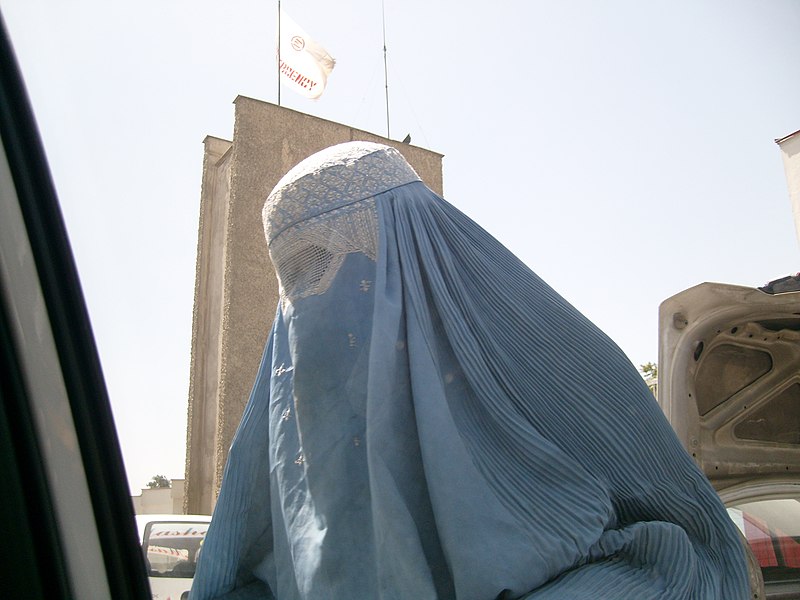
The United Nations aid chief visited Afghanistan’s capital Kabul this week, relaying concerns about the Taliban administration’s policies targeting women. The concerns follow the Taliban’s latest policies that barred women from participating in humanitarian work and attending university.
UN Under-Secretary-General for Humanitarian Affairs Martin Griffiths visited Kabul on Monday and met with the Taliban’s acting minister of foreign affairs. During the meeting, Griffiths raised concerns over women’s education and work and how the Taliban’s policies affected UN operations, according to the statement by the Afghan foreign affairs ministry.
UN spokesman Stephane Dujarric said Griffiths would continue to engage with the Taliban administration “with the same message we’ve been delivering since the beginning on the need to rollback the policies that were put in place” on women in Afghanistan.
Griffith’s visit follows last week’s visit by UN Deputy Secretary-General Amina Mohammed to Afghanistan, who expressed concerns to Taliban officials in Kabul and the Kandahar province over the policies that restricted women from aid work and education.
Afghan acting foreign affairs minister Amir Khan Muttaqi said he asked Griffiths to share with the international community the “achievements and opportunities” of the Taliban administration, including granting a general amnesty for former opponents rather than “complaints and shortcomings.” The statement by the ministry also said the UN aid chief acknowledged the improved security in the country.
The Taliban administration has yet to receive recognition from the international community as diplomats have said the insurgent group must change its stance on women’s rights. Many other countries have also raised concerns about the Taliban’s policies on women and girls, such as barring girls over the age of 12 from attending schools or universities.
Mohammed went on a four-day visit to Afghanistan, the UN said Friday last week, issuing a statement after the trip making clear the consequences of restricting women and girls to their homes.
“My message was very clear: While we recognize the important exemptions made, these restrictions present Afghan women and girls with a future that confines them in their own homes, violating their rights, and depriving the communities of their services,” said Mohammed in her statement.