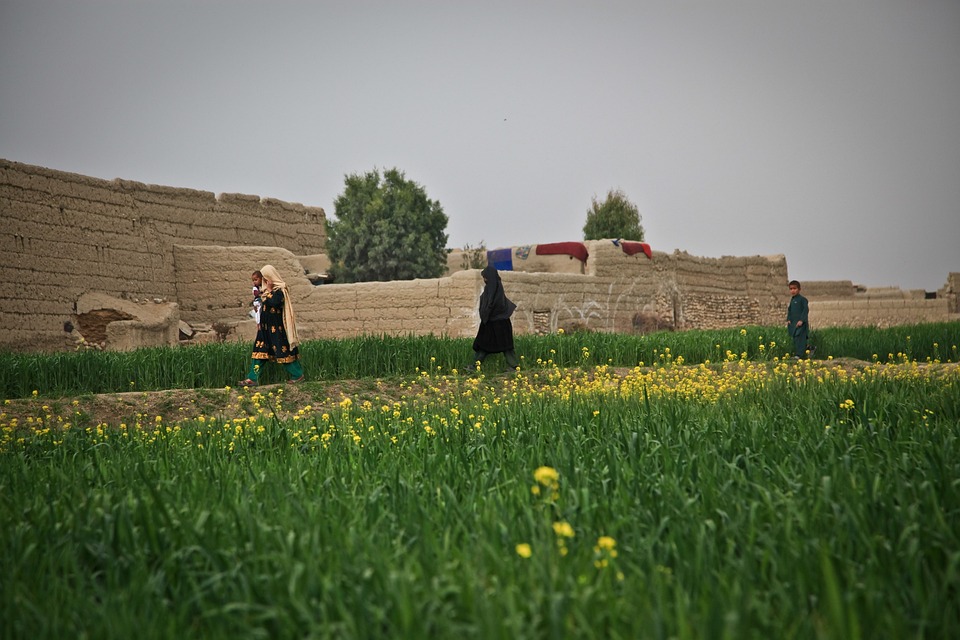
The United Nations has predicted that Afghanistan’s economy may contract and lead to rising inflation and falling liquidity should there be a 30 percent drop in international aid. The potential drop in aid to Afghanistan comes as donors assess the global crises and the restrictions on women by the Taliban administration.
The UN development agency said in an analysis published on Tuesday that should there be a sharp drop in international aid to Afghanistan by 30 percent, the Afghan economy may contract and result in rising inflation and falling liquidity. The UN said this might be the case as donors evaluate global crises and the increasing restrictions on women by the Taliban authorities in Afghanistan, having recently expanded its ban on Afghan women aid workers to Afghan women working in the UN.
“This will cause an exchange rate devaluation, another contraction in liquidity, banks and informal credit will face more problems…inflation will go up and domestic demands will go down, leading to more poverty and less growth,” UNDP’s Resident Representative for Afghanistan Abdallah Al Dardari told Reuters. “The country finds itself in a poverty trap.”
The analysis said the per capita annual income may fall to $306 in 2024, marking a 40 percent drop since 2020, making Afghanistan one of the poorest countries in the world. Afghanistan’s humanitarian aid plan is only five percent funded for 2023, with $251 million out of the requested $4.6 billion.
The Taliban administration’s expansion on the banning of Afghan women workers to the UN has worsened fears that donors would pull out from Afghanistan. The UN has since told its Afghan staff not to report to work as it reviews its current operations. The insurgent group has said its decisions on female workers are an “internal issue” and that foreign governments should reduce the restrictions and unfreeze the country’s central bank assets.
On the same day, the foreign ministers of the G7 countries condemned the Taliban’s “systematic abuses of human rights of women and girls” during a ministerial gathering in Japan. The ministers also condemned the Taliban’s bans on women from pursuing higher education and work, calling on the insurgent group to reverse its bans on women aid workers and students.