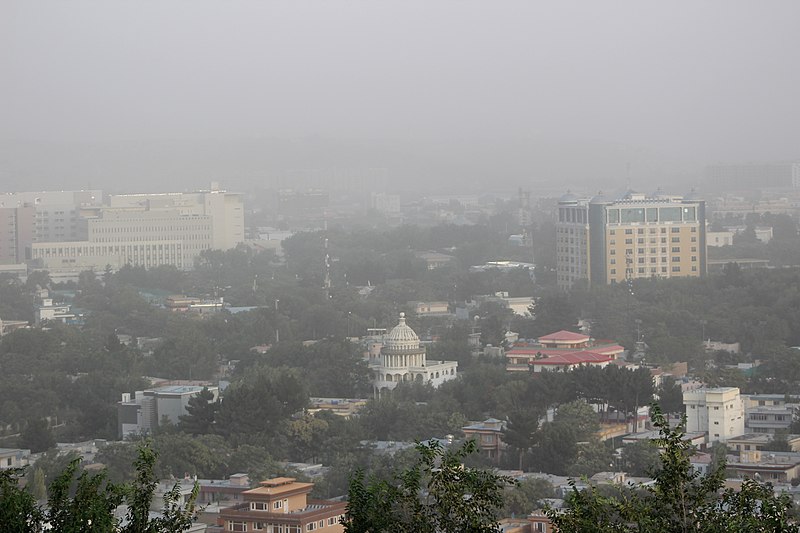
A United States watchdog overseeing Afghanistan’s reconstruction said this week that it could not be determined whether the aid Washington has allocated for Afghanistan is going to its people instead of the Taliban authorities. The watchdog has also cited the lack of transparency from the country’s federal agencies as a reason.
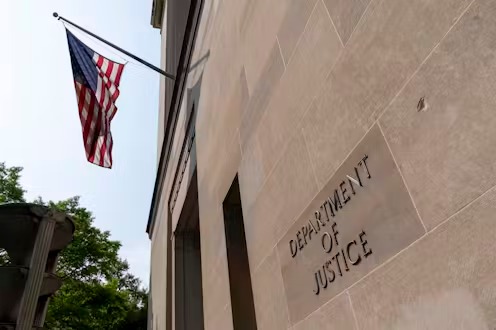
The US Special Inspector General for Afghanistan Reconstruction head John Sopko criticized the federal agencies during a hearing by the House Oversight Committee. Sopko accused the State Department and other agencies of failing to provide the necessary information that would allow the watchdog to carry out its oversight duties. SIGAR is tasked with overseeing that the $8 billion that Washington has allocated to Afghanistan is actually going to the Afghan people instead of the Taliban.
“I cannot report to this Committee or the American people on the extent to which our government may be funding the Taliban and other nefarious groups with US taxpayer dollars,” said Sopko during the hearing. “We simply do not know because the State Department, USAID, the UN, and other agencies are refusing to give us basic information that we or any other oversight body would need to ensure safe stewardship of tax dollars.”
Sopko went on to accuse the State Department of “obfuscation and delay” and said the lack of cooperation was “unprecedented” in his 12 years in the post.
White House Press Secretary Karine Jean-Pierre responded to Sopko’s testimony, saying that the Biden administration has “consistently provided updates and information” about the spending. Jean-Pierre cited the “thousands of pages of documents, analysis, spreadsheets, and written responses to questions,” including congressional testimony and “hundreds of briefings to bipartisan members and also their staff.”
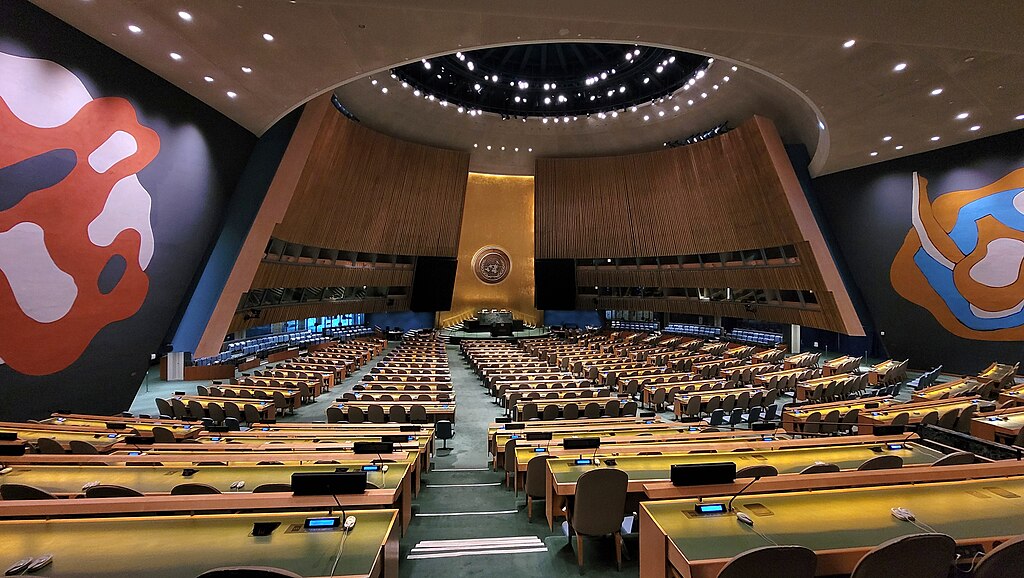
Meanwhile, the United Nations said on Wednesday that UN Chief Antonio Guterres would convene the international envoys for Afghanistan in May to work on a unified approach to dealing with the Taliban administration. The closed-door meeting will take place in Doha, Qatar, from May 1-2 as UN deputy chief Amina Mohammed suggested earlier this week that the meeting “could find those baby steps to put us back on the pathway to recognition” of the insurgent group but with conditions.
However, a US official familiar with the matter said the upcoming meeting was not to discuss the recognition of the insurgent group as the country’s government and that any attempt at discussion of such would be “unacceptable.”