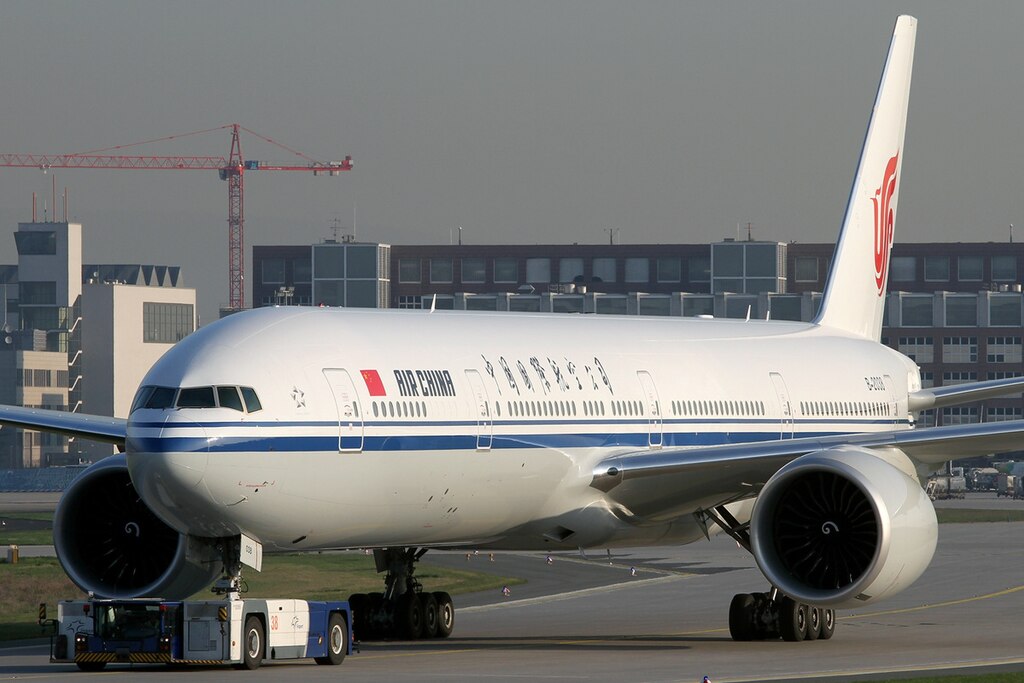
Air China, China’s flagship airline, has announced a major aircraft purchase agreement with Airbus, confirming an order for 60 A320neo jets in a deal valued at approximately $9.5 billion based on list prices. The agreement, disclosed in a filing to the Shanghai Stock Exchange, involves both Air China and one of its subsidiaries and marks another significant boost for Airbus in the world’s second-largest aviation market.
According to the filing, deliveries of the A320neo aircraft are scheduled to take place in phases between 2028 and 2032. Airbus welcomed the decision, stating it was pleased that Air China had chosen to expand its fleet with additional A320-family aircraft, which are widely known for their fuel efficiency and suitability for short- and medium-haul routes.
The Air China order is part of a broader wave of Airbus purchases announced this week by Chinese carriers, including Spring Airlines and Juneyao Airlines. These deals underscore Airbus’s growing dominance in China at a time when geopolitical tensions continue to shape global aircraft procurement strategies.
Industry analysts point out that the purchase stems from a framework agreement signed in 2022 between China Aviation Supplies Holding Company (CASC) and Airbus. That earlier deal covered 132 A320-family aircraft and eight A350 widebody jets, with a combined value of around $17 billion. Li Hanming, a U.S.-based independent aviation analyst, noted that while the framework agreement set the foundation, negotiations for individual airline contracts often take considerable time to finalize.
The latest announcement also highlights the shifting competitive landscape in China’s aviation sector. Ongoing tensions between Beijing and Washington have made it difficult for Boeing to secure new aircraft orders from Chinese airlines, giving Airbus a clear advantage in one of the most strategically important markets for global aviation growth.
With air travel demand in China continuing to recover and expand, the Air China Airbus deal signals strong confidence in future passenger growth and reinforces Airbus’s position as the leading aircraft supplier in the Chinese market.