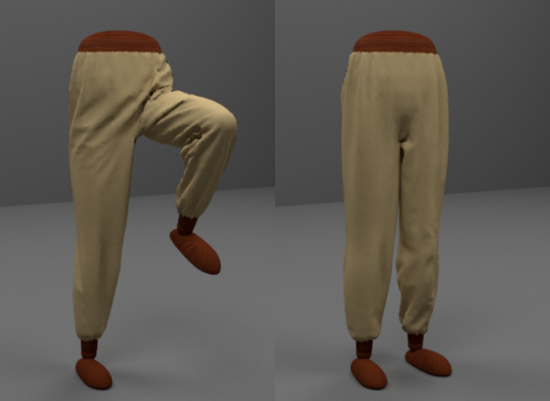
The Korea Electrotechnology Research Institute (KERI) has developed a device that allows clothes and shoes to produce electricity using their frictional forces and to store it.
The device has a self-charging nanogenerator that produces electricity using frictional force and has a micro super-capacitor power supply that stores the electricity and supplies it to other wearable electronic devices.
The KERI adopted the method of integrating single-wall carbon nanotubes, which have excellent electrical conductivity, with elastic polymers.
The newly-developed device is elastic in all directions while having strong enough durability to endure more than 10,000 uses in KERI’s in-house performance tests.
A possible application would be for hiking or climbing apparel that charges power supply devices to be used for flashlights and smartphones in emergencies.


FDA Pilot Program Eases Rules for Nicotine Pouch Makers
China Factory Activity Slips in January as Weak Demand Weighs on Growth Outlook
NASA Astronauts Wilmore and Williams Recover After Boeing Starliner Delay
Eli Lilly’s Inluriyo Gains FDA Approval for Advanced Breast Cancer Treatment
Neuralink Expands Brain Implant Trials with 12 Global Patients
BOJ Policymakers Warn Weak Yen Could Fuel Inflation Risks and Delay Rate Action
Gold Prices Stabilize in Asian Trade After Sharp Weekly Losses Amid Fed Uncertainty
South Korea Factory Activity Hits 18-Month High as Export Demand Surges
Trump Administration to Launch Autism Initiatives Targeting Acetaminophen Use and New Treatment Options
Trump Signs Executive Order to Boost AI Research in Childhood Cancer
Blue Origin’s New Glenn Achieves Breakthrough Success With First NASA Mission
Cogent Biosciences Soars 120% on Breakthrough Phase 3 Results for Bezuclastinib in GIST Treatment
Gold and Silver Prices Plunge as Trump Taps Kevin Warsh for Fed Chair
Wall Street Slips as Tech Stocks Slide on AI Spending Fears and Earnings Concerns
India Budget 2026: Modi Government Eyes Reforms Amid Global Uncertainty and Fiscal Pressures
Oil Prices Slide Nearly 3% as U.S.-Iran Talks Ease Geopolitical Tensions
CDC Vaccine Review Sparks Controversy Over Thimerosal Study Citation 


