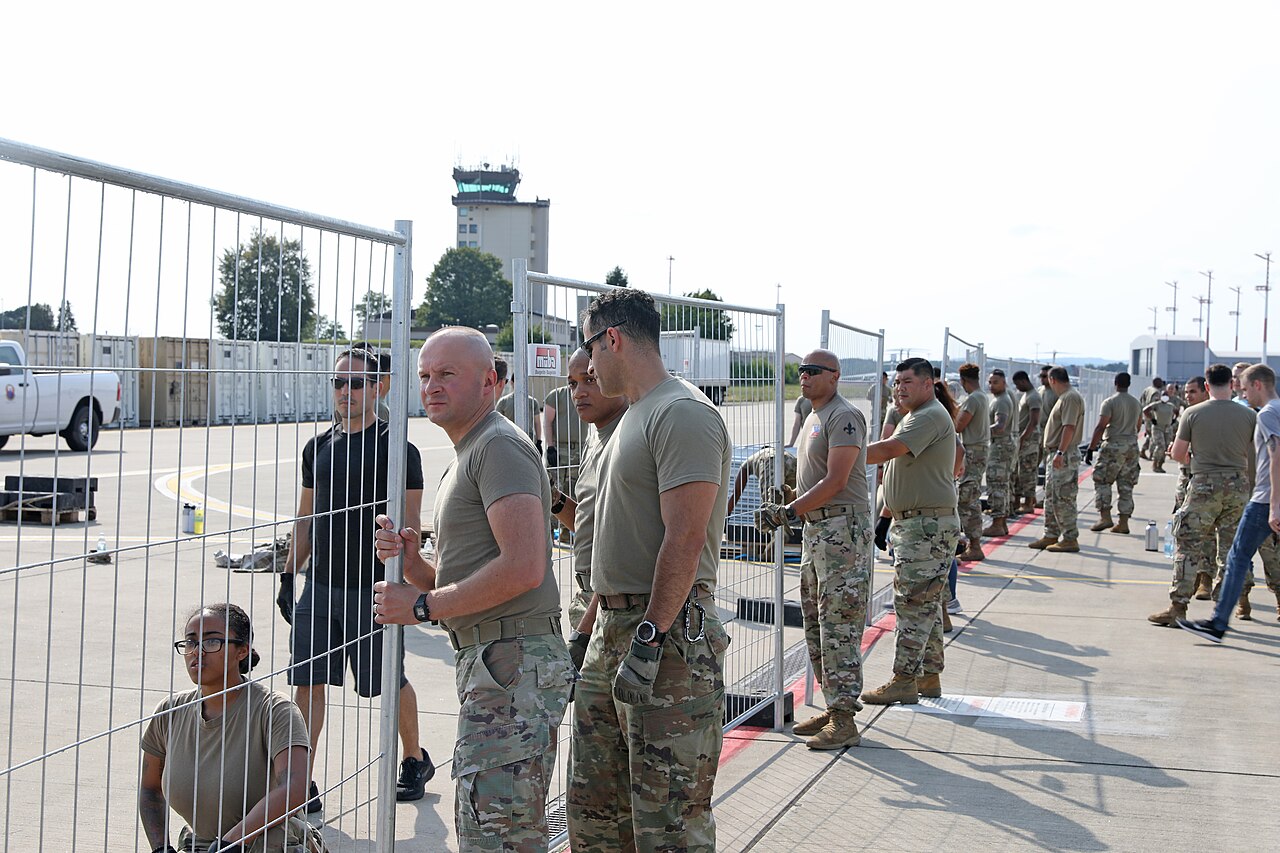
U.S. President Donald Trump announced plans to significantly reduce the American military presence in Germany, going well beyond the previously proposed withdrawal of 5,000 troops. Speaking briefly to reporters before boarding Air Force One, Trump stated that the U.S. would “cut way down” its forces, though he did not provide a clear timeline or specify the final number of troops to remain.
This development comes at a time of rising tensions between the United States and its European allies. Disagreements have intensified over Europe’s perceived lack of support for U.S. military actions related to Iran and efforts to secure the Strait of Hormuz. The proposed troop reduction has raised concerns about the stability of NATO and the broader transatlantic alliance.
The announcement quickly drew criticism from both NATO officials and senior Republican lawmakers. Senate Armed Services Committee Chair Roger Wicker and House Armed Services Chairman Mike Rogers issued a joint statement opposing the move. They emphasized that maintaining a strong U.S. military presence in Europe is critical for deterrence and suggested that repositioning troops closer to Eastern Europe would be more strategic than a full withdrawal.
At the same time, economic tensions are escalating. The U.S. administration recently imposed a 25% tariff on European Union vehicles, a policy expected to significantly impact Germany’s automotive sector, including major manufacturers like Volkswagen and BMW. This adds further strain to U.S.-EU relations, already under pressure from geopolitical disagreements.
German Chancellor Friedrich Merz now faces mounting challenges, balancing national security concerns with economic repercussions from the tariffs. Meanwhile, the Pentagon indicated that the initial troop withdrawal could take between six to twelve months, although legal barriers may delay or prevent the plan.
A similar attempt to reduce U.S. forces in Germany in 2020 was blocked by Congress, and analysts expect strong resistance again. Polish Prime Minister Donald Tusk has warned that continued divisions could weaken NATO’s unity, raising fears about the alliance’s long-term stability.