


 Trump, Tech Leaders Sign ‘Morally Binding’ AI Safety Accord
  How America courted increasingly destructive wildfires − and what that means for protecting homes today
  Kraken Parent Payward Adds 24/7 Settlement With Singapore Gulf Bank
  Oil Prices Fall as G7 Reserve Release Eases Supply Fears
  Scope Warns US Debt Could Hit 160% of GDP
  Fungi are among the planet’s most important organisms — yet they continue to be overlooked in conservation strategies
  Lake beds are rich environmental records — studying them reveals much about a place’s history
  Flydubai Co-Pilot Tried to Crash Israel-Bound Jet, Netanyahu Says
  How ongoing deforestation is rooted in colonialism and its management practices
  Coinbase, Circle Stocks Slide as Bank Group Sues OCC Over Crypto Charters
  CSL Partners With AWS to Bring AI Into Drug Research
  Parasites are ecological dark matter – and they need protecting
  As the Black Summer megafires neared, people rallied to save wildlife and domestic animals. But it came at a real cost
  Asian Stocks Rise as Fed Rate Hike Bets Fade
  Huawei, Qualcomm Sign Multi-Year AI and 5G Patent Deal
  Ukraine minerals deal: the idea that natural resource extraction can build peace has been around for decades


 Add as a preferred source on Google
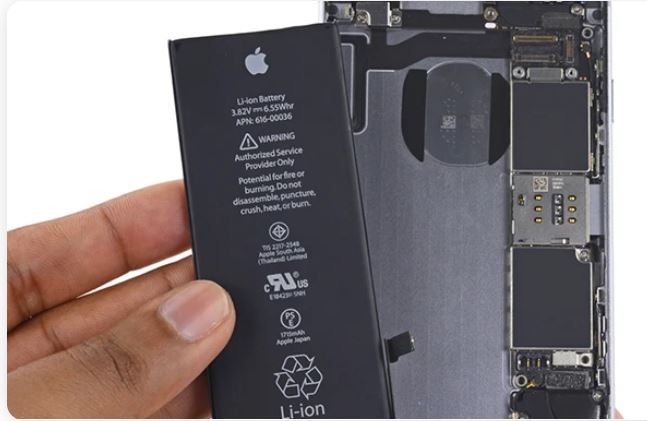
Apple announced it would use 100 percent recycled cobalt 1 in all Apple-designed batteries by 2025.
After significantly expanding the use of 100 percent certified recycled cobalt over the past three years, it’s now possible for the company to include recycled cobalt in all Apple-designed batteries by 2025.
Only a quarter of all cobalt could in Apple products came from recycled material as of 2022, up from 13 percent the previous year.
Additionally, by 2025, magnets in Apple devices will consist entirely of recycled rare earth elements, and all Apple-designed printed circuit boards will use 100 percent recycled tin soldering and 100 percent recycled gold plating.
Apple’s use of 100 percent certified recycled rare earth elements has greatly expanded from 45 percent in 2021 to 73 percent in 2022.
Innovation has also driven progress toward Apple’s 2025 commitment to eliminate plastics from the company’s packaging.
To eliminate the remaining 4 percent of the plastic in its packaging footprint, Apple is innovating to replace labels, lamination, and other small uses.







