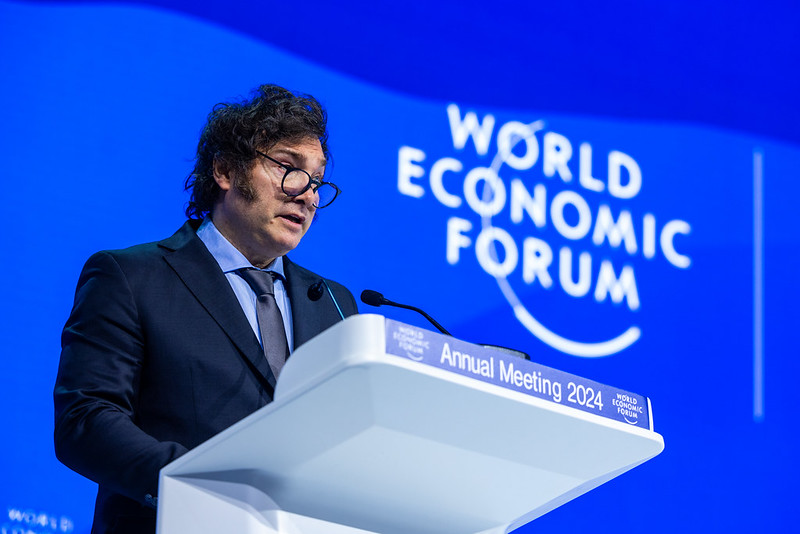
Argentina’s President Javier Milei has presented the government’s proposed 2025 budget, pledging to maintain fiscal balance while increasing investments in healthcare, education, and pensions. In a national address, Milei emphasized that fiscal discipline remains the foundation of his economic policy, describing balance as “the only way forward.”
The proposal, which will be sent to Congress, aims for a fiscal surplus in 2025 or, at minimum, a balanced budget. To enforce this, the plan introduces a “rule of fiscal stability,” requiring adjustments if expenditures exceed projections to ensure balance is preserved.
According to Milei, 85% of the budget will be dedicated to social priorities, reflecting the administration’s focus on human capital. Allocations include a 17% increase for healthcare, 8% for education, and 5% for pensions, all adjusted above inflation levels. Milei underscored that these areas remain at the core of his government’s agenda.
Since taking office, Milei’s administration has managed to sharply reduce Argentina’s previously triple-digit inflation, a central achievement of his economic program. However, his popularity has come under pressure due to austerity measures affecting vulnerable groups, including pensioners and people with disabilities, sparking frequent protests in Buenos Aires.
The political landscape adds further uncertainty. Earlier this month, Buenos Aires province elections delivered a solid win for the opposition Peronists, casting doubt on the ruling party’s ability to expand its presence in Congress. Securing more legislative support is critical for Milei’s libertarian party, which currently governs without a majority and risks having key initiatives blocked or vetoed.
Milei framed the 2025 budget as a test of his government’s priorities and discipline, signaling both fiscal responsibility and targeted investment in Argentina’s social sectors.