Asian currencies traded sideways on Wednesday as markets digested the impact of a partial U.S. government shutdown and looked ahead to the Reserve Bank of India’s monetary policy decision. The U.S. Dollar Index, which tracks the greenback against major peers, remained flat during Asian trading hours, while U.S. Dollar Index Futures were also steady as of 04:08 GMT.
The U.S. federal government officially entered a partial shutdown at 00:00 ET (04:00 GMT) after lawmakers failed to pass a temporary funding bill. The Senate rejected a Republican-backed measure in a 55–45 vote, falling short of the 60 votes needed to overcome a filibuster. With no agreement reached, federal operations began winding down.
President Donald Trump defended the move, calling it a chance to enact “irreversible” policy shifts, including permanent program cuts and potential large-scale layoffs. His remarks unsettled investors, already wary of job market weakness. The shutdown also raised uncertainty about the release of critical U.S. economic data, including the non-farm payrolls report expected later this week.
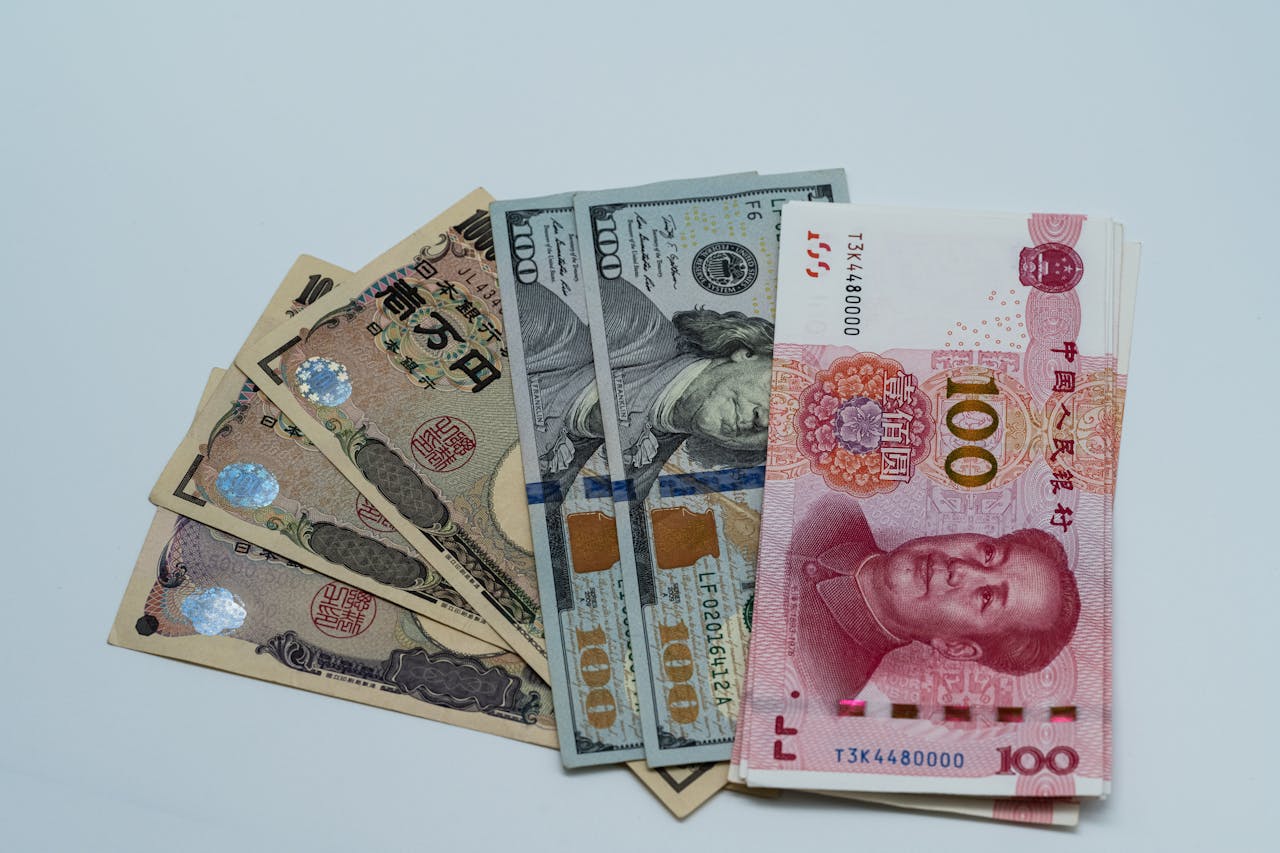
In Asia, currency markets showed limited movement. The Japanese yen held flat against the dollar, while the Singapore dollar gained 0.1%. The South Korean won firmed 0.3%, but the Chinese yuan traded largely unchanged. The Australian dollar fell 0.3%, reversing gains after the Reserve Bank of Australia left rates unchanged at 3.6%.
The Indian rupee hovered near record lows ahead of the RBI’s policy decision. A Reuters poll showed most economists expect rates to remain steady at 5.50% through year-end, though a surprise cut remains possible to support slowing growth. The RBI has intervened heavily in recent weeks to manage volatility, but global uncertainty continues to weigh on the rupee. Analysts warn that a rate cut could increase downside pressure on the currency.