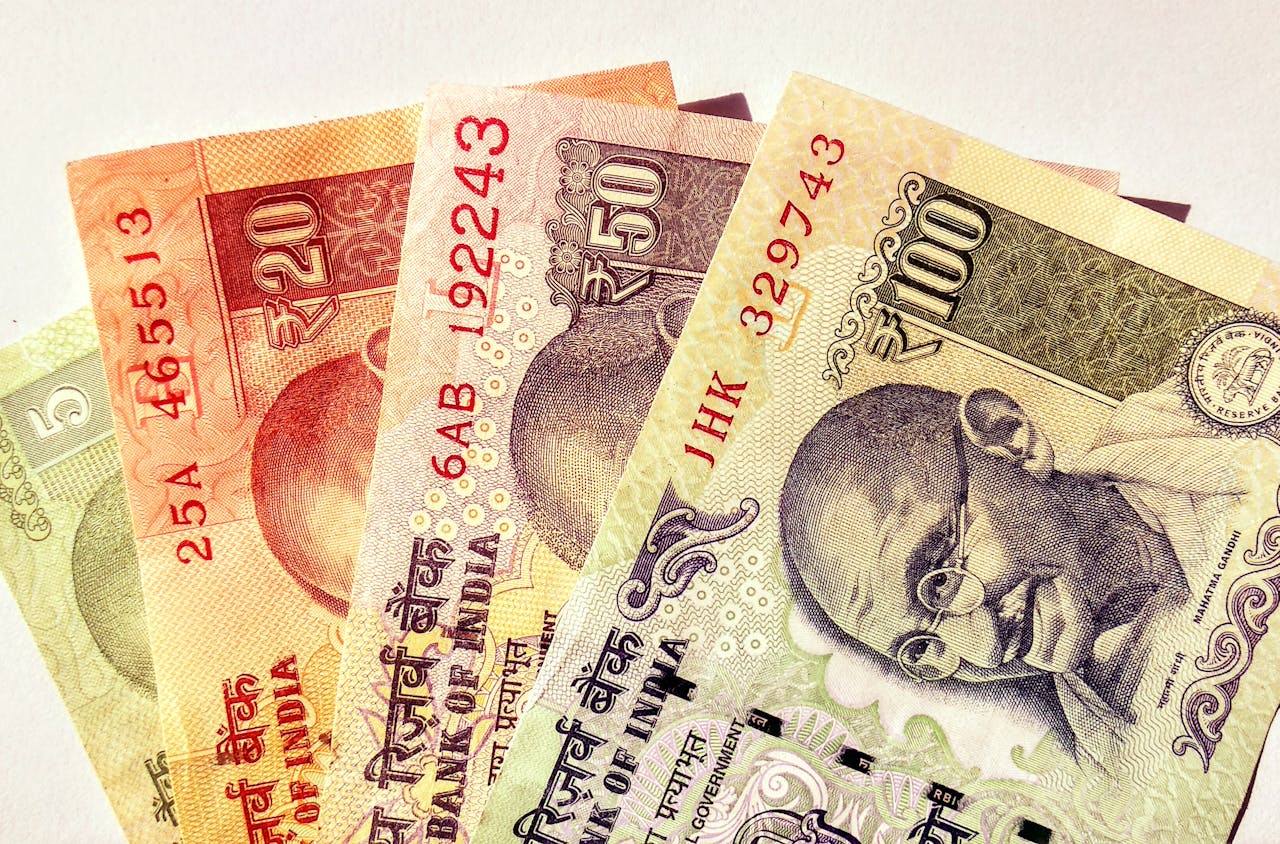
Asian currencies came under broad pressure Friday, with the Indian rupee sliding to a historic low as global markets grappled with escalating energy disruptions tied to the U.S.-Israel conflict with Iran. The selloff reflects deepening anxiety across the region, where most economies depend heavily on oil imports and remain acutely vulnerable to supply shocks.
The U.S. dollar strengthened for a second consecutive week, climbing roughly 0.8%, fueled by safe-haven demand and growing speculation that oil-driven inflation could keep the Federal Reserve on hold well into the year. According to CME FedWatch data, traders are now pricing in no rate cuts until at least September.
The rupee briefly touched a record 92.522 against the dollar before the Reserve Bank of India stepped in with reported intervention. Despite that support, the USD/INR pair was still on track for a 0.5% weekly rise, weighed down by fears over surging crude prices and reports of a domestic gas shortage. India sources approximately 80% of its oil from abroad, making it one of the most exposed economies in the region.
The Japanese yen also took a beating, with the USD/JPY pair climbing to around 159.48, its weakest level since July 2024. Tokyo was reportedly exploring strategic oil reserve releases and alternative crude suppliers to cushion the blow. Elsewhere, the South Korean won edged higher on the week, while the Australian dollar posted modest gains as rate hike expectations for the Reserve Bank of Australia firmed. The Chinese yuan bucked the regional trend, slipping only slightly and outperforming peers as China is considered better insulated from near-term oil supply disruptions.
Investors are now watching January's PCE inflation report, the Federal Reserve's preferred price gauge, for further direction on monetary policy, though the data predates the latest spike in energy prices.