


 Is space worth the cost? Accounting experts say its value can’t be found in spreadsheets
  SpaceX Delays Starship V3 Launch Ahead of Potential Record IPO
  Neuralink Expands Brain Implant Trials with 12 Global Patients
  Senate Sets December 8 Vote on Trump’s NASA Nominee Jared Isaacman
  Cogent Biosciences Soars 120% on Breakthrough Phase 3 Results for Bezuclastinib in GIST Treatment
  Blue Origin’s New Glenn Achieves Breakthrough Success With First NASA Mission
  Blue Origin New Glenn Rocket Explodes During Launch Pad Test, Delaying Space Ambitions
  Trump and Merck KGaA Partner to Slash IVF Drug Costs and Expand Fertility Coverage
  NASA Artemis II: First Crewed Moon Mission Since Apollo Takes Four Astronauts on 10-Day Lunar Journey
  SpaceX’s Starship Completes 11th Test Flight, Paving Way for Moon and Mars Missions
  FDA Pilot Program Eases Rules for Nicotine Pouch Makers
  Trump Administration Releases New UFO Files and Apollo Mission Records
  Trump Administration to Launch Autism Initiatives Targeting Acetaminophen Use and New Treatment Options


 Add as a preferred source on Google
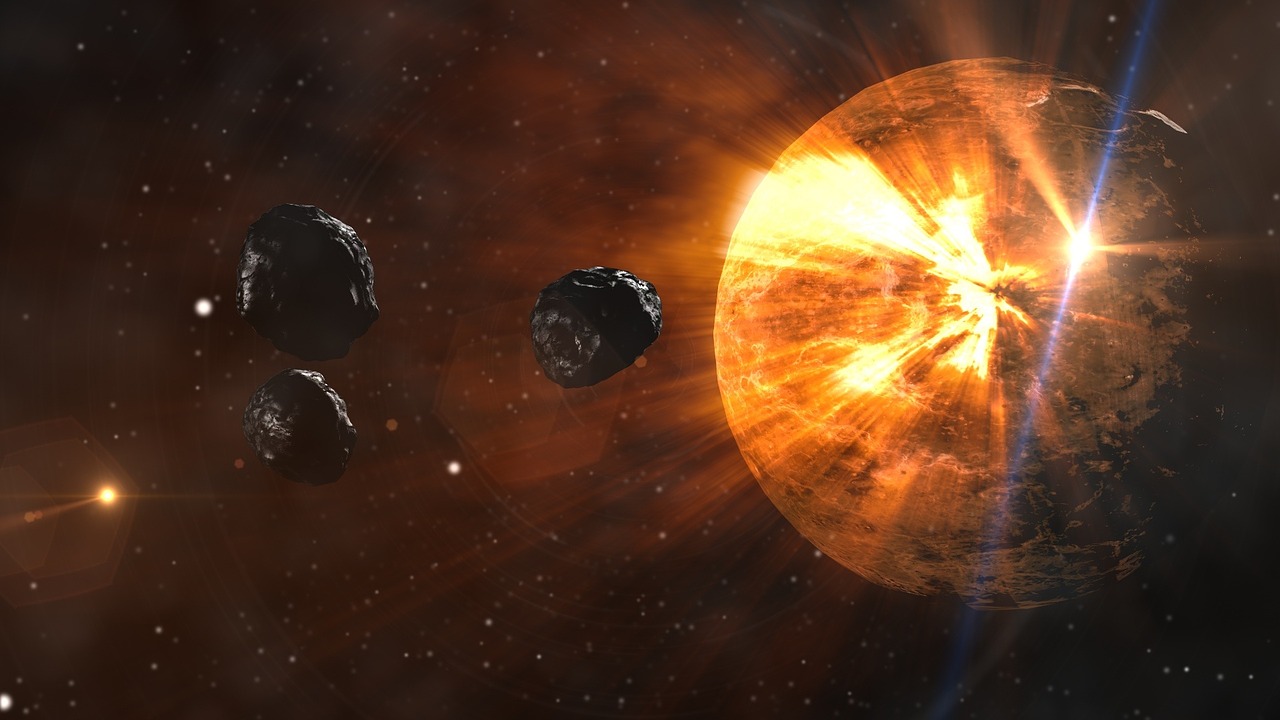
Although asteroids, in general, are objects to look out for in the skies in case of a collision, it is the larger ones that are a cause of concern. A new report suggests that a group of NASA scientists has discovered one particularly large asteroid that would be coming by 2029.
Express reports that a group of researchers from NASA has discovered one particularly large asteroid through their asteroid trackers. The space rock in question referred to as 99942 Apophis, was seen traveling Earthbound at a speed of 67,000 miles per hour. The researchers predict that Apophis would be coming in close to Earth by the 13th of April, 2029, which would be nine years from now. Other reports have regarded this asteroid as a “planet killer” because of how close it can get.
On the bright side, the researchers who have discovered this have said that Apophis most likely only pass by the planet. This is because the trajectory of the space rock may still change during its travel along with the gravitational pulls and debris found in space from other surrounding planets and moons.
Although the chances of an asteroid colliding with Earth any time soon or ever are very slim, it is never impossible as it may still happen. The scientists are already coming up with strategies on how to deflect these space rocks, especially rocks as large as Apophis, which involves the keyhole passage - an area in the Earth’s gravity field that could change the asteroid’s trajectory and make it even more likely to hit the planet. Among their suggested methods involved sending a “kinetic impactor” into space to deflect the rock when it comes in for an approach.
Large asteroids such as Apophis are classified as Potentially Hazardous Objects or PHOs as they can cause damage on a global scale if they ever come in for a landing on Earth. These asteroids could cause tremors and tsunamis to occur, or destroy entire cities or maybe even countries, effectively killing thousands or hundreds of thousands of people in the process.
The agency’s Asteroid Terrestrial-impact Last Alert System recently warned to prepare for a possible asteroid collision no matter how slim the chances are. Such collision could be compared to that of what caused the extinction of the dinosaurs millions of years ago, due to the asteroid that struck measuring up to 10 miles in diameter.







