


 Neuralink Expands Brain Implant Trials with 12 Global Patients
  Jared Isaacman Confirmed as NASA Administrator, Becomes 15th Leader of U.S. Space Agency
  Blue Origin New Glenn Explosion Could Delay Launch Operations Until 2028
  SpaceX Prioritizes Moon Mission Before Mars as Starship Development Accelerates
  Cogent Biosciences Soars 120% on Breakthrough Phase 3 Results for Bezuclastinib in GIST Treatment
  Trump Administration Releases New UFO Files and Apollo Mission Records
  FDA Pilot Program Eases Rules for Nicotine Pouch Makers
  SpaceX Pivots Toward Moon City as Musk Reframes Long-Term Space Vision
  Blue Origin’s New Glenn Achieves Breakthrough Success With First NASA Mission
  China vs. NASA: The New Moon Race and What's at Stake by 2030
  Trump and Merck KGaA Partner to Slash IVF Drug Costs and Expand Fertility Coverage


 Add as a preferred source on Google
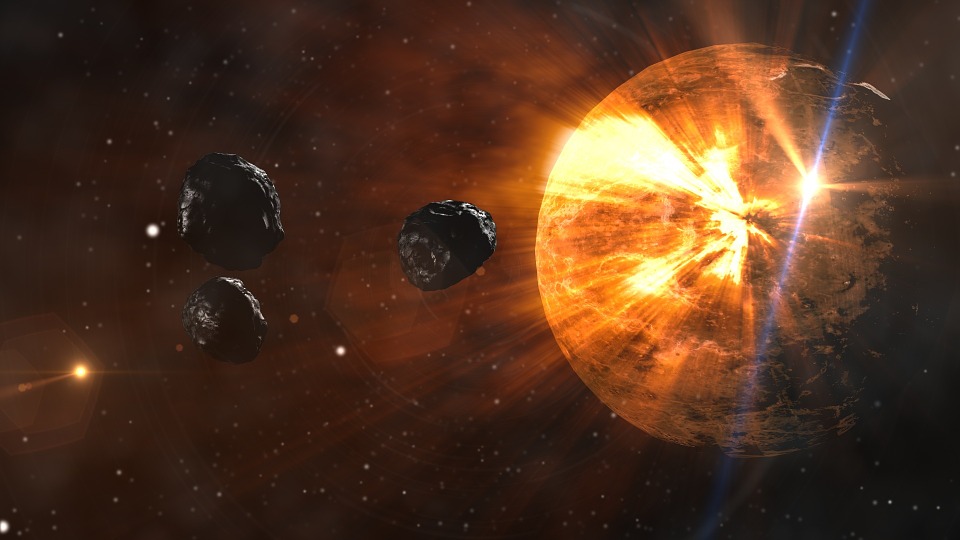
Another asteroid is apparently on its way towards Earth as space agency NASA’s asteroid trackers have caught sight of the rock. A new report reveals how fast the asteroid is going, and whether or not it would actually hit.
Express reports that NASA’s asteroid trackers have spotted a rock that is Earth-bound and traveling at a speed of over 48,400 miles per hour and is predicted to approach the planet on Tuesday, February 18th. Formally known as 2020 DB, by the time this Near-Earth Object or NEO will approach Earth, it will have sped towards the planet at a speed of 21.67 kilometers per second. The agency reveals that the asteroid measures within the range of 39.4 feet to 88.5 feet in diameter, making it a relatively smaller asteroid.
Because of its size, should the asteroid really collide with Earth, it would most likely burn up upon contact with the atmosphere. Then again, there are smaller asteroids that have made it past the atmosphere, like the Chelyabinsk incident back in 2013. If it does make it past the atmosphere, then it would only cause damage to the area it falls on. Fortunately, the asteroid will only pass by Earth by the 18th, and will only get as close as 0.00968 astronomical units or 899,912 miles. This is still very far, but close enough to be noticeable. The asteroid is not expected to return to the Earth’s orbit anytime soon as well.
In other related news, asteroid hunter Jason Tate claims that an asteroid collision could send the Earth back into the Middle Ages. He revealed to Express that a larger asteroid, similar to the one that caused the extinction of the dinosaurs, need only hit the planet to send the world centuries back in time. “A one-kilometer sized object could bring us back into the Middle Ages, but Middle Ages with automatic weapons,” said Tate. He also explained that the Earth would ultimately be struck by a space rock even when there is no known threat against the planet.
“If we knew, we’d be very happy people,” said the asteroid enthusiast.







