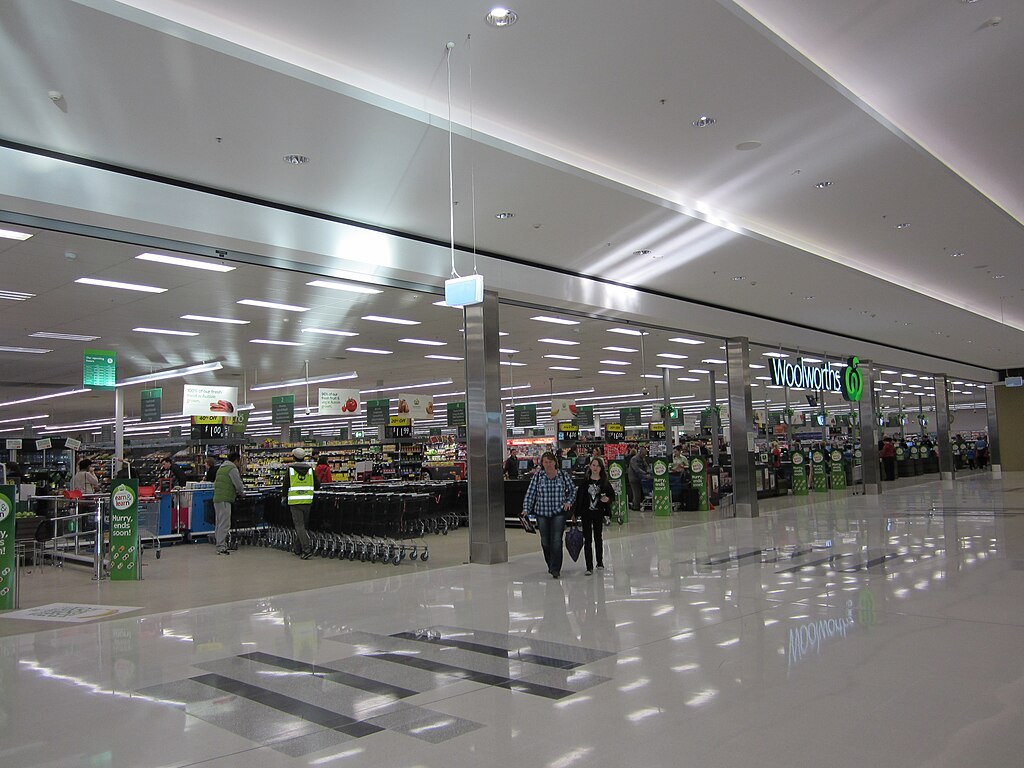
Australia’s top supermarket chains—Woolworths, Coles, and ALDI—have expanded profit margins amid soaring grocery prices, according to a new report by the Australian Competition and Consumer Commission (ACCC). The watchdog revealed that grocery prices have surged 24% over the past five years, outpacing wage growth and disproportionately impacting low-income households.
While rising supply-chain costs drove much of the price increases, the ACCC found that retailers also boosted their margins, meaning some price hikes translated directly into profits. The three dominant grocers currently control around 75% of Australia’s grocery market, creating an entrenched oligopoly.
The ACCC recommended measures to improve competition and transparency in the sector. These include requiring supermarkets to disclose changes in package sizes, streamlining planning laws to allow new competitors, and limiting the negotiation power large retailers hold over suppliers.
Woolworths and Coles welcomed the report but defended their practices. Woolworths CEO Amanda Bardwell expressed support for transparency initiatives that don’t increase costs. Coles argued that rising margins were necessary to offset growing expenses such as energy, rent, and wages, which the ACCC did not fully consider.
Despite the criticism, shares of both Woolworths and Coles rose following the report’s release, with investors relieved by the absence of strict regulatory reforms like price controls. Analysts at Citi called the report “benign,” predicting limited impact on future earnings.
Australian Treasurer Jim Chalmers emphasized the government’s ongoing efforts to enhance supermarket competition and enforce compliance with the industry’s code of conduct.
The ACCC concluded that major retailers hold a deeply entrenched position, and significant changes in market dynamics are unlikely in the near future. The findings raise pressing concerns about fairness, competition, and affordability in Australia’s grocery sector.